Jack Wynn, Author at Facilities Management Forum | Forum Events Ltd - Page 11 of 11
Posts By :

Jack Wynn

Guest Blog, Nick Boughton: Smart technology for sustainable power distribution…

Despite a decreasing supply of fossil fuels, 90 per cent of the energy used around the world is still generated from non-renewable sources. To adapt to the growing demand for continuous energy, companies and governments everywhere are taking advantage of new tools to manage the amount of energy consumed in buildings and industrial facilities – smart technology. Here Nick Boughton, sales manager of systems integrator, Boulting Technology, discusses how smart technology can ensure sustainability and improve energy efficiency

Smart circuit breakers

For an approximate 15 years, high and medium voltage grid applications in the UK have been using smart technology. In this context, the term ‘smart’ refers to technology that uses detailed analytics and adjusts supply to suit peaks or troughs in demand automatically. In recent times, we have also started to see intelligent technology introduced to low-voltage applications.

Every building is equipped with low-voltage circuit breakers that control and protect the distribution of power for systems like lighting, HVAC and IT systems. Traditionally, these have been straightforward on/off dumb switches based on tried and tested technology because they have to remain reliable over long periods of time. However, in the quest for greater energy efficiency and smarter control of low-voltage applications, more intelligent breakers are required in modern office environments.

Virtual power plants

As energy usage becomes even more important, we’re also noticing an influx in the amount of virtual power plants in the world. A virtual power plant is a link-up of smaller, distributed power stations, such as wind farms, hydropower plants and biogas units.

These plants are designed to balance the power grid, while maximising user’s energy efficiency. Virtual power plants have the technology to forecast a user’s power needs and perform real-time optimisation of energy resources in accordance. In addition, because virtual plants generate energy from a range of renewable sources, there is minimal danger of a power outage due to the multitude of back-up sources.

Smart meters

Most people are aware of the popularity of smart electricity meters home environments. However, this technology is now being used increasingly in industrial applications. Deploying a smart meter not only allows users to alter their energy consumption from a smart device, but they can also reduce the need for manual meter readings. It has also been suggested that smart meters provide a more accurate measurement of consumption.

For businesses in particular, even the smallest reduction on their energy bill can make a huge difference. While reducing energy bills is the main driver in the smart meter takeover, its effect on energy efficiency is the main reason it is proving so popular in industrial applications.

The UK government is aiming to deliver 15 per cent of the UK’s energy consumption from renewable sources by 2020; enabling UK businesses to have a sustainable energy source, and not come into trouble further down the line. While alternative energy sources are a big part of the UK’s plan for energy sustainability, smart technologies and better energy management are just as important.

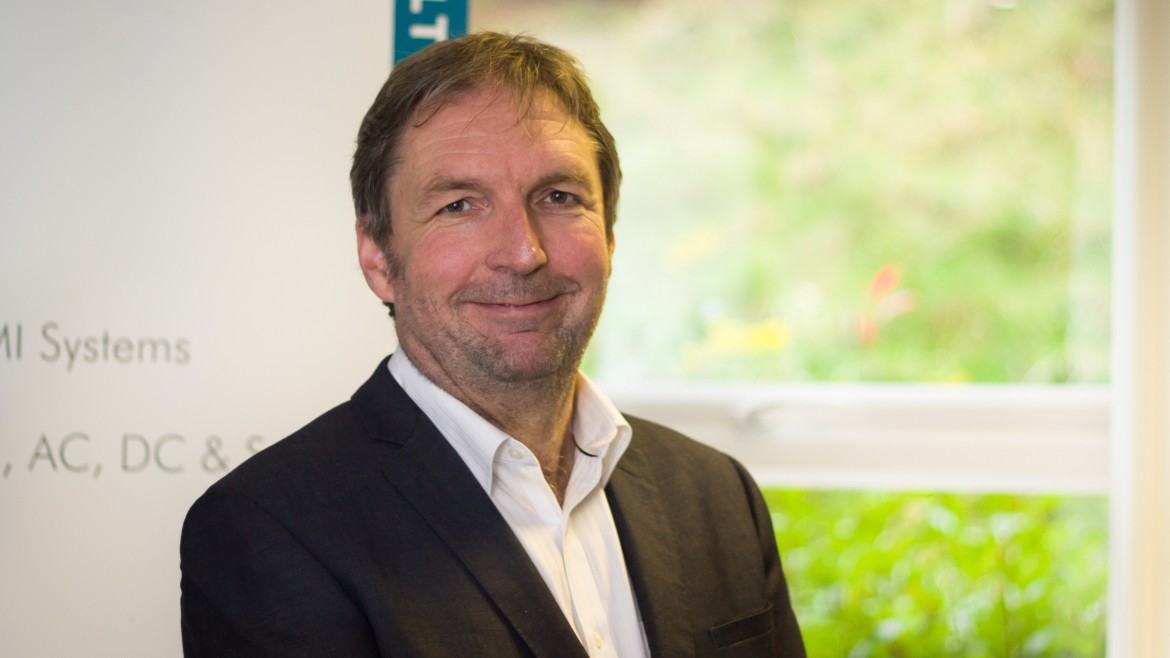
Boulting Technology’s sales manager, Nick Boughton has a BSc. in Computer & Control Systems and has worked in the automation industry for over thirty years. Boughton holds extensive experience in with automation equipment vendors, process OEMs and system integrators.


Industry Spotlight: FM sector remains positive about growth prospects in the Middle East…

A report conducted by the British Institute of Facilities Management (BIFM) – in partnership with FM Expo and i-FM.net – has determined that the sector is continuing to remain ‘optimistic’ about the possibilities of further growth in the Middle East.

The FM Business Confidence Monitor – Middle East’ report surveyed industry professionals based in the region and found that 59 per cent uphold a ‘positive’ or ‘very positive’ outlook; in addition to 57 per cent claiming that they expect the industry’s status in the region to further improve within the next 12 months.

Despite the encouraging results demonstrating superior business potential, a developing issue recurring in this year’s report is the topic of regulation and enforcement, with 21 per cent of respondents citing this as a major concern. Insights from professionals explained throughout the report indicated that advancements in this area could, more than likely, favour larger organisations who are better equipped to respond to the region’s regulatory environment.

Chief executive of the BIFM, James Sutton, said: “It’s encouraging to see the continued optimism regarding the long-term prospects for the FM sector in the Middle East. This of course appears to be tempered slightly by market conditions, but the research appears to show that any anticipated fluctuations will not be strong enough to throw facilities management’s growth in the region off its upward course. Having just launched BIFM’s operations in the UAE, it is positive to see a continuing appetite for training, qualifications and professional development with 70 per cent seeing qualifications as essential for their career development.”

In regards to the use of technology, 87 per cent of respondents agreed that it is a vital tool for growing business and backed its potential of to tackle issues related to the environment and sustainability.

Read more on the results here

Workplace lifts using up to one third more energy than predicted…

Joint research carried out by specialist lift consultants, SVM Associates and the corporate wellness company, StepJockey, has concluded that workplace lifts are using up to 36 per cent more energy than initially foreseen by manufacturers.

The ‘Smarter Buildings: Real-world energy use of lifts/elevators in contemporary office buildings‘ report – which measured the activities of hydraulic, geared and gearless traction systems in three office building scenarios– also found that geared traction lifts were the worst offenders in the analysis; and changing working patterns such as flexi-time arrangements is also to blame for the increase in pressure and energy levels.

CEO of StepJockey, Paul Nuki, said: “Modern businesses demand much more in the way of teamwork and flexible working to succeed. This has had a major impact on office lift system and the result is that many millions of working hours are being wasted each year. By promoting stair use companies can improve productivity, cut their carbon footprint and boost workplace health.”

Download the full report here


UK Home Office awards KBR with support services contract…

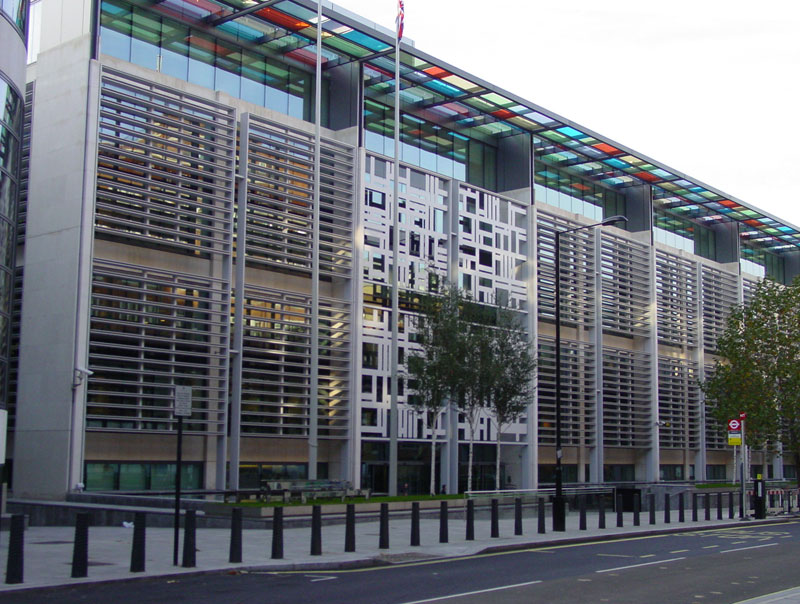
The UK Home Office has awarded the global engineering, procurement and technology company, Kellogg, Brown & Root (KBR) with the first contract under a new government single supplier framework agreement introduced by the Crown Commercial Service (CCS) last September.

The national contract will see the KBR act as a single point of contact by managing services such as a 24/7 helpdesk, a computer aided facilities management system and performance monitoring of the supply chain and management information.

Managing director at KBR, Colin Kenton, said: “The award of this call off contract is a testament to the more simplified process that CCS has put in place. This new style of contracting reduces the procurement burden and enables departments to act more quickly and efficiently, while also benefiting from savings for the taxpayer.”

Additionally, KBR will support the Home Office to manage 400 properties located around the country, which are currently used to deliver immigration, passport, and visa and border control services.

Activity-based working imperative to workplace productivity…

A report showcasing the responses to activity-based working (ABW) has found that workplaces and employees who embrace such an environment are more likely to experience higher levels of productivity compared to their counterparts.

The rise and rise of ABW: Reshaping the physical, virtual and behavioural workspace’ report, conducted by the independent workplace authority group, Leesman – in partnership with IFMA Sweden and Tenant and Partner Sweden, surveyed more than 70,000 employees in a 12 month period across 598 workplaces and found that 66 per cent of employees claim to be able to work more productively due to the state of their workspaces – compared to the 43 per cent that admit to being attached to their workstations.

CEO of Leesman, Tim Oldman, commented: “Giving employees the freedom to move around in the spaces provided could significantly increase their engagement levels and performance. However, productivity levels will remain stagnant if employees aren’t encouraged to break the ingrained habit of only ever working in one place. Organisations should not underestimate the pivotal importance of behavioural change in delivering a successful outcome.”

Read the full report here