Jack Wynn, Author at Facilities Management Forum | Forum Events Ltd - Page 4 of 11
Posts By :

Jack Wynn

Level 6 degree apprenticeship consultation launched by the BIFM…

Working alongside a ‘Trailblazer’ group as well as higher education institutes and employers, the British Institute of Facilities Management (BIFM) is creating a new degree apprenticeship programme specifically aimed at senior facilities managers to equip individuals for a successful sector career.

A draft degree apprenticeship standard has been developed by the ‘Trailblazer’ group which details all requirements of someone working at a senior management level in FM. Furthermore, the standard is open for wider consultation to all employers and organisations not involved in the development process. The group is keen to ensure that the standard has the widest possible support and applicability across the sector(s), and represents good value for money for all potential end-users whatever the size of their company.

Fraser Talbot, Professional Standards and Education Manager at BIFM, commented: “Apprenticeships provide great benefits to both individuals and employers.  For individuals it can provide the knowledge and skills to launch their career within their chosen sector. 

“For employers it can provide them with a skilled, motivated and loyal workforce to meet their business objectives. That is why it is crucial that the trailblazer groups consult with employers and organisations in the wider industry to gather feedback on this proposed degree apprenticeship standard. This will ensure that the FM’s of the future have the knowledge, skills and behaviours required by industry.”

It comes after the government rolled out its ‘English Apprenticeships: Our 2020 Vision’ strategy in a bid to reach three million starts by the year 2020.


To complete the online consultation, click here
IOSH’s ‘No Time to Lose’ campaign “of tremendous value”…

The Institution of Occupational Safety and Health’s (IOSH) ‘No Time to Lose’ campaign has been declared as a ‘good practice solution’ to combatting occupational cancer on the ‘Roadmap on Carcinogens’ initiative.

Developed as a voluntary action scheme aiming to deliver good practice between businesses across the continent to decrease exposure to ‘cancer-causing substances’ in the workplace, the Roadmap was created by six European  organisations: BusinessEurope;  the Austrian Federal Ministry of Labour, Social Affairs and Consumer Protection;  the European Commission; the European Agency for Safety and Health at Work; the European Trade Union Confederation; and the Netherlands Ministry of Social Affairs and Employment.

All parties involved have signed a covenant to keep the prevention of work-related cancer a priority until the year 2019.

Focal Point manager of the Netherlands, TNO, Jos de Lange commented: “IOSH’s No Time to Lose campaign is of tremendous value to the Roadmap on Carcinogens – it offers various solutions that are both well-founded and practical to apply in everyday workplaces, including an international action plan, free materials to raise awareness about occupational cancer, and the option for workers and employers to consult an expert. With this campaign, there is no excuse not to become active.” 

According to research, it is predicted that more than 100,000 European workers die every year as a result of exposure to carcinogens at work.


To find out more about the Roadmap on Carcinogens, click here

You can also find out more about the ‘No Time to Lose’ campaign by clicking here

FM must digitalise to increase productivity, says JLL…

A recent report from the professional services and investment management company, JLL predicts that companies will continue to implement and embrace a digital facilities management approach; with new technologies changing how businesses handle workforce and facility operations becoming more available.

As workplaces progress to deliver additional flexibility, the ‘Reinventing Facilities Management for the Digital World report warns the FM sector must become a ‘digital business’ to meet rising expectations and demands – focusing on employees as ‘end-users of space’ and distributing an experience that is consistent to increase productivity and attract and retain the best talent.
To find out more and access the full report, click here

Guest Blog, Sarah Bentley: Skills – our opportunity for recognition?

It’s been a busy year politically; what with the referendum and Brexit, changes in party leadership, and the continuous questions about when we trigger Article 50. All this leading to endless speculation about what will or will not happen to UK PLC – how will it affect business, trade, commerce and the supply and movement of labour? Lots of unknowns.

Amidst all of these unknowns, the government has stood firm, however, with its continued commitment to introduce the apprenticeship levy in April 2017. It hasn’t made much noise about it – well, there’s been so much else going on. Even with a new skills minister and a shift in responsibility for apprenticeships from the Department of Business, Innovation & Skills (BIS) to the Department for Education (DfE) – it’s still going ahead. Announced in the summer of 2015, and despite words of warning from employer sector bodies and the CBI that it’s too soon and will wipe out the profits for some businesses, it’s still happening. May and her cabinet are sticking with their plans. April it is then.

During my 20 plus years working in the world of skills and workforce development, I’ve seen governments taking very different approaches to skilling the workforce with varying levels of carrot and stick; with initiatives that simply threw money at the problem, to co-investment and the more recent ‘employer ownership’ philosophy which basically means that businesses are expected to pay; not the public purse. The carrot has gone. It’s basically all stick now.

So how does this affect the facilities management (FM) sector? Well, given that FM service providers are by far some of the largest employers in the UK, there’s no doubt that the apprenticeship levy is going to have an impact; and at 0.5 per cent of their annual salary bill taken at source by HMRC it won’t be an insignificant amount either. Ouch!

I’ve spoken to lots of L&D managers recently and it’s fair to say that views range from “well it’s just a tax, the money’s gone” to “we’re just outsourcing all our levy spend to one provider” and those looking more under pressure have been told to “manage it all internally”. There’s also a general resignation to the fact that it’s just something else to deal with. I’m sure not the optimistic response government might have envisaged when it made the policy announcement.

As my time leading the Building Futures Group – which was the trade association for the FM sector – we fought hard to address its key challenges. FM has an image problem; it isn’t recognised by government as a key sector; young people are not attracted to FM; margins are too low for the service providers to really invest in skills.

Yet the reality is also that those that do work in the sector are passionate about it, there are great roles to be had, opportunities to progress and work in some amazing places. Most people fall into it by accident, but they seem to stay and are by far its biggest advocates.

So with an introduction of a compulsory levy, maybe we have an opportunity for FM businesses to take a step back; review their approach to recruitment and workforce development and address those issues that have held the sector back for far too long. Other sectors that have suffered from similar problems have taken huge strides to address them by taking a new approach to skills, progression and recruitment – take the logistics sector for example, and maybe we can learn from this.

Sure, the levy is only one component of a broader talent and workforce development piece, but if it’s the lever that triggers a change then I support it. Let’s start to look at how apprentices can truly be seen as an equivalent to our graduates; let’s understand what it takes to support our apprentices in their role so they become the FM advocates of the future; promoting the sector, encouraging others to join.

FM companies do already invest a great deal in skills; let’s use the levy creatively, to ensure the sector is getting the skilled workforce it needs. Employers remember, you are in the driving seat now. Its your money. It can only be accessed by providers when you’ve agreed a price and quality of provision that you’re happy with.

Together we can grasp this chance, engage and work it to your advantage. Let’s see the perception of FM change and let’s see our people and businesses thrive by doing so.


Sarah Bentley is joint founder and director of Spaghetti Junction, and an independent training advisor.

T: 07933 412311

E: sarah@spaghettijunction.org


Sarah is a business support, enterprise and skills policy professional. Specialising in the facilities management sector, Sarah is passionate about helping businesses and their employees get the best from each-other through access to, implementation and utilisation of skills in the workplace. Sarah is co-founder of Spaghetti Junction and FMCentral and owner of Upkeep Training.

Industry Spotlight – Adler & Allan: Riding out environmental forces…

The winter can be a particularly costly time for businesses, with risks such as flooding, snowfall and freezing temperatures potentially causing equipment breakdowns and closures. Henry Simpson, commercial director for leading FM support provider and disaster response experts, Adler & Allan, explains how to mitigate seasonal risks and deal with issues effectively, safely and with minimal impact on business operations.

Flooding has hit the headlines in recent years with excessive rainfall, bursting river banks and extreme high tides a regular component to a modern British winter. Causing devastation to countless homes and businesses, it is a risk that is unfortunately here to stay; one that many more businesses have to deal with and should be prepared for…

Apart from flooding, winter can mean frozen pipes and equipment failures, with the knock-on effect of all of these problems resulting in issues such as power outages and subsequent downtime. The best line of defence is planning; to save machinery and keep staff safe.

Know your risk

The first step in mitigating risk is understanding what could possibly go wrong. When it comes to flooding, just because you haven’t been flooded yet, it doesn’t mean this won’t happen in the future. A Flood Risk Assessment (FRA) will help identify potential problems, which can then be dealt with before they become an issue. In general, risk assessing a business will help tighten up operations and safeguard employees.

Mitigate risk

Once you know where potential problems lie, you can take steps to minimise their impact or stop them all together. For businesses in high risk flooding areas, this could include installing flood defences, or less permanent steps such as putting together a plan designed to limit damage. Procedures like moving electronic equipment, stock and critical records, will save your business thousands of pounds and keep downtime to a minimum.

As far as safety goes, making sure electrical appliances are disconnected and the gas supply is shut off in the event of excessive rain or snowfall will reduce the risk of fire. Staff must all be briefed on evacuation procedure, with a designated person in charge of disaster planning and response.

In an ideal world, your business should have a ‘plan b’, for example, an alternative location to operate out of. This may be difficult for organisations that rely on heavy machinery, but for office staff at least, there are work spaces to rent or you could let staff work from home.

Essential maintenance

Keeping a building and its equipment in good order is essential to efficient operations regardless of any potential disaster. In the winter, issues caused by freezing can be minimised by keeping pipes and any associated tanks in good working order. This is particularly important for tanks that store fuel, used for back-up power supplies – often the case for data centres. And, regardless of the weather conditions, regular servicing and fuel testing will ensure that if disaster does strike, loss of productivity is avoided.

When it comes to reducing flood risk, maintaining drains is key. Floodwaters are often contaminated with sewage or other hazardous materials, which can cause pollution in addition to general water damage. Closing hand operated valves on piping will prevent backflow through floor drains or plumbing fixture.

If pollution is a risk to your business, then a designated employee in charge of correct spill procedure and any associated clean-up kits must be assigned. This is essential for ISO14001 compliance.

Best practice

As a facilities management provider, demonstrating your ability to keep businesses operational is essential. Organisations that are able to avoid losses most of the time, despite operating in environments where there is a high potential for error, are identified as ‘High Reliability Organisations’ (HROs). As an HRO, business streams may increase, with potential customers more likely to put their trust in a company that has a good asset resilience track record.

Be prepared

Strategy and planning is key to ensuring your business or that of your clients, rides difficult periods; be they due to market or environmental forces. Planned Preventative Maintenance (PPM) and preparing for the worst will help keep downtime to a minimum, stop pollution and safeguard employees.


Words by Henry Simpson, commercial director at Adler & Allan


Henry spent 10 years in the army before joining Adler & Allan in 1998. He has been commercial director since 2000. Adler & Allan was instrumental in the flood clean-ups in recent years and work alongside FM providers to deliver disaster planning and response, fuel services, PPM and asset resilience.

Adler & Allan supplies a range of FM support services; PPM, fuel polishing, flood mitigation and protective coating and linings. For more information, visit: www.adlerandallan.co.uk


Attending the Facilities Management Forum? Here are our top tips for industry networking!

If you’re coming to the next Facilities Management Forum (or if you’ve been to one before) you’ll know just how many opportunities there are to network with your industry peers.

The networking areas are where, as industry suppliers or buyers, you can follow up on conversations you’ve had during the one-to-one meetings that form the core of the two days.

Or, you know, talk about the football.

Either way, business is more often than not about building relationships.

We create networking environments that are informal and free of any pressure – whether that’s during the plentiful coffee breaks, over the delicious lunches and gala dinner, or playing roulette as part of the evening entertainment.

To help you get the most out of these opportunities, we’ve pulled together a few top tips for becoming the consummate networker:

Always be yourself: You’re among friends at the Facilities Management Forum, so there’s no need to feel nervous about walking into a big room of people. Our staff will be on hand to help with introductions and grease those social wheels (do come and say ‘hello’!), plus the evening entertainment lineup means fun and relaxation are the name of the game (did we mention the roulette?).

Have a think about what you want to achieve: Who’s in the room? Is there anyone you met earlier in the day that you’d like to follow up with? Whether you’re a supplier or a buyer, you’ve come to the Facilities Management Forum with some specific goals in mind – the networking periods are a chance to help solidify those new partnerships.

Be curious: The Facilities Management Forum seminars are a great place for developing your industry knowledge and learning new skills. And they always create points of discussion. So why not see what everyone else thought of the talks, or swap some ideas on the latest technological developments and trends in the industry? And if you’re new to the industry, there will be seasoned veterans ready and willing to impart their wisdom!

Don’t forget your business cards! You didn’t think we could get through a whole article about networking without mentioning business cards, did you? It’s an old chestnut, but one worth re-roasting. This author has forgotten his cards more times than he cares to remember – it happens. Always keep a few spread between your wallet/purse, pockets and bag – then you’ll be able to produce one when you most need it. But don’t blanket bomb – just because you have 100 cards to give out, it doesn’t mean you have to!

Always follow up: You’ve given your cards out, but hopefully you’ve picked some up too! So make sure that when you get back to the office you log into LinkedIn or fire off some emails to your new contacts while everything’s still fresh in the mind.

Follow the above tips and you won’t go far wrong. Just don’t spend too long in the bar at the end of Day One – you’ll need to be bright as a button for all the networking we have lined up on Day Two!


For more information on the Facilities Management Forum, call Luke Webster on
01992 374074 or email
l.webster@forumevents.co.uk

Or visit www.facilitiesmanagementforum.co.uk

Research places older workers at the forefront of OSH policies…

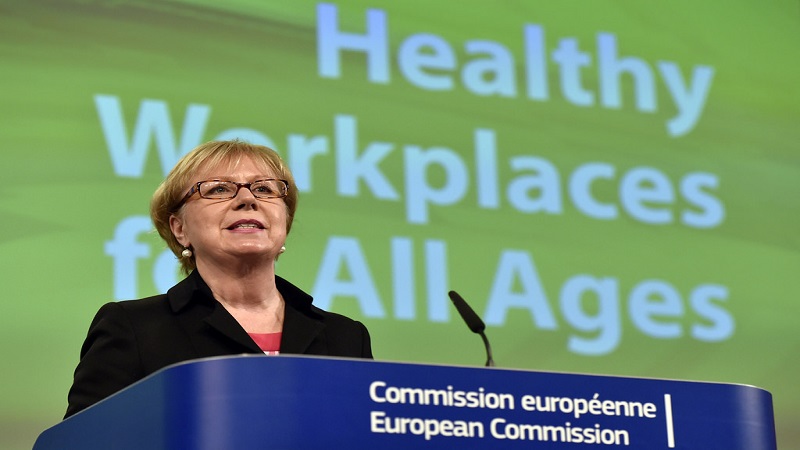
A pilot project hosted by the European Agency for Safety and Health at Work (EU-OSHA) has presented some key findings as a result of a series of reports conducted on occupational safety and health (OSH) in the context of an ageing EU workforce.

One report ‘The ageing workforce: implications for occupational safety and health’ demonstrates the physical and psychological implications of work and age-related challenges; pinpointing the need for OSH policies to pay particular attention to chemical and physical hazards…

Furthermore, although it’s commonly thought that older employees can struggle to keep up with the demands that shift work can bring, the report explains they often exhibit ‘better judgement’ and ‘enhanced knowledge’ compared to their younger counterparts.

An additional report, Analysis report on EU and Member States policies, strategies and programmesdelves further into the major influences on policy development and clarifies some of the key differences between OSH systems in EU countries.

To find out more information, visit the Healthy Workplaces for All campaign website and follow all activity via Facebook, LinkedIn and Twitter using the hashtag #EUhealthyworkplaces. 

Workplace wellness ‘shifting up the boardroom agenda’…

A recent White Paper published by the world’s leading global real estate advisor, CBRE, has revealed the five key trends that are driving wellness in the workplace and pushing it higher up the corporate agenda.

From allowing ‘greater flexibility’ to managing stress levels, theWellness In The Workplace: Unlocking Future Performancereport claims these trends are producing a ‘seismic shift’ in the workplace. By the year 2040, the CBRE predicts the workplace will drastically change; characterised by autonomy and ‘greater choice’ for employees. Furthermore, technological and societal changes will shift the approach individuals and organisations will take regarding wellbeing, health and wellness becoming a priority.


Access the full report here


Great Western Railway awards Servest with three-year contract…

The facilities management company, Servest, will provide a comprehensive range of cleaning services to 150 trains and 102 stations for the Great Western Railway franchise after securing a three-year contract.

Awarded after a ‘competitive tender process’, Servest will implement its expertise in the disciplines required to deliver a bespoke, high-quality solution at train services across the West, from Penzance to Paddington as well as across the South, South West and Wales.

Servest’s chief operating officer, Johan Venter said: “This is a hugely exciting contract for the Group. One of our key business ambitions is to grow our rail portfolio. Being awarded one of the largest and most prestigious contracts in the UK offers the best platform that we can possibly have to move forward. The win demonstrates Servest’s capability in this area and we’re delighted to have been trusted as a partner.”

The contract includes turnaround and in-transit cleans, in addition to cleaning trains overnight ready to go back into service the following day.

Energy efficiency ‘gains ground’ despite lower energy prices…

A new report released by the International Energy Agency (IEA) – which focuses on worldwide government commitments on saving energy and reducing carbon emissions under the recently ratified Paris agreement – has demonstrated the progress made by energy efficiency policies over the last 12 months; particularly in emerging economies such as China.

The IEA’s Energy Efficiency Market Report 2016 found overall energy intensity (the amount of energy used per unit of GDP) improved by 1.8 per cent last year – indicating that the global economy needed less energy to grow. The improvement exceeded the 1.5 per cent gain of 2014, and was triple the average rate seen over the past decade.

IEA’s executive director, Dr. Fatih Birol said: “Energy efficiency is the one energy resource that all countries possess in abundance. I welcome the improvement in global energy efficiency, particularly at a time of lower energy prices. This is a sign that many governments push the energy efficiency policies, and it works.”

The report demonstrates the central role of government policy in driving energy efficiency, and indicates how policies must be strengthened and expanded to boost the potential gains from energy efficiency.


Read the report’s findings here