Stuart O'Brien, Author at Facilities Management Forum | Forum Events Ltd - Page 2 of 87
Posts By :

Stuart O'Brien

Virtual power plants ‘gaining momentum’ for optimal energy management

Virtual power plants (VPPs), functioning as cloud-enabled distributed energy systems, represent a pragmatic approach to innovating the energy landscape. By facilitating the seamless integration of renewable energy with advanced digital technologies, VPPs are increasingly becoming popular as an intelligent solution to the complex issues of energy management and distribution.

That’s according to Kiran Raj, Practice Head of Disruptive Tech at GlobalData, who said: “VPPs are fundamentally changing the way we manage energy. Integrating smart grid technologies with advancements in IoT and cloud computing, they are not just distributing energy, but intelligently aligning supply with demand in real-time. This revolutionizes our approach to managing renewable energy fluctuations, stabilizes the grid, and expands access, setting the stage for a future where sustainable, reliable energy is widely accessible for diverse communities.”

VPPs are redefining energy management and sustainability, as seen in Tesla’s recent Puerto Rico project, which integrates energy storage and solar systems for grid stability and sustainable energy.

GlobalData’s Disruptor Intelligence Center cites significant VPP advancements, including Tesla in South Australia, SunRun in California, and Sonnen Group in Germany, showcasing a global trend in innovative energy solutions.

In 2023, the US backed VPPs with a $3 billion federal loan and state-level integrations for grid modernization, promising enhanced energy efficiency and significant cost savings.

Raj concluded: “VPPs have evolved far beyond a passing trend in the dynamic energy landscape. Their role in meticulously merging renewable energy with the latest digital and smart grid innovations is central to fostering a sustainable energy environment. However, as we navigate this transition, continued innovation, regulatory support, and addressing scalability challenges will be crucial to fully realize the potential of VPPs.”

Photo by Jeroen van de Water on Unsplash

ANTI-INTRUDER MONTH: How modern alarm systems help FM operations

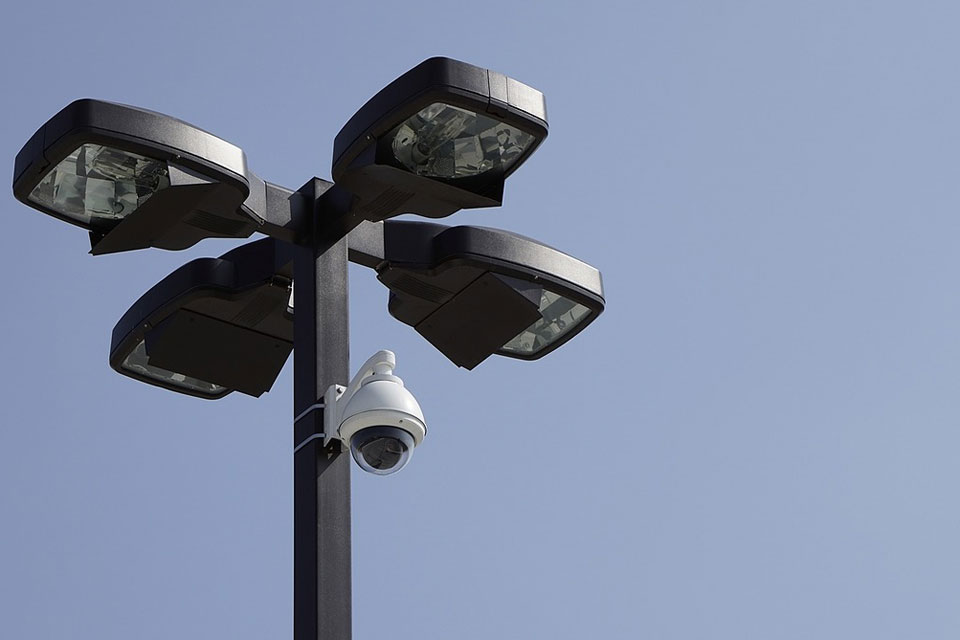
Commercial intruder alarm systems have undergone significant technological advancements, helping to reshape key aspects of facilities management operations. The integration of innovative technologies, heightened security concerns, and a push towards smarter, more integrated building management systems have been key drivers of this change. Here, we explore the recent trends in commercial intruder alarm systems and their influence on facilities management…

One of the most significant trends is the shift towards intelligent, interconnected alarm systems. Modern intruder alarms are no longer standalone systems; they are part of a comprehensive security solution that integrates with other building management systems.

This integration allows for a more holistic approach to security and building management. For instance, an intruder alarm system can now interface with access control and CCTV surveillance systems, providing facilities managers with a unified view of security operations.

The use of wireless technology in intruder alarms represents another major advancement. Wireless systems offer greater flexibility in installation, especially in buildings where wiring is impractical or disruptive. For facilities managers, this means easier system deployment and less downtime for installation or maintenance.

Additionally, wireless systems often allow for easy scalability, making them suitable for a wide range of commercial properties, from small offices to large complexes.

Advancements in sensor technology have also been pivotal. Modern sensors used in intruder alarms are more accurate and less prone to false alarms, a long-standing challenge in alarm management. These sophisticated sensors can differentiate between routine movements and potential security breaches, thereby increasing system reliability. Improved sensor technology also means that facilities managers can customise alarm systems to suit specific site needs, enhancing overall security effectiveness.

The integration of artificial intelligence (AI) and machine learning is revolutionising intruder alarm systems. AI-powered systems can analyse large volumes of data to identify unusual patterns or activities that may indicate a security threat. For facilities managers, this translates to proactive security measures, with the ability to anticipate and respond to incidents before they escalate.

Another key trend is the increasing use of mobile and cloud-based technologies. Facilities managers can now monitor and control alarm systems remotely using smartphones or tablets. This remote accessibility ensures that they can respond promptly to alarms, regardless of their physical location. Cloud-based systems also facilitate data storage and accessibility, making it easier to retrieve and analyse security data for informed decision-making.

Sustainability is also becoming a consideration in the design and operation of intruder alarm systems. Energy-efficient models and systems that minimise environmental impact align with the broader sustainability goals of facilities management.

The more recent trends in commercial intruder alarm systems have significantly influenced facilities management operations in the UK. The move towards more intelligent, integrated, and user-friendly systems has not only enhanced security capabilities but also streamlined the management of commercial properties. As technology continues to advance, it is likely that intruder alarm systems will become even more sophisticated, playing a central role in the comprehensive security and operational strategy of facilities management.

Are you assessing Anti-Intruder and Security solutions for your organisation? The Facilities Management Forum can help!

Photo by Collin on Unsplash

Need Energy Management solutions for 2024? FM Forum Recommended Supplier Directory can help!

Looking for a new Energy Management supplier for your building, venue, school or company? The FM Forum Recommended Supplier Directory is home to dozens of trusted partners ready to help make your project a reality!

Put simply, there’s something to suit every requirement.

Start Your Search Now

Are you an FM supplier? Get listed!

The FM Forum Recommended Supplier Directory is the perfect platform to raise your organisation’s profile and extend your reach.

Promoted via the FM Briefing newsletter, website and our renowned meet-the-buyer facilities events – this digital FM directory offers a comprehensive list of industry solution leaders.

Click Here To Get Listed!

Or, for more information, please contact Paige Aitken on 01992 374079 or p.aitken@forumevents.co.uk


Facilities Management Forum: Are you registered for January’s big event?

You are invited to attend the first Facilities Management Forum of 2024, which will provide you with a rare full working day of industry networking, learning and connection building – Register today!

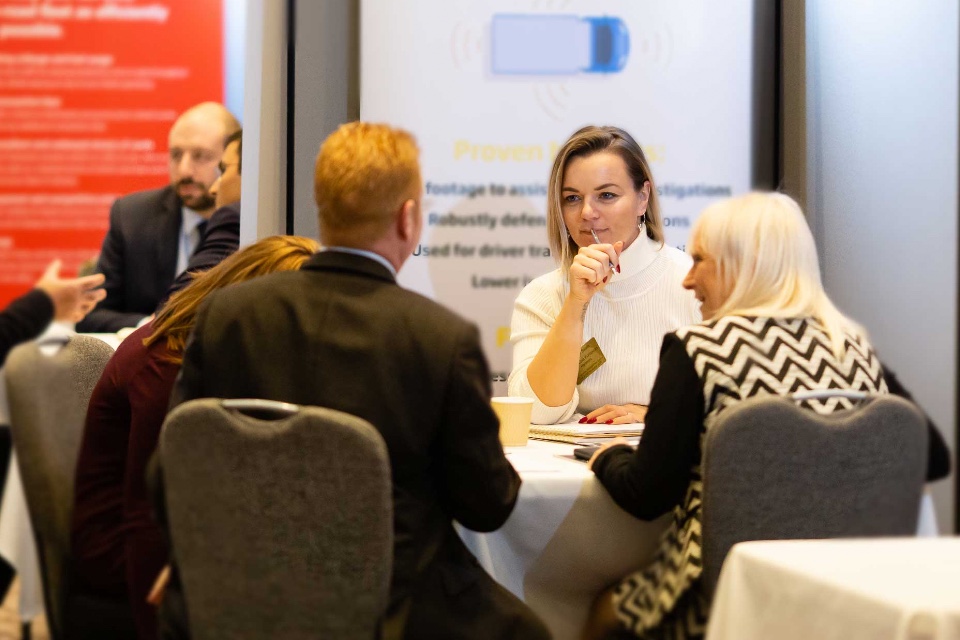
Taking place on 22nd & 23rd of January 2024, at the Radisson Blu Hotel, London Stansted Airport, this unique event will give you the opportunity to meet with new suppliers who can help with your upcoming plans and projects.

And what’s more, your pass will be fully funded by us to attend as our guest, which includes:

Your own personalised itinerary of 1-2-1 meetings with industry leading suppliers.

  • A seat at our insightful seminar sessions, led by industry thought leaders
  • Overnight accommodation at the venue
  • Complimentary meals and refreshments provided throughout the two days
  • Multiple networking opportunities with fellow facilities management professionals
  • Personalised attendance options to suit your schedule
  • An invitation to our evening networking gala dinner with a showcase of entertainment

Click Here To Register

Anti-intruder and alarm systems: A guide to scoping requirements

For Facilities Managers, safeguarding the physical assets and ensuring the safety of the personnel within their premises is a top priority. Commercial anti-intruder and alarm systems are crucial elements in a comprehensive security strategy. Here are top tips for selecting the right systems, based on input from delegates and suppliers at the Facilities Management Forum…

1. Risk Assessment First: Begin with a thorough risk assessment of your facilities. Identify potential security breaches and evaluate the level of risk for different areas. This will help determine the type of alarm system that is needed, whether it’s perimeter detection, motion sensors, or glass break detectors.

2. Integration Capabilities: Look for systems that can be integrated with your existing security measures, such as CCTV, access control systems, and fire safety alarms. Integration not only enhances security but also simplifies management and response to incidents.

3. Accreditation and Compliance: Ensure the systems you consider comply with UK standards such as BS EN 50131 or the equivalent European Standard EN 50131. Check if the providers are accredited by bodies like the Security Systems and Alarms Inspection Board (SSAIB) or the National Security Inspectorate (NSI).

4. User-Friendliness: While you want sophisticated systems, it’s important that they are user-friendly. Complex systems may lead to user errors, which can result in false alarms or security breaches due to improper use.

5. Response Options: Decide if you require a system that is monitored by an external company, which can provide police response, or if an audible-only alarm would suffice. Monitored systems offer an extra layer of security, as there will be a response even if the property is empty.

6. Deterrent Factor: Visible alarm systems can act as a deterrent to potential intruders. Consider systems that make it obvious that security measures are in place, such as bell boxes on the exterior of the building.

7. Maintenance and Support: Opt for systems that come with reliable support and maintenance services. Check the terms of service and ensure that you have access to prompt assistance in case of malfunctions or false alarms.

8. Scalability and Flexibility: The chosen system should be scalable to adapt to the changing needs of your facilities, such as expansions or layout changes. Look for systems that can be easily modified or upgraded.

9. Advanced Features: Consider systems with advanced features such as app integration, which allows you to monitor and control the alarm system remotely. Features like these can add to the effectiveness and convenience of managing facility security.

10. Cost Consideration: While budget is always a consideration, avoid selecting solely on cost. The cheapest option may not provide the best value. Consider the system’s reliability, the cost of ownership, and the potential costs of a security breach.

11. Professional Installation: Use professional installation services to ensure that the system is set up correctly. Poor installation can lead to vulnerabilities in your security strategy.

12. Consultation and Customisation: Work with a supplier who offers a consultation to understand your specific needs and can provide a tailored solution. Off-the-shelf products may not always suit the unique requirements of your facility.

By carefully considering these factors, Facilities Managers can select an anti-intruder and alarm system that effectively protects the organization’s assets and personnel. Remember, the goal is not just to respond to intrusions but to actively deter and prevent them.

Are you researching security systems for your organisation? The Facilities Management Forum can help!

Photo by Stoochi Lam on Unsplash

The software and apps revolution in facilities management

Facilities management has undergone a radical transformation over the past few decades, propelled forward by the rise of software and application technologies. These digital tools have reshaped the landscape, offering enhanced efficiency, precision, and scalability. Here we explore the paramount uses of software in the realm of facilities management, based on input from delegates and suppliers at the FM Forum, Energy Management Summit and Total Security Summit…

  1. Asset Management: Gone are the days when assets were tracked using unwieldy spreadsheets or paper ledgers. Modern asset management software provides a holistic view of all assets, tracking their lifecycle from acquisition to disposal. This helps facilities managers maintain, replace, or upgrade assets in a timely manner, ensuring optimal performance and longevity.
  2. Space Optimization: Space management tools allow managers to design, modify, and visualize spatial layouts. This ensures optimal space allocation, enhancing workforce productivity and efficient usage of facilities. Especially in a post-pandemic world, these tools are invaluable for ensuring social distancing and safe workspace configurations.
  3. Maintenance and Work Order Management: Automated maintenance software assists in scheduling routine maintenance tasks, generating work orders, and ensuring timely repairs. This not only prolongs the life of assets but also reduces downtimes, promoting a smooth operational flow.
  4. Energy Management: With sustainability at the forefront, energy management applications enable facilities managers to monitor and control energy consumption. They offer insights into usage patterns, highlighting areas of inefficiency and recommending avenues for energy conservation, leading to significant cost savings and a reduced carbon footprint.
  5. Security and Access Control: Software solutions in this domain provide integrated systems for surveillance, access control, and alarm management. This ensures that only authorised individuals can access certain areas, enhancing the overall security of the facility.
  6. IoT Integration: The Internet of Things (IoT) is increasingly becoming intertwined with facilities management. IoT devices, when integrated with FM software, offer real-time data collection from various sensors. This can range from occupancy sensors providing insights into room usage to environmental sensors monitoring air quality or temperature.
  7. Vendor and Contract Management: Dealing with multiple vendors and contracts can be a complex task. Dedicated software streamlines this process, keeping track of contract renewal dates, vendor performance metrics, and payment schedules, ensuring transparency and compliance.
  8. Reporting and Analytics: One of the most transformative aspects of FM software is the ability to generate comprehensive reports. These analytical insights aid in decision-making, allowing managers to identify trends, forecast future needs, and make data-driven strategic moves.
  9. Mobile Capabilities: Many facilities management applications are now offering mobile capabilities, allowing managers and staff to access data, receive notifications, and execute tasks on the go. This flexibility is especially beneficial for large facilities or multiple-site operations.

The infusion of software and applications into facilities management has elevated the sector to new heights. These tools not only simplify complex tasks but also introduce a level of precision and foresight previously unattainable. As technology continues to evolve, it’s evident that its symbiotic relationship with facilities management will only grow stronger, driving further innovations and efficiencies.

Do you need FM software solutions for your organisation? The Facilities Management Forum can help!

Image by Pexels from Pixabay

Ofgem Strategic Innovation Fund (SIF) allocates £16 million to 36 ‘ground-breaking’ net zero projects

Energy regulator Ofgem says 36 ‘ground-breaking’ projects have successfully secured a total of £16.09 million of next phase funding, as part of its SIF Round 2 Alpha competition process.

The Round 2 Alpha projects are led by energy network companies working in partnership with innovators and partner organisations. The successful projects will now take their initial ‘Discovery’ feasibility work to the next level, proceeding to ‘Alpha’ where they have up to £500,000 each to develop their concept in depth.

The SIF collaborates with network operators, industry, and academia to identify the most pressing challenges, providing strategic direction and focus to identify and drive the highest-potential projects and bring them to reality. The Round 2 Alpha projects are addressing some of the biggest challenges faced by the energy networks as they make the move to net zero:

  • How do we transition to net zero in a way that is just and fair for all parts of society?
  • How does Great Britain repurpose its energy systems to move safely and efficiently from fossil fuels to renewable energy?
  • As energy systems become more complex, how do we deal with increasing natural risks and other hazards?
  • How do we achieve government and industry targets for decarbonisation of major energy demands at the lowest cost to consumers, including the use of heat pumps in homes, and the move to electric vehicles?

Upon completion of the Alpha phase, projects will compete for third phase ‘Beta’ funding to produce demonstrator prototypes. The projects are aiming to go onto commercial development and could be implemented operationally in energy networks as early as the mid 2020s. They will play an important part in helping Great Britain achieve a safe, clean, low-cost energy future.

Marzia Zafar, Deputy Director of Digitalization & Innovation at Ofgem, said: “Innovative solutions that deliver resilience, reliability and affordability at pace are essential in achieving Great Britain’s target of clean power by 2035. This latest funding round will help innovators develop their ideas further and deliver the transformative technologies needed to drive forward the energy transition at least cost to consumers.”

One of the projects to be awarded funding is LEO-N (Local Energy Oxfordshire – Neighbourhoods) is tackling the challenge of reducing carbon emissions from major sources of energy consumption. Scottish and Southern Electricity Networks have pulled together a team to create a coordinated process to make it easier for homes, businesses, and communities to transition to using clean energy quickly, and on a large scale. Right now, there is no clear plan to help consumers make this shift, and a lack of the necessary infrastructure at the local level to support this transition.

To address this, LEO-N are collaborating with stakeholders to use an innovative approach that focuses on creating tools, business arrangements, and local government structures that will speed up the move to net zero. This involves identifying, installing, and funding a set of options, such as improved building fabric and smart technology, to reduce energy consumption. Without this coordination process the individual changes needed may not be compatible with each other, leading to increased costs and reduced effectiveness.

Another of the funded projects, Hy-Fair, will tackle challenges encountered by consumers, especially those in vulnerable situations, and small businesses requiring extra assistance in their shift towards environmentally sustainable heating solutions and other low carbon technologies.

The project, led by Southern Gas Networks, will establish the Hy-Fair Fairer Warmth Hub as a central environment equipped with specialised tools and customised guidance to empower community champions, individuals, and small businesses.

 The Fairer Warmth Hub’s Innovative features will include a streamlined system for consumers to access financial support, guidance and simplified access to resources, data analytics for precise planning, and community engagement tools. By fostering place-based approaches, Hy-Fair will encourage collaboration and help communities deliver a fair energy transition.

“Our project is more than just addressing challenges; it’s about transforming lives and communities. We’reexcited because, through the Fairer Warmth Hub, we’re not only providing vital support but also establishing an innovative framework that will be replicable nationwide. With streamlined access to resources, financial support, and community engagement tools, we’re paving the way for a fair energy transition that empowers everyone, especially those in vulnerable situations, and small businesses, to embrace sustainable heating solutions and low carbon technologies,”  said Stuart Sherlock, Innovation Governance & Performance Manager, Southern Gas Network

“The climate clock is ticking and the cost of living crisis is pushing people to their limits. SIF is on an urgent mission to support people, planet and business and these projects are a sign of hope in challenging times. Within this round 2 alpha portfolio we have some trail blazing innovators whose ideas have significant potential to save consumers money and reduce CO2 emissions, whilst also helping to turn the UK into the Silicon Valley of energy,” said Matt Hastings, Deputy Director, Ofgem Strategic Innovation Fund, Innovate UK.

The Strategic Innovation Fund is a five-year programme with up to £450m available to promote energynetwork innovation. A new round of the SIF begins each year and runs in parallel with the previous rounds. The competition for the third round of Discovery opened in September 2023.

If Structural FM solutions are on your shopping list the FM Forum Recommended Supplier Directory is here to help!

Structural FM suppliers for your building, venue, school or company can be found in the FM Forum Recommended Supplier Directory, ready to help make your project a reality!

Put simply, there’s something to suit every requirement.

Start Your Search Now

Are you an FM supplier? Get listed!

The FM Forum Recommended Supplier Directory is the perfect platform to raise your organisation’s profile and extend your reach.

Promoted via the FM Briefing newsletter, website and our renowned meet-the-buyer facilities events – this digital FM directory offers a comprehensive list of industry solution leaders.

Click Here To Get Listed!

Or, for more information, please contact Paige Aitken on 01992 374079 or p.aitken@forumevents.co.uk

Here’s what’s in store for you at January’s Facilities Management Forum…

The Facilities Management Forum is fast-approaching and as an energy management professional you’re eligible for a free delegate pass – Register today!

22nd & 23rd January 2024

Radisson Blu Hotel, London Stansted Airport

Your FREE pass includes;

🤝 Your own personalised “corporate speed-dating” itinerary with cost-saving and innovative suppliers

💡 A seat at our insightful seminar sessions, led by industry thought leaders

💤 Overnight accommodation at the venue – Radisson Blu Hotel, London Stansted Airport

☕ Complimentary meals and refreshments throughout the two days

👋 Networking opportunities with fellow facilities management professionals

⌚ Personalised attendance options to suit your schedule

🥂 An invitation to our evening networking dinner with a showcase of entertainment

This two-day, focused event brings together top industry suppliers offering the very best products/services, ready to help you with your upcoming projects. Let us know whether you will be attending here.

REGISTER HERE

Do you specialise in Intruder & Alarm Systems? We want to hear from you!

Each month on FM Briefing we’re shining the spotlight on a different part of the facilities management market – and in November we’ll be focussing on Intruder & Alarm Systems.

It’s all part of our ‘Recommended’ editorial feature, designed to help FM industry buyers find the best products and services available today.

So, if you specialise in Intruder & Alarm Systems and would like to be included as part of this exciting new shop window, we’d love to hear from you – for more info, contact Paige Aitken on p.aitken@forumevents.co.uk.

Here’s our full features list:

Nov – Intruder & Alarm Systems
Dec – Fire & Safety Equipment
Jan 24 – Health & Safety
Feb 24 – Building Maintenance & Refurbishment
March 24 – Cleaning
Apr 24 – Total FM
May 24 – Energy Management
Jun 24 – Physical Security
July 24 – Air Conditioning
Aug 24 – Waste Management
Sep 24 – Asset Management
Oct 24 – FM Software