Stuart O'Brien, Author at Facilities Management Forum | Forum Events Ltd - Page 21 of 87
Posts By :

Stuart O'Brien

5 Minutes With… Dan Lee, Managing Director at phs Compliance

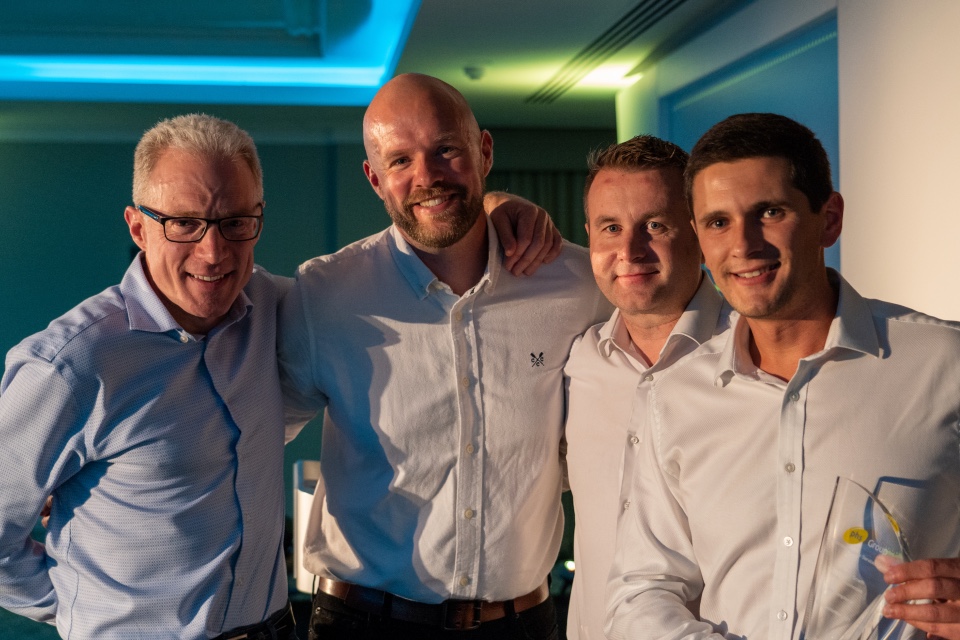
In the latest instalment of our FM industry executive interview series we spoke to Dan Lee (picture above, far right), Managing Director at phs Compliance, about the company, the ongoing effects of the pandemic, increased post-lockdown demand for FM services, automation and why having a wellbeing strategy is important…

Tell us about your company, products and services.

phs Compliance is one of the UK’s leading providers of workplace compliance and building engineering services, offering everything businesses need to stay safe and compliant.

Fully accredited by all leading industry regulatory bodies, phs Compliance has the largest team of specialist statutory testing operators in the industry. It provides statutory electrical services including testing (including PAT tests and fixed electrical testing), inspection services, maintenance, and remedial work. As the UK’s leading provider of electrical testing with nationwide coverage, phs Compliance ensures workplaces of all sizes stay safe and compliant. It is part of the phs Group.

phs Compliance also offers a comprehensive project design, installation, commissioning and maintenance service for fire and security systems.

Accredited to the highest standards, phs Compliance offers significant experience, technical expertise and nationwide capability to support customers’ capital expenditure project needs for fire systems and security systems.

phs Compliance also offers expert project management services, including the design, supply and installation of everything from power and lighting to electric vehicle charging points.

With over 400 engineers across the UK, phs Compliance delivers more than 14 million compliance inspections for 35,000 customer sites nationwide every year.

What have been the biggest challenges the FM industry has faced over the past 12 months?

The uncertainty around the pandemic has been a big challenge. The different lockdowns, lower occupancy rates in buildings and the work from home orders have forced the FM industry to relook at almost every factor in the built environment to find new strategies.

And what have been the biggest opportunities?

We have been able to build even closer relationships with current and new customers as we help them navigate their way through these challenging times. Our business critical services have really supported customers and helped them to meet their regulatory requirements and stay compliant.

What are the main trends you are expecting to see in the market in 2021/22? 

As businesses continue to reopen, we are seeing an increased demand for services that may not have been able to be carried out during lockdowns. This will undoubtedly bring some challenges given the current labour market, but we are confident that with strong account management and clear communication, we can work closely with our customers to ensure full compliance.

What technology is going to have the biggest impact on the market this year?

I would definitely say automation. We are always looking for ways to improve our customers experience and our visibility.

In 2022 we’ll all be talking about…?

The economic outlook.

You go to the bar at the Facilities Management Summit – what’s your tipple of choice?

A pint of lager followed by a bottle of red wine!

What’s the most exciting thing about your job?

I’d say it’s the people I work with every day – those in the field, back office and all of the support teams. The loyalty and dedication I saw during the pandemic was exceptional.

I was also particularly pleased to see our communication and wellbeing strategy recognised as outstanding in a recent engagement survey.

And what’s the most challenging?

It has to be the current labour challenges and the recruitment of skilled electrical engineers to support our exciting growth plans.

What’s the best piece of advice you’ve ever been given?

You have 2 ears and 1 mouth for a reason; use them wisely…

Do you specialise in Intruder & Alarm Systems? We want to hear from you!

Each month on FM Briefing we’re shining the spotlight on a different part of the facilities management market – and in November we’ll be focussing on Intruder & Alarm Systems.

It’s all part of our ‘Recommended’ editorial feature, designed to help FM industry buyers find the best products and services available today.

So, if you specialise in Intruder & Alarm Systems and would like to be included as part of this exciting new shop window, we’d love to hear from you – for more info, contact Paige Aitken on p.aitken@forumevents.co.uk.

Here’s our full features list:

Nov – Intruder & Alarm Systems
Dec – Fire & Safety Equipment
Jan – Health & Safety
Feb – Building Maintenance & Refurbishment
March – Cleaning
Apr – Total FM
May – Energy Management
Jun – Security
July – Air Conditioning
Aug – Waste Management
Sep – Asset Management
Oct – FM Software
Nov – Intruder & Alarm Systems
Dec – Fire & Safety Equipment

Facilities Management Forum: Your key to 2022 success

Delegates places are still available for January’s Facilities Management Forum – book yours today!

The Forum provides a platform for senior FM professionals and their suppliers – for one-to-one business meetings, learning and networking.

Your place is entirely free and includes benefits such as;

– An itinerary of one-to-one meetings with solution providers
– A seat at our industry seminar sessions (included within your itinerary)
– Overnight accommodation, all meals and refreshments throughout
– Networking breaks to make new connections in your field

Join representatives including: CBRE, Dexters Estate Agent, Blue Cross, Dorset & Wiltshire Fire and Rescue Service, Mastercard, Oxford County Council, Heart of Kent Hospice, MOJ, Wartsila UK Ltd and more!

Here is some delegate feedback from this month’s Forum:

“A Fantastic event run professionally by Forum Events who were amazing throughout. It was great to spend time with FM colleagues creating new relationships and understanding what innovation is happening in the FM World. I could not recommend this event enough”
TfWM

“Forum Events provide an opportunity to meet carefully selected supplies in a relaxed environment. I look forward to the next event”
TUI UK Ltd

 
“The event was very well planned and the organising team were very supportive and helpful”
MISSGUIDED


“A very useful forum that matches FM customers to suppliers, in a way that ensures good meetings with the potential of future working relationships being established. Well fun and structured”
Usborne Publishing

Book your place here (booking form takes less than two minutes to complete).

Looking for HVAC solutions? The FM Forum Recommended Supplier Directory can help!

Looking for new Heating & Ventilation solutions for your building, venue, school or company? The FM Forum Recommended Supplier Directory is home to dozens of trusted partners ready to help make your project a reality!

Put simply, there’s something to suit every requirement.

Start Your Search Now

Are you an FM supplier? Get listed!

The FM Forum Recommended Supplier Directory is the perfect platform to raise your organisation’s profile and extend your reach.

Promoted via the FM Briefing newsletter, website and our renowned meet-the-buyer facilities events – this digital FM directory offers a comprehensive list of industry solution leaders.

Click Here To Get Listed!

Or, for more information, please contact Paige Aitken on 01992 374079 or p.aitken@forumevents.co.uk

WEBINAR: Introduction to Hybrid Cloud Video Security

Moving Beyond CCTV for Video Security

Click Here To Register

Organisations are increasingly moving to the cloud to enable secure remote access, support greater video monitoring scale, and improve usability of video surveillance systems away from the need for expensive and unreliable NVR/DVR CCTV solutions.

Hybrid cloud brings the simplicity, security, and scalability of cloud, whilst reducing bandwidth consumption to only 20kbps via storage of footage on an internal solid-state drive on each camera.

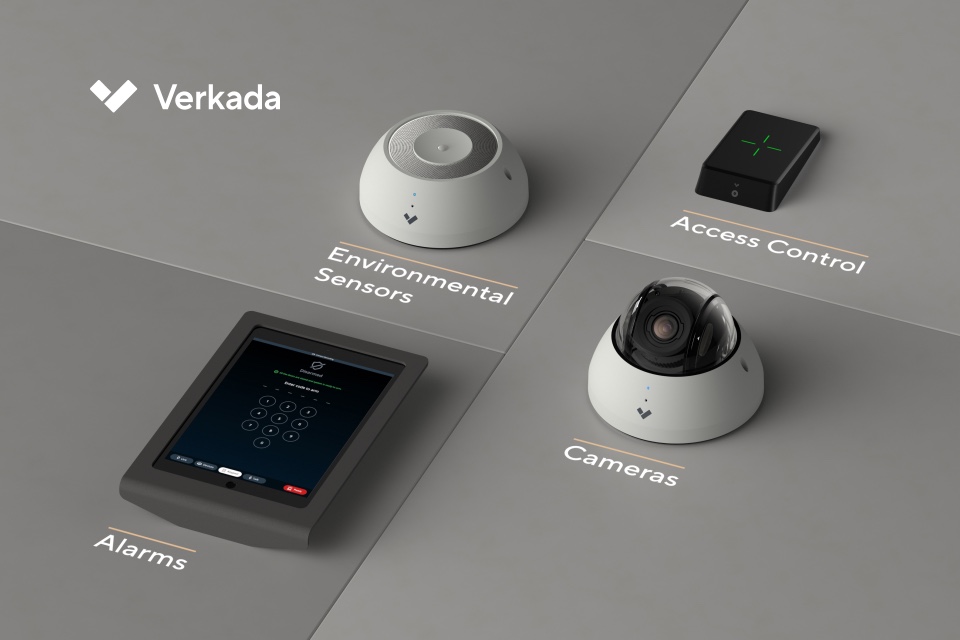
In this regular webinar series, Verkada will share how to quickly deploy smart, hybrid cloud-based video surveillance, with features such as facial and licence plate recognition, crowd notifications, and people traffic heatmaps. We’ll also touch on native integration with access control and environmental sensors, for powerful proactive insights into your facilities, that are simple and scalable for anyone in your organisation.

Click Here To Register

Technology provides a more sustainable future for rodent management

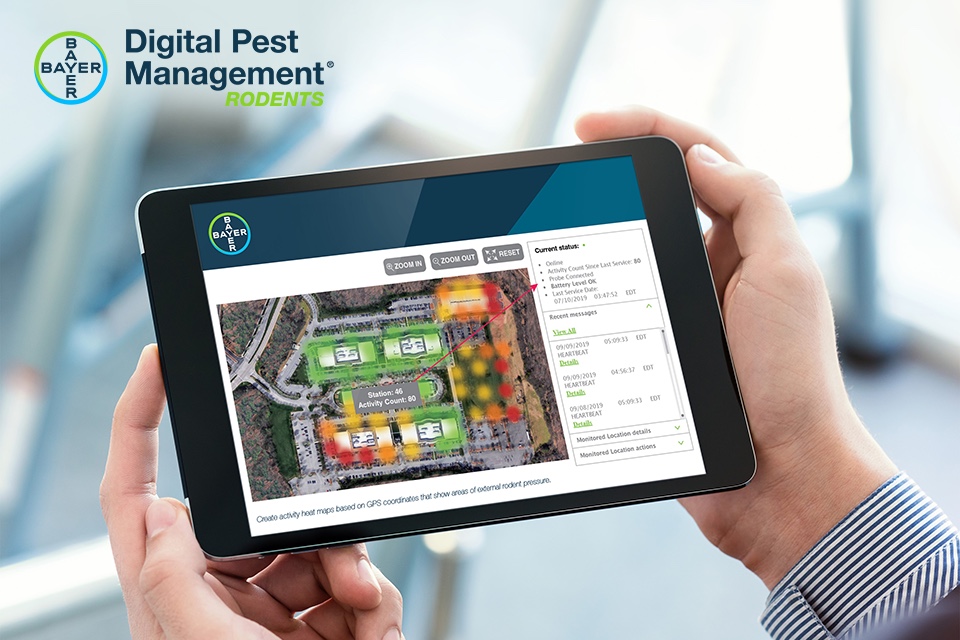
The use of technology is the ‘norm’ for facility managers and is already being used to improve efficiencies and sustainability in many areas of the business. However, pest management has been slow to the party, with limited digital options on the market, but there’s now a solution available.

Gary Nicholas, the Digital Pest Management sales manager at Bayer Environmental Science, says with all aspects of sustainability high on the agenda for businesses, facility managers should be adopting the technology out there to help improve the efficiency, traceability, accountability and transparency of rodent management.

“Facility management businesses use technology such as vehicle recognition on entering sites and digital login systems and pest management, should not be any different,” he says.

This tool can provide facility managers with accountability for rodent management on their site, as it gives them access to all the required resources to be confident in the system they have in place.

“Digital Pest Management provides a full trap activity history, ensuring complete traceability and transparency. It also helps reduce the manual aspect of rodent management and reporting, which can be inaccurate and hard to interpret. Live reporting removes the risk of any mistakes and is always up to date.

“It also allows facility managers to adhere to current stewardship guidelines. It uses smart traps, allowing rodenticides to be integrated into the wider rodent management programme and used in a very controlled, precise and targeted way,” adds Gary.

“When it comes to sustainability, an automated, digital system like this can help improve efficiency and effectiveness, which can reduce the financial investment required for rodent management. The targeted and precise use of rodenticides also helps improve environmental sustainability,” he explains.

“From a social aspect, this system is also much safer for people and wildlife, as there’s a greatly reduced need for rodenticides on site, which are of course toxic.”

Gary says facility managers have been using technology for several years and so now a solution is available for rodent management, it makes sense to use it to help improve the sustainability and efficiency of this across facilities.

For more information, please visit www.environmentalscience.bayer.co.uk/pest-management/digital-pest-management or contact the Pest Solutions Team on pestsolutions@bayer.com

Health & Safety

Find your next Health & Safety supplier in the FM Forum Recommended Supplier Directory

Looking for new Health & Safety solutions for your building, venue, school or company? The FM Forum Recommended Supplier Directory is home to dozens of trusted partners ready to help make your project a reality!

Put simply, there’s something to suit every requirement.

Start Your Search Now

Are you an FM supplier? Get listed!

The FM Forum Recommended Supplier Directory is the perfect platform to raise your organisation’s profile and extend your reach.

Promoted via the FM Briefing newsletter, website and our renowned meet-the-buyer facilities events – this digital FM directory offers a comprehensive list of industry solution leaders.

Your business can now be included in the FM Directory from just £99!

Click Here To Get Listed!

Or, for more information, please contact Paige Aitken on 01992 374079 or p.aitken@forumevents.co.uk

IWFM welcomes government consultation on flexible working

The Institute of Workplace and Facilities Management Government (IWFM) has backed a government consultation on plans to give British workers the right to request flexible working from the first day in a new job, rather than having to wait up to six months under existing legislation.

Currently, an employee can make one flexible working request (for working from home or elsewhere, flexi-time, reduced/compressed hours, job shares, annualised/staggered hours, phased retirement) every 12 months and an employer has three months to consider whether that request can be accommodated.

The consultation is seeking views on how many flexible working requests should be permitted, how quickly employers should respond, whether the business reasons for refusing such requests remains valid, requiring employers to suggest an alternative if the original request is refused, and the administrative burden for businesses.

The Government supports flexible working as a key part of its ambition to ‘build back better’ from the pandemic and, recognising that such arrangements are not appropriate for all individuals or all businesses, is seeking to create a framework which encourages employee/employer conversations leading to genuine two-sided flexibility.

In the consultation document the Government sets out its view that flexible working arrangements not only benefit individual employees, they can also positively impact employers by removing invisible restrictions to jobs and fostering a more diverse and more skilled workforce, improving staff wellbeing, inclusion and motivation, and reducing staff turnover and recruitment costs, leading to increased productivity and improved financial performance.

IWFM’s CEO, Linda Hausmanis, said: “We view the Government’s intent as a positive sign that the right lessons are being learned from the home-working experiment of the past 18 months and will engage with the substance over the coming weeks. Now that many more people recognise that work is an activity, not a destination, it is critical that businesses enable them to do their best work, whenever and wherever it may take place. We will feed into the consultation to put forward flexible working best practice, while also guarding against unintended consequences, such as hindering career progression or creating two-tiered workforces.”

The Making Flexible Working the Default consultation is open until 1 December 2021 and can be viewed here. If you have any comments on flexible working which you would like us to consider as part of our response to the consultation, please email: policy@iwfm.org.uk.

7 in 10 employers expect redundancies as furlough scheme ends

New research reveals that nearly 7 in 10 employers (69%) expect to make redundancies within the next year, the majority of which will take place within the coming months.

According to the study from Renovo, 46% of organisations expect to make redundancies within 6 months, while 23% anticipate redundancies within 6-12 months.

The news comes as the Coronavirus Job Retention Scheme ends, forcing organisations to make decisions regarding the future of furloughed employees. For employers expecting redundancies, 84% have employees on furlough.

However, for employees, concerns over redundancy are not explicitly linked to the end of the furlough scheme. Fifty-six percent of employees surveyed, who are worried about being made redundant within the next year, are not on furlough. The study Life after furlough: Employer and Employee perspectives on the threat of redundancy’, available to download on October 4th, was completed by 253 employers and 200 employees.

Chris Parker, Managing Director, Renovo sid: “Despite positive signs in the UK employment market, there remains a high level of pessimism and uncertainty at both the employer and employee level – the study shows that the perceived threat of redundancy remains incredibly high.

“In particular, at the employer level, there is a high correlation between those with employees currently on furlough and high levels of expected redundancies in the next year. However, employers must be aware that due to events in the last 18 months, perceptions of job security aren’t only an issue for those on furlough right now.”

The study highlights that both employers and employees hold similar perceptions of the causes behind weakened job security. In fact, half of employers (50%) and 46% of employees state that the key cause of future redundancies within their organisation is the financial impact of the pandemic on business performance.

However, other factors have contributed to a lack of job security as well: more than a quarter of employers (28%) state that redundancies are anticipated as some jobs are no longer needed due to new technology. One in eight (12%) also feel that certain roles are no longer necessary because of the move to remote and hybrid working.

Emphasising the current anxieties within the market, the report also reveals that for employees who expect to be made redundant within the next year, 47% think it will take over 3 months to find a new role with 14% believing it will take over six months to do so.

According to Renovo, given these levels of concern, it’s unsurprising that job search and career support is the most sought after form of redundancy support, with over 4 in 10 employees (42%) stating that this would be the most valuable type of assistance from employers. However, the report suggests that employers may not be fully attuned to this demand. Just 28% of employers believe that their people would most value job search and career support post redundancy, with one in four (43%) believing their employees would most value emotional and wellbeing support.

Parker added: “As we emerge from the furlough period, it seems clear that employers will need to work hard to rebuild a sense of job security for their workforces. If redundancies do need to occur, employers must make efforts to understand the real problems their people are experiencing in order to support them to move on appropriately. Increasing communication between employers and staff and improving employee listening are the crucial steps that organisations must take to reassure workforces and properly aid those facing redundancy in the coming months.

“Many employers have made great strides in improving the provision of emotional and wellbeing support as we have all tried to weather the storm of the pandemic. This type of support will continue to be hugely important for those facing redundancy. However, the report sends a message to employers of the importance that their people place on the more practical, focussed careers and job search support that they will need post redundancy. These elements are essential to give them the confidence and tools to move on quickly and effectively.”

Poor connectivity impacting business productivity – Report

Almost two thirds (63%) of US and European enterprises suffer reduced productivity and efficiency at the hands of weak and unreliable connectivity.

This is according to results of new research commissioned by Quortus and carried out by Sapio Research, which probed enterprises on their current pain points related to connectivity. The results highlight the growing awareness, interest in, and appetite for private networks among enterprise IT decision makers.

The study surveyed 260 execs in the US, UK, Germany and France, in companies with between 1,000 and 10,000 employees and revenue of more than $1 million a year, operating in the manufacturing/industrial, retail, healthcare, automotive, defense/security, shipping, logistics and local government sectors.

The survey findings, published in a report entitledBuild, don’t buy: the road to private networks,’ highlight the perceived inadequacies of public fixed and mobile networks:-

·        91% of enterprise respondents believe the limitations of their existing connectivity is squarely tied to the limitations of macro public networks

·        The major limitations of public networks frustrating enterprises include weak security, restricted network speeds and limited available network capacity limiting innovation

·        97% of organizations are ready to invest more money to ensure better connectivity, and almost half (47%) would increase current budgets by 10% if it reduced existing fears and limitations and helped drive operational efficiency

·        A fifth of enterprises do not believe the quality of their existing connectivity will support the achievement of their future digital ambitions

The Quortus study revealed that many global enterprises are taking the safeguarding of high-quality connectivity into their own hands by building and operating private cellular networks:-

·        Almost a quarter (23%) of enterprises surveyed currently operate their own network

·        A third (33%) would prefer to build their own network with the help of specialist partners, rather than buy it directly from a public operator

·        The top perceived enterprise benefits of private networks include greater security, increased performance and tighter network control.

“Enterprises, until recently, have had to rely on public macro networks for broadband connectivity,” said Neil Dunham, VP Sales, Quortus. “Our study reveals significant levels of frustration with the inherent limitations of macro networks. Too often global enterprises are finding that the quality of connectivity they receive is decided by an enterprise’s location, relative to network sites, and the number of users relying on them. As this study shows, strong and reliable connectivity is a significant enabler to greater operational efficiency, enhanced service innovation and better productivity. It is therefore no surprise that enterprises are evaluating their future needs so closely and evaluating alternative means of supply.

“This burgeoning excitement towards private networks is seeing enterprises consider their options when it comes to build, design, and deployment. The key areas of motivation amongst enterprise IT decision makers include a willingness to benefit from specialist vertical knowledge and expertise, not being limited by a public operator’s footprint or service capability and need for bespoke requirements now and in the future. Only private networks can offer a truly bespoke connectivity solution to guarantee appropriate levels of performance, reliability, security and control for all global enterprises.”