Stuart O'Brien, Author at Facilities Management Forum | Forum Events Ltd - Page 49 of 87
Posts By :

Stuart O'Brien

Designing out food waste in hospitality – 4 stages to sustainability

As the UK Government steps up its campaign to reduce food waste, the hospitality sector is firmly in the spotlight. No one can deny the sheer scale of the challenge ahead. The hospitality sector produces over 1 million tonnes of food waste each year, according to WRAP.

Yet while setting targets is essential to driving change, companies first need to establish a benchmark and determine up front the scale of the problem. Where is food waste occurring: is it from spoilage, preparation or plate scrapings? Then more importantly, why is food being wasted: is it a result of over procurement, incorrect food storage or inconsistent portion control?

David Coaton, Corporate Sector Director – Hospitality, SWRnewstar, outlines a proven four stage model for cutting food waste within hospitality – and it starts with segregating, measuring and tracking food waste production.

  1. Understand scale

Targets for reducing food wastage are ambitious – with a goal to halve food waste by 2030. To date the Government has adopted a softly-softly approach. However, plans to encourage large businesses to publish their food waste statistics, plus DEFRA’s proposed mandatory food waste collections for households in England, are a clear indication of commitment. Indeed, the latter approach will further reinforce both the value of food segregation and public awareness of the scale of food waste across the hospitality sector.

Right now there is no specific legislation in place in England and Wales, unlike Scotland where any commercial business producing over 5kg of food per day has to segregate food waste by law. However, this is changing with a new UK Food Waste Champion and the government’s ‘Step Up to the Plate’ campaign. Along with other industry initiatives, including WRAP’s ‘Guardians of Grub’ and ‘Food waste, Bad taste’ from The Sustainable Restaurant Association which are actively encouraging food segregation to provide hospitality companies with an essential understanding of the scale, cost and cause of food waste.

There are so many factors that contribute to food waste, from over-buying stock to poor food storage and management and inadequate portion control – yet when all spoiled food disappears into the general waste bin there is absolutely no way to determine the cause of waste. However committed a company may be to improving sustainability, change cannot be achieved without fully understanding the level of food waste at every step of the process. By segregating and measuring food waste produced during preparation and cooking, plate scrape and stock clear out, a company can begin to see the trends in activity – and take steps to effect change.

2. Stop procuring waste

For any company still not convinced by the environmental drive to reduce food waste there is also a compelling financial argument for better food management – with companies saving £14 for every £1 invested in food reduction according to Champions 12.3 research. These savings are not derived solely from disposal costs, which are typically less than 1% of a company’s turnover, although there are undoubtedly savings to be made from maximising waste segregation. The very significant cost reductions are achieved by leveraging better understanding and smart procurement.

Growing numbers of hospitality companies now acknowledge they routinely procure waste by over specifying raw ingredients. In some cases this is due to suppliers’ minimum order value, which is a real problem for smaller businesses. But often it is because those placing the orders have no, or low, visibility of the level of wastage that occurs in the kitchen and cannot identify obvious problem areas. By segregating food waste at each step of the process, companies can reconsider spend – not only avoiding procuring waste but also looking again at processes for food storage, portion size and less popular menu items.

3. Gain employee commitment

The challenge in realising this sustainability goal is to get staff engaged in the process and that requires two key elements. Firstly, education and top level management focus. If a restaurant manager or chef is not committed to reducing food waste, nothing will change. And for chains with thousands of employees, with multiple different food production points, strong staff commitment is essential.

Staff buy in must be backed up by good processes. In a busy kitchen it is essential to make the segregation of food waste easy – if there is only one dedicated food bin, for example, hard pressed staff will likely resort to the general bin when the pressure is on. Simple steps in kitchen design can make a huge difference. For example, ensuring bins are arranged in pairs – general and food waste – at each food production station will make it easy for staff to automatically segregate food. Make it even simpler by colour coding bins and adding clear, concise labels, so that even when staff move between sections – even outlets – the recycling process is identical. By changing the mindset, a few very simple steps can help companies to design out waste.

4. Celebrate success to embed food waste reduction into the culture

Celebrating success is the key to maintaining employee commitment and embedding progressive food waste reduction into the business culture. The trick is to carefully define ‘success’. There are anecdotal reports that a strict, narrow focus on reducing the weight of food waste bins can lead to kitchen mistakes being hidden in black bags, leading to heavier general waste bins. A culture that acknowledges that accidents happen and lessons can be learnt from transparency is more positive in the long-run. The recent £4500 ‘wine incident’ at Hawksmoor made headlines for the right reasons.

There are also areas of cultural change that can radically reduce both the procurement and production of food waste. There is a strong argument for reducing choice and ditching less popular items as well as reconsidering portion size. Of course, this is a tough move, especially for those catering to a population that expects both choice and large portions. But the tide of public opinion is turning; from Blue Planet onwards, individuals are increasingly aware of the need for a more sustainable approach.  Understanding what food is being wasted and why helps identify menu areas to tackle. For example, garnishes of salad leaves or lemon wedges can be made optional, reducing waste and involving customers in the solution by offering them the choice. The return of ‘doggy bags’ is another potential solution. Better food management provides companies with the chance to embrace this shift in customer expectation and publicise their sustainability commitment and performance.

Recognising the position of hospitality businesses in the middle of the supply chain is useful to broaden the focus to include engaging suppliers and customers. A forward thinking waste management partner will provide recommendations and support to introduce stakeholder initiatives.

Conclusion

The hospitality sector has a significant challenge when it comes to food waste – and that means it is essential to set very bold targets. Ignorance is no longer acceptable. Create a benchmark, determine the scale of the problem and continually measure and track waste production. Ensure staff are engaged. Education is essential but what about incentives? It is important to celebrate success, for example, with league tables highlighting top performers.

Nominating a member of staff as sustainability champion is also a good step. Alongside a focus on food waste, this individual can help to reduce energy consumption by ensuring lights are switched off and minimising single use activity. With so many millennials and Gen Zs highly eco driven, embracing this wider sustainability focus can also help to build stronger staff engagement. 

Finally, don’t treat food waste as a one off campaign. Continual improvement is both essential and achievable. Review food waste metrics routinely and set new targets each year.  This is a long term commitment, and if the UK Government is to meet the UN Sustainable Development Goal to halve global food waste at consumer and retail levels by 2030, legislation is inevitable. Those companies that start to segregate, measure and reduce food waste now will not only be ahead of the game but also gain valuable financial payback, as well as employee and customer support.

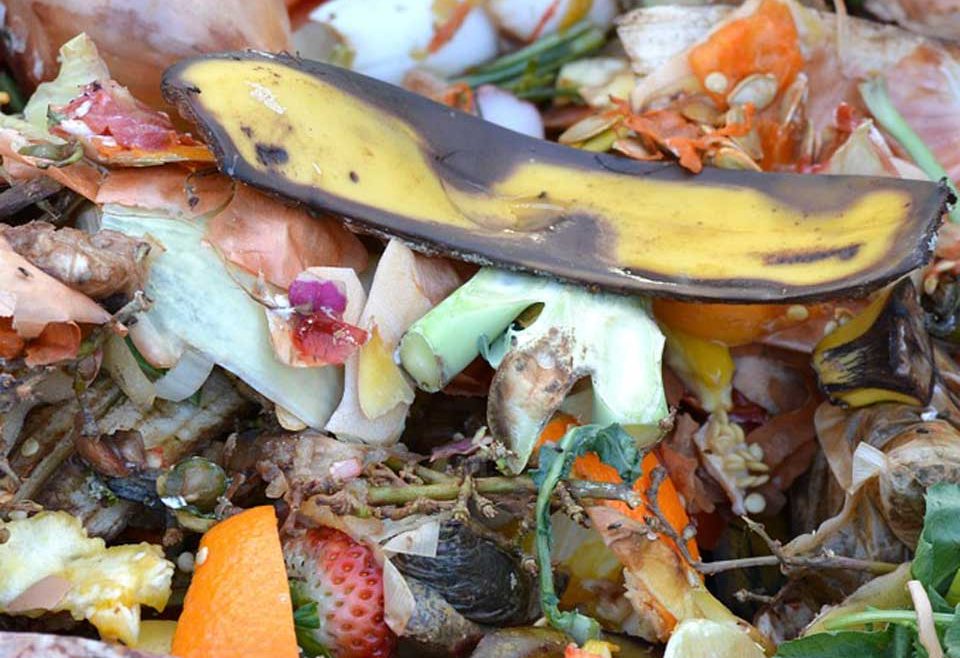
Image by Ben Kerckx from Pixabay

FMs urged to put safety first with wasps this summer

The British Pest Control Association (BPCA) is flagging up safety issues surrounding wasps to facilities managers.

As the summer heat soars and more people embrace the outdoors, the BPCA expects to see a rise in wasp activity.

As a result, the Association is urging FMs across the UK to be pest aware and protect their assets by taking a proactive approach, which puts safety at the heart of their operations.

Natalie Bungay, BPCA’s Technical Officer, said: “Commercial and public sector premises can be affected by a wasp outbreak.

“If service users and visitors experience a high level of wasp activity, then complaints are likely to ensue.

“This alone is damaging, and if a staff member or customer gets a sting, or worse still, receives multiple stings, then the presence of wasps can be seen as detrimental to public health.

“The matter becomes serious if a sting sends someone into anaphylaxis, a severe, potentially life-threatening allergic reaction.

“Even if someone has been stung by a wasp before and not had a severe reaction, it doesn’t mean that they cannot have a bad reaction if stung again.”

BPCA has a range of information to provide further insight and help FMs become more pest aware.

The new ‘Worried About Wasps’ guide, at https://bpca.org.uk/wasps gives an overview of information including biology and behaviour, prevention and control.

The guide is free to read, download and print. A short video guide is also available to view at https://bpca.org.uk/wasps.

Bungay added: “If an organisation is troubled by wasps on their premises, it could point to the fact that a nest is nearby.

“It’s important to note that not every wasps’ nest needs destroying. For example, if it’s well away from a building or in a rarely used part of the garden where disturbance is unlikely, it might be best to leave it alone.

“However, when wasps are causing a nuisance or endangering human health, then steps may need to be taken.

“By appointing a pest management professional, facilities managers can take steps to protect staff, customers and visitors, and minimise disruption to the business.

“They have the technical knowledge and access to a range of professional products which are not available to the public to tackle the issue effectively.

“They’ll have appropriate protective equipment, and professionals can work in an environment that focuses on safety, not just for themselves, but the people and environment around them.”

If FMs need help with wasps, BPCA’s ‘Find a pest controller tool’, available at https://bpca.org.uk/find shows only pest management companies with the correct insurances, fully qualified technicians and who have been audited to the British and European standard in pest management.

When did you last do business face-to-face?

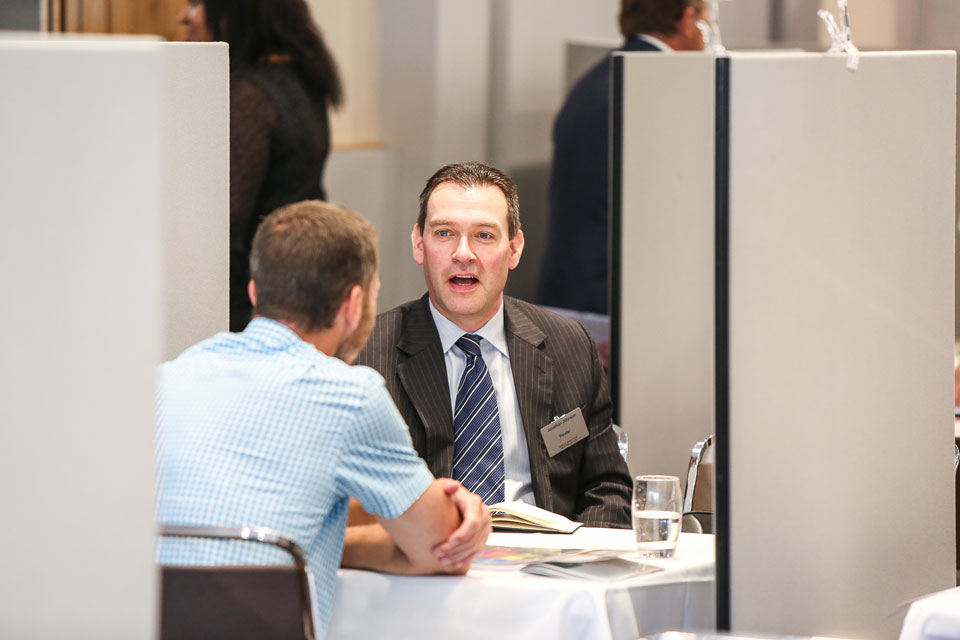
When was the last time you had a face-to-face meeting with an FM industry supplier that met your needs and knew right away how they could help with your upcoming plans and projects? 

You probably get random phone calls from companies you will never meet – but we are different and can offer you an alternative, allowing you to meet the most innovative suppliers.

We believe that at the beginning of a long-term business relationship, you need to get to know the people behind the company.

That’s why we’re offering complimentary invitations for you to attend the Facilities Management Forum on January 27th & 28th 2020 at the Hilton London Canary Wharf.

Your invitation includes: meetings with suppliers relevant to your needs, keynote seminars, unlimited networking with peers, plus complimentary overnight accommodation and all meals and refreshments.

Secure your place here – but hurry, as we only have 60 available!

IWFM Awards 2019: The finalists in full

The finalists for the IWFM Awards 2019 have been revealed, with this year’s ceremony introducing new categories.

The 45 finalists in 12 categories across the themes of Impact, Innovation and People are:

Impact

This category seeks to recognise those making a difference to not only the workplace and facilities management profession but also wider society in the areas of customer experience, the environment, organisational performance and social value.

Impact on the Customer Experience

– FM Helpdesk Transformation, NHS Property Services
– The customer experience partnership, ENGIE and Biffa
– Customer Service Program, Emaar Asset Management
– Savills RISE, Savills UK

Impact on Organisational Performance

– EDGE, Heathrow Airport
– UK Operations Team, Rolls-Royce and Mitie
– Improving employee satisfaction and office design through the introduction of height-adjustable desks, Skyscanner – Edinburgh
– Transforming a national broadcaster in Scotland, Interserve and the BBC
– Impact on Organisational Performance Standard, Chartered Bank, Mace Macro and Leesman

Impact on Society and Social Value

– Sodexo Public Service Pledge, Sodexo
– Eric Wright Group Creating Profit for a Purpose, Eric Wright FM
– Junior Engineering Engagement Programme, ABM UK
– A best practice social value framework for lasting legacies for communities, VINCI Facilities

Impact on the Environment

– Fuel switch: Moving from coal to turmeric and chilli, GSH India and Kaleesuwari
– ISO 50001, An Garda Síochána
– Future proofing FM at Regent Street and St James, Demand Logic with JLL (RSMD) and BNP Paribas Real Estate
– Project Ceres, EY with ISS

Innovation

This category seeks to identify and recognise a stand-out products, services and relationships that help to improve processes, including service delivery, as well as assisting with challenges facing the profession; it invites research into best practice.

Innovation in People Development & Empowerment

– Building Your Leadership Signature Development Programme, Bouygues Energies and Services UK
– Empowering people through ENGAGE, Interserve and E.ON UK
– EDGE, Heathrow Airport
– CARES, Sodexo

Innovation in Products and/or Processes

– Superproof, SafeGroup
– The IMPACT Programme, OCS Group UK
– Property/Workplace Integrator, Sodexo
– Evidencing compliance on-site via the ‘Customer check in check out’ app, VINCI Facilities

Innovation in Supplier Relationships

– Property Team, Direct Line Group
– Together Stronger Partnership, AstraZeneca and Sodexo
– Heathrow Engineering & Asset Management – Supplier Relationships, Heathrow Airport

Innovation in Technology

– My Day – Workplace Experience App, EY and ISS
– Delivering world-class VIP visitor experiences, Gregory Blondeau
– Waterless Urinal Technology, WhiffAway Group
– Enterprise Control System, Sainsbury’s 
– ‘Customer check in check out’ app, VINCI Facilities

People

This category highlights the individuals making a difference to the profession, their teams and organisations, including those new to the profession and the leaders within it.

Manager of the Year

– Fiona Stewart, Student Living by Sodexo
– Gaetano D’Altrui, CNCP soc. coop. Facility Management Rome, Italy
– Eng.Vazeer Husain, Adeeb Group, UAE

Newcomer of the Year

– Aimilia Marnerou, ENGIE
– Maddie Hayes, Mace Macro
– Jonathan Hill, ENGIE

Team of the Year

– Lantei
– Leading the Way: Churchill North East & Yorkshire
– Engineering & Asset Management Facilities Team, Heathrow Airport
– AstraZeneca Macclesfield Campus FM Team
– The Performance and Digital Team, VINCI Facilities
– 1Team, Vodafone and Mitie

IWFM Awards Chair of Judges, Steve Gladwin, said: “This year’s roster of finalists for the IWFM Awards is exceptional.  When market conditions are tough it’s easy to dismiss celebrations as trivial and overlook the chance to stand among peers and recognise all the achievements made by teams and by organisations throughout the year. It’s at occasions like our Awards and the afterglow that follows, that we recognise some of the best work happening right now in our profession. 

“That’s why it’s more important than ever that we come together as a community to celebrate achievements of distinction, so I urge all those involved in our profession’s future to attend.”

The winners will be announced at the Awards ceremony at London’s Grosvenor House Hotel on Monday, 14 October.

Tickets and tables are now available and can be booked at www.iwfmawards.org

You’re invited to the FM Christmas Party 2019 – RSVP today!

The FM Christmas Party is returning for 2019, once again hosted by the Facilities Management Forum and the Facilities Management Journal and taking place on Wednesday, November 27th at BEAT London.

Yes, we know we’re in the middle of heatwave, but we’re already looking ahead to the Christmas party season – and we’d like to invite you to an evening of industry networking and festive cheer!

Taking place at London’s ultra-hip BEAT venue, 200 of the FM industry’s leading buyers and suppliers will gather under one roof for a fun-filled extravaganza.

RSVP today to avoid disappointment: Individual tickets are usually priced at £40+vat per head; including drinks and canapés! Buy them now to get an early bird rate of just £35+vat per ticket!

Click here to book your tickets!

We also have a limited amount of bespoke partner opportunities available for the FM Christmas Party – for more information, contact Paige Aitken on 01992 374 079 or email p.aitken@forumevents.co.uk.

GUEST BLOG: How smart cities impact workplace trends

As cities around the world are set to transform into ‘smart cities’, John Williams, Head of Marketing at Instant Offices, looks into what smart workplace trends are emerging from these innovation hubs…

The National League of Cities (NLC) has analysed how technological advances in smart cities could potentially impact jobs and skills, showing which jobs that are set to grow between now and 2026 are most likely to be automated.

The research found that management and supervisory roles are the most secure, being less than 30% automatable, while low-paying positions involving manual labour are the ones most at risk, being more than 70% automatable.

The World’s Smartest Cities

Singapore:
ABI’s Smart Cities Competitive Assessment report has named Singapore as the world’s leading smart city. The innovative city is pioneering several projects to address high-density urban living and is also home to futuristic driverless taxis and shuttles.

Dubai:
The ultra-modern city of Dubai was ranked second, noted for its adoption of disruptive next-gen technologies. Dubai is leading the way when it comes to crypto technology, with all government transactions set to be processed via blockchain by 2030.

London:
The English capital has been placed third, thanks to its advanced open data policies and thriving start-up ecosystem

Top Smart Office Trends for 2019

As smart cities are shaping the future of work, here are the leading workplace trends for 2019 and beyond:

BYOD (Bring Your Own Device):

Many businesses are now allowing a BYOD policy, which means employees can use their own personal tablets, smartphones, laptops and wearable tech to complete their tasks and send work-related communications.

According to research by Techjury, 67% of employees say they now use personal devices at work, and 87% of businesses rely on their workers’ access to mobile business apps. By allowing workers to take their favourite at-home tech and integrate it into daily work life, they will be able to work remotely in more efficient ways.

Focus on Wellness:

Workplace wellness is a growing trend. Employers are recognising the dangers of overworking, presenteeism, work addiction and burnout. In the US, 70-80% of companies believe that wellness programmes reduce absenteeism and boost productivity,according to a Global Wellness Institute Survey. This shows that more companies are looking to make positive changes toimprove the wellbeing of their employees, and tech is making this easier. 

For example, wearable devices like Fitbit and Jawbone allow employees to monitor their stats, from steps taken to calorie consumption to heart rate. This can empower them to take control of their health and practice better wellness habits daily. Smart offices can also make use of collected data from wearable devices by analysing it to identify potential health risks in their workplace.

Cybersecurity:

As the wireless technology and BYOD trends continue to rise, the need for advanced security tech rises with them. More data is being stored on the cloud, and if that data isn’t secured correctly, companies risk losing or leaking a lot of sensitive information.

A recent US review by SHRM found that nearly half of organisations surveyed (46%) are now using biometric authentication tech to protect data on smartphones. Flexible offices with excellent network security, a choice of shared and private workspaces, and round-the-clock on-premises security offerings are helping companies to operate in a safer and more secure environment.

Sectors Benefiting from Smart Office Space

Smart workplace solutions improve productivity and make it easier for teams to complete their daily tasks, using state-of-the-art tech to make the process smoother.

IT companies, design studios and web development businesses can all benefit from a fully serviced and connected setup. Beyond office life, those working in labs and research facilities can operate safely with excellent security and data protection. Even warehousing and manufacturing are transforming as companies like Amazon and Boeing harness the power of IoT technology.

5 Minutes With… Julian Harrison, Director, myfm

In the latest instalment of our executive interview series, FM Briefing sat down with myfm Director Julian Harrison to talk about the company’s offerings, market opportunities, industry challenges and Line of Duty…

Tell us about your company, products and services.

We are an FM management company that provides our clients with an end-to-end project delivery and support services. We work closely with the industry’s largest service providers. Either placing our associates into management positions within a contract, or by directly delivering solutions and supporting our clients in the delivery of high quality services, Myfm strives to deliver an accountable, totally dependable management resource that provides real value to our clients. 

What have been the biggest challenges the FM industry has faced over the past 12 months?

Our impact on the end-user. The industry has been getting used to moving away from the concept of “facilities management” towards that of “workplace management”. Whereas before FM tended to limit its focus on the “bogs and basins” fundamentals of keeping a building going, it’s now more about how building users feel about their organisation and their environment.

Many people in FM are still talking solely about workplace. The challenge for both end-user clients and service providers is to re-orientate our business to focus more on how our services can impact the success of our host businesses through impact on people, brand and productivity.  

What are the main trends you are expecting to see in the market in 2019?

I’ve noticed a shift amongst service providers from focusing solely on information transparency between ourselves and the client towards how we use information and technology to improve our services. Who’s in meeting rooms and when? What washroom and kitchen facilities are being used etc. 

We recently worked with a client using an occupancy monitoring and resource deployment solution which informed janitors in real time what facilities needed to cleaned, massively improving efficiency and service quality. Any technology that can accurately monitor usage of facilities and disposables will have a significant impact in disrupting the market in coming years.

In 2022 we’ll all be talking about…?

Energy management and sustainability will be even more high-profile areas. Buildings themselves will have to become more flexible to accommodate a “revolving door” of users. Buildings will also make far greater use of IOT “internet of things” to provide integrated facilities services that are far simpler and more effective to manage. 

What’s the most surprising thing you’ve learnt about the FM sector?

I’ve been surprised by how slow FM has been to leverage our effects on the success of the core business. Workplace quality and environment have a huge effect on staff wellbeing & retention, which in turn has a huge effect on the success of a building user’s business. I’m surprised that FM hasn’t made the case that we are not just a “necessary evil” or overhead but can be a dynamic and influential factor on business success.

You go to the bar at the Facilities Management Summit – what’s your tipple of choice?

This is easy. Mine would be a Young’s extra special bitter or any well-kept real ale. 

What’s the most exciting thing about your job?

FM is a diverse and dynamic industry. No day is the same so the problems we help our clients deal with always present exciting new challenges to tackle.  

And what’s the most challenging?

Sometimes political relationships between service provider and end-user can blur our understanding of where accountability and responsibility lie in a contract. This can sometimes disrupt our ability to maximise our potential value to the client. 

What’s the best piece of advice you’ve ever been given?

Listen carefully and thoroughly. Let others have their say first. Often task-orientated people can jump too quickly to reach a solution. It’s far more engaging and effective to let others clarify their objectives and concerns thoroughly first.

Baptiste or Game Of Thrones?

Baptiste. But Line of Duty is better. 

www.myfm.co.uk

Would you like 1-2-1 meetings with Energy Managers at these firms?

We will have 60 energy management professionals attending our event this autumn. They have all registered because they are sourcing new suppliers.

Would you like to meet them?

The Energy Management Summit takes place 30 September & 1 October 2019 at the Radisson Blu Hotel, London Stansted

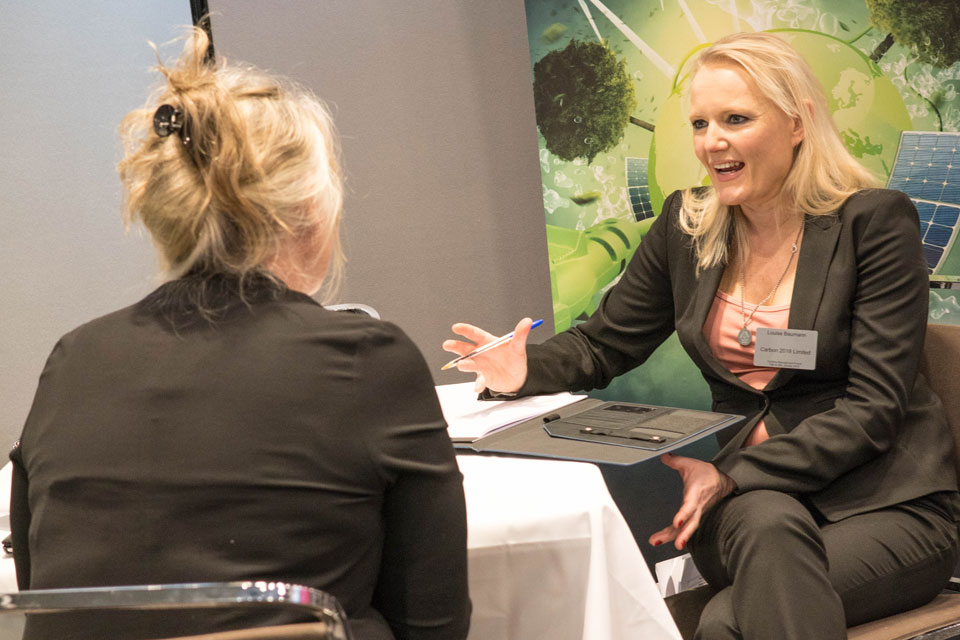
As your host we will create an itinerary of pre-arranged, 1-2-1 meetings for you with the buyers who are looking for your solutions, and with those you’d particularly like to meet.

Our delegates include representatives from:-

  • BT
  • ELIS
  • Finsbury Foods
  • James Finlays
  • London Borough of Hackney
  • Marriott International
  • Network Rail SE Route
  • Nippon Sheet Glass
  • Norfolk County Council
  • Scarborough Borough Council
  • Shangri-La Hotel at The Shard
  • Southern Co-Operative
  • The Body Shop
  • The Princess Alexandra Hospital
  • Vodafone
  • Wates Group

To find out more about how the Summit can help boost your sales pipeline, click here.

Do you specialise in Waste Management? We want to hear from you!

Each month on FM Briefing we’re shining the spotlight on a different part of the facilities management market- and in August we’ll be focussing on Waste Management services.

It’s all part of our ‘Recommended’ editorial feature, designed to help FM industry buyers find the best products and services available today.

So, if you’re a supplier of Waste Management services and would like to be included as part of this exciting new shop window, we’d love to hear from you – for more info, contact Paige Aitken on p.aitken@forumevents.co.uk.

Here are the areas we’ll be covering, month by month:

August – Waste Management

September – Asset Management

October – FM Software

November – Business Continuity

December – Fire Safety & Equipment

For more information on any of the above, contact Paige Aitken on p.aitken@forumevents.co.uk.

Image by Quinn Kampschroer from Pixabay

The Facilities Management Forum 2020 – Registration open!

Registration is now open for the next Facilities Management Forum – register for your free VIP place today!

Taking place on January 27th & 28th 2020 at the Radisson Blu Hotel, London Stansted, the Facilities Management Forum allows senior FM professionals to share forward-thinking ideas, meet new partners and discover new ways to underpin their security strategies.

It’s entirely FREE for you to attend and your VIP ticket includes:

  • A bespoke itinerary of pre-arranged meetings with product and service providers who match your requirements and upcoming projects
  • Access to a series of seminars by industry thought-leaders
  • Networking with like-minded peers
  • Complimentary overnight accommodation, plus all meals and refreshments
  • An invitation to our networking dinner

How Do I Get Involved?

We have just 60 VIP tickets available, so register your free place today.