5 Minutes With Archives - Facilities Management Forum | Forum Events Ltd
Posts Tagged :

5 Minutes With

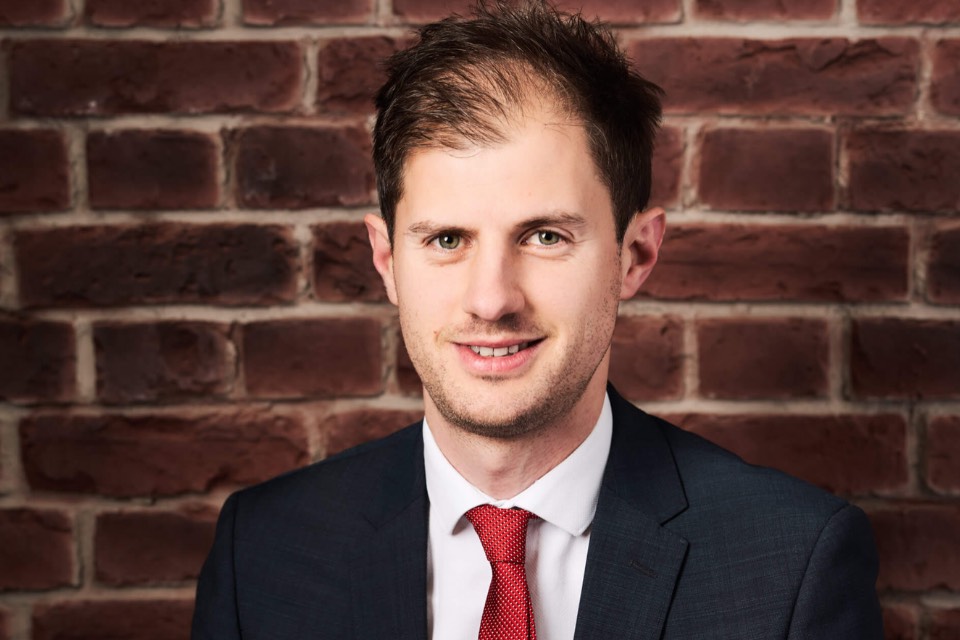
5 Minutes With… Ian Thresher, Regional Sales Manager at Mul-T-Lock

In the latest instalment of our FM industry executive interview series we sat down with Ian Thresher, Regional Sales Manager at Mul-T-Lock to talk about protecting customers from supply chain issues, the opportunities around touch-free security and the importance of sustainability…

Tell us about your company, products, and services.

Mul-T-lock has been manufacturing high security mechanical master key systems and electromechanical devices for several industries, including education, health care, and more, for over 50 years. We take pride in the quality of our products, which exceed a wide range of industry accreditations. Our extensive product lines are flexibility enough to develop customised systems for any application.

What have been the biggest challenges the industry has faced over the past 12 months? 

The pandemic was a difficult period for all businesses, but we believed it was critical to keep in touch with our customers through frequent phone calls and ‘Teams’ meetings. It was also the trigger for raw material and freight cost rises which have since been exacerbated by the war in Ukraine. So, continuity of raw material supply and pricing as well as soaring energy costs and inflation have been and remain a challenge for all businesses and customers. This is why we continue to work tirelessly to protect our customers where possible.

And what have been the biggest opportunities?   

Every day is an opportunity. You shouldn’t wait for an opportunity to arise to succeed. Create it. From an industry perspective it is tapping into the customer’s desire for high security that offers the optimum in convenience. This is why we’re seeing a growth in electromechanical solutions and sales. With SMARTair ‘Openow’ we saw customers during and post the pandemic wanting a touch free solution, a ‘key’ so to speak on their mobile phone, allowing them access to meeting rooms, hotel accommodation without interaction with people or traditional keys and credentials. We’re also seeing a surge in demand for audit trails, so eCLIQ our electromechanical solution that looks and feels like a traditional cylinder solution but smarter! Giving the customer the ability to provide and revoke access at the touch of a button, have audit trails of traffic through sensitive areas on site as well as timed access functionality.

What is the biggest priority for our industry in 2023?

The biggest priority is to provide a genuinely exceptional client experience and to go above and beyond. And, to keep innovating our service and solution offerings so we remain relevant to our customers. Proving to them that we understand the challenges they face and we have the solutions to help them today and tomorrow.

What are the main trends you are expecting to see in the market in 2023?

End users are increasingly shifting away from traditional mechanical master key systems and towards electromechanical systems such as Mul-T-locks eCLIQ and SMARTair, which provide additional security features such as audit trails, timed permissions, and access removal on lost or stolen keys.

What technology is going to have the biggest impact on the market this year?

This year, electromechanical access solutions will have a significant impact. They can be retrofitted to existing doors with mechanical cylinders, while the electromechanical solutions from Mul-T-Lock require no wiring. The added advantages increase security in ways that traditional methods cannot.

In 2025 we’ll all be talking about…?  

The topic of discussion will be global warming. This has been observed in recent years, yet it is impossible to deny that the impacts of global warming are being felt. The energy revolution and the transition to a lower-carbon civilization will dominate the debate by 2025 and with it our commitment as manufacturers to act responsibly, produce sustainably and provide products that are sustainable and help reduce the carbon footprint of existing as well as future environments where are products are used.

You go to the bar at the Facilities Management Summit – what’s your tipple of choice?

Vodka or a nice glass of red wine.

What’s the most exciting thing about your job?  

Aside from meeting different people and learning about their requirements, which we can easily accommodate for, the most exciting aspect of my job is observing how my efforts impact the company’s growth.

And what’s the most challenging?  

Things don’t always go as planned, which is totally normal; the trick is to stay cool and resilient while correcting shortcomings as soon as feasible.

What’s the best piece of advice you’ve ever been given?  

Life is about managing expectations, most of all your own.

Peaky Blinders or The Mandalorian?

Mandalorian, but I do have a soft spot historical dramatisation.
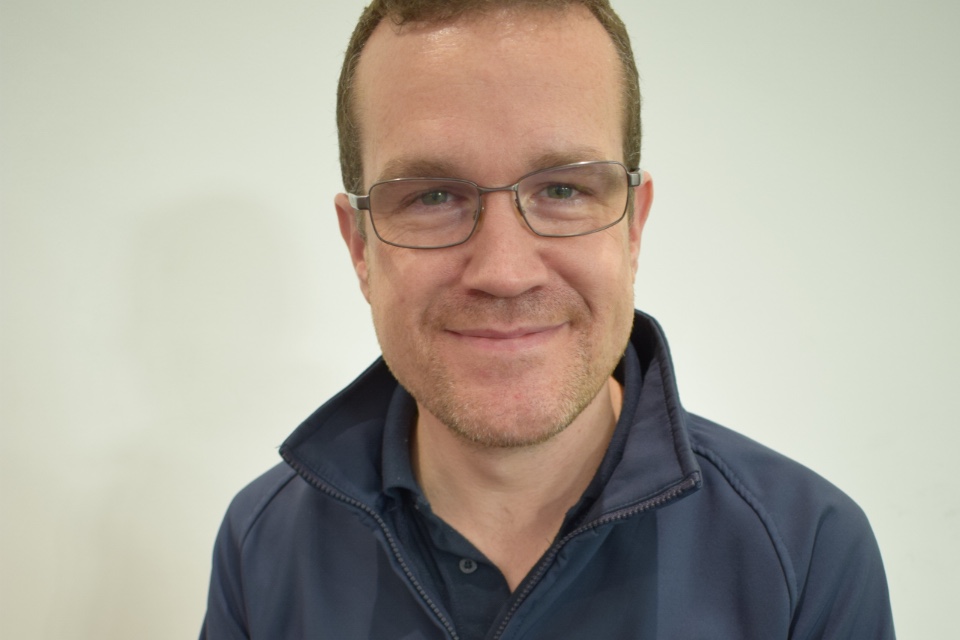
5 Minutes With… Scott MacIndeor, Head of Advanced Services at Water Plus

Scott MacIndeor is Head of Advanced Services at Water Plus, the UK’s largest water retailer which has won seven awards, since September 2022, for its work with organisations.

The company is also shortlisted for two UK Customer Satisfaction Awards in 2023 and is a Finalist in the Sustainable Business category in the Business Champion Awards 2023.

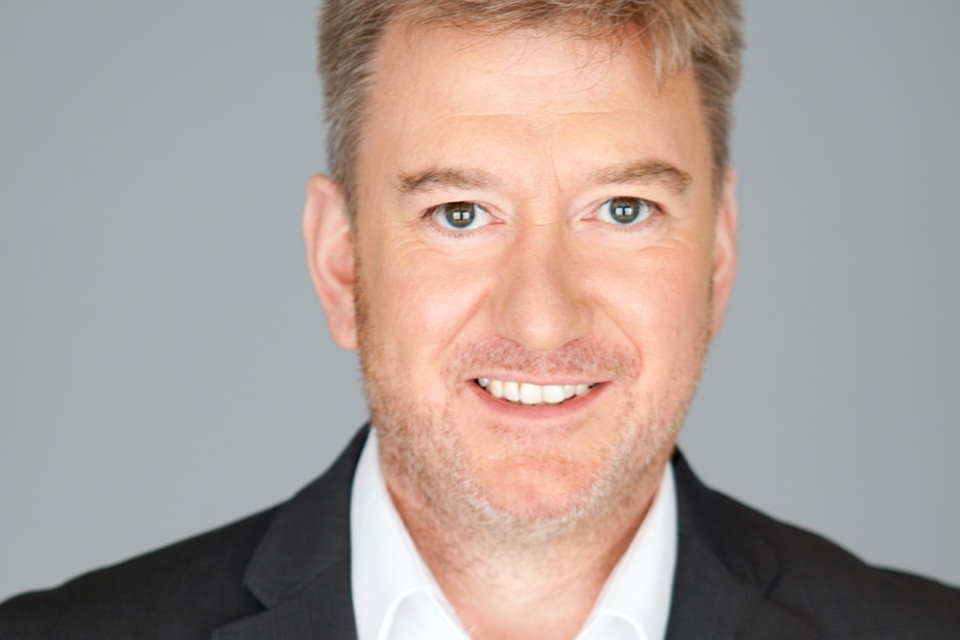
FM Briefing chatted to Scott MacIndeor (pictured), who leads the Water Plus team providing Value Added Services including leak detection and repair, additional water tracking capability and other technical water efficiency measures and support…

  1. What’s the best thing about your role?

Every week is varied and different – and I find it great to work on new ideas and review what approaches will work best for a site, or organisation, around the water they use. The water industry continues to evolve, particularly for a water retailer like us, and it’s exciting all the things we’re working on currently for customers and for our business, for this year and the future. People may think water is a low priority and not interesting – though it’s an area where there are so many possibilities on what we can all do with it and an incredible resource. 

  1. How can saving water save energy and help a business?

Using less hot water means lower energy costs. Low-cost push taps and aerators can cut flow rates by 16 litres a minute, so you’re using less water. This can reduce showers to 6 litres a minute – making a big difference for workplaces, gyms, spas and leisure facilities. Heating less water helps the environment too, as less energy is needed overall – and less water needs to be transported to sites through the network.

For me, at home, it’s more about small steps each day – so I turn off the tap while brushing my teeth, for example, as I don’t need that water and it’d just go down the plughole.

  1. Why is it important to note down meter readings regularly, during a year?

It’s worth noting your water use to help your budget – and spot potential leaks from damaged pipes on your site, which can affect your supply. You’re billed for every 1,000 litres of water used, measured by water meters, so saving water and tackling drips and leaks promptly is important.

On water meters, the important digits are the black ones. It’s worth noting your meter serial number – along with taking a photo of the reading, just in case your water retailer asks for this.

Remember to only read your meter if it’s safe to access – though if accessing the meter is not easy, then data loggers that can feed information into an online area, can really help. In fact, data loggers have helped identify a number of opportunities – along with issues – early, helping facility managers and site teams to react quickly to prevent damage to sites and further additional water costs.

Providing meter reads to your water retailer reduces bills based on estimates too and organisations have told us it has helped them budget, as well as delivering wider benefits like saving them water and saving energy too.*

  1. What other services can Water Plus offer businesses?

We’ve got access to the tech – and years of experience and knowledge – to help organisations use water more effectively, reducing waste and running costs. Plus, we already help organisations towards green sustainability goals, including Net Zero – and help lower energy costs when less hot water is used.

Services we can provide range from water efficiency site reviews to bespoke and unique projects that can help overall efficiency. Basically, our Advanced Services team is happy to talk about how we can help organisations – whether they’re a single site manufacturer, or a multi-site across the UK.

  1. What actions are Water Plus taking to help reduce impacts on the environment?

We’re engaging with our employees – and organisations we work with – to help reduce impacts we can all have on the environment. We have a Cleaner Climate Promise, which involves additional action including an ongoing tree-planting site appeal in 2023 to boost green canopy in the UK – and we’ve supported renewable energy projects that prevent carbon emissions as well as supporting wildlife and biodiversity work in communities in the UK.

If you have a suggestion for a tree planting site in England or Scotland, then email hello@water-plus.co.uk with the email subject heading “Nominate For Trees” and include some brief details on how trees would help the area suggested. Water Plus will review all suggestions.

More on what we’re doing to help the environment, can be found at: www.water-plus.co.uk/about-us/corporate-social-responsibility-sustainability/ 

  1. How is Water Plus helping the UK towards Net Zero?

Amongst the additional action we’ve taken on reducing carbon emissions in 2022 and 2023, we’re big on water efficiency and finding ways to help organisations gain more benefits from looking closer at their water use. This has included, more recently, work with BAE Systems – with details here on how it’s helping their aims and an NHS Trust, which can be seen here.

To request data loggers, or additional water efficiency services, contact the Water Plus team at: hello@water-plus.co.uk.

More information – and examples – of how Water Plus is helping organisations, is available at: www.water-plus.co.uk/about-us .

* Survey in February 2022 of customers contacted to encourage more water meter readings to track their use closer and submit more reads to Water Plus during a year. More than 43% of respondents to the survey had seen a benefit of reading their water meter more often out of 65 who completed the survey. Of those who saw a benefit, 41% said they had saved water (with the example on the question of saving water helping to spot a leak or a dripping tap), and 20% had saved energy (with the example on the question of using less hot water).

5 Minutes With… Infogrid’s Rupert Lane

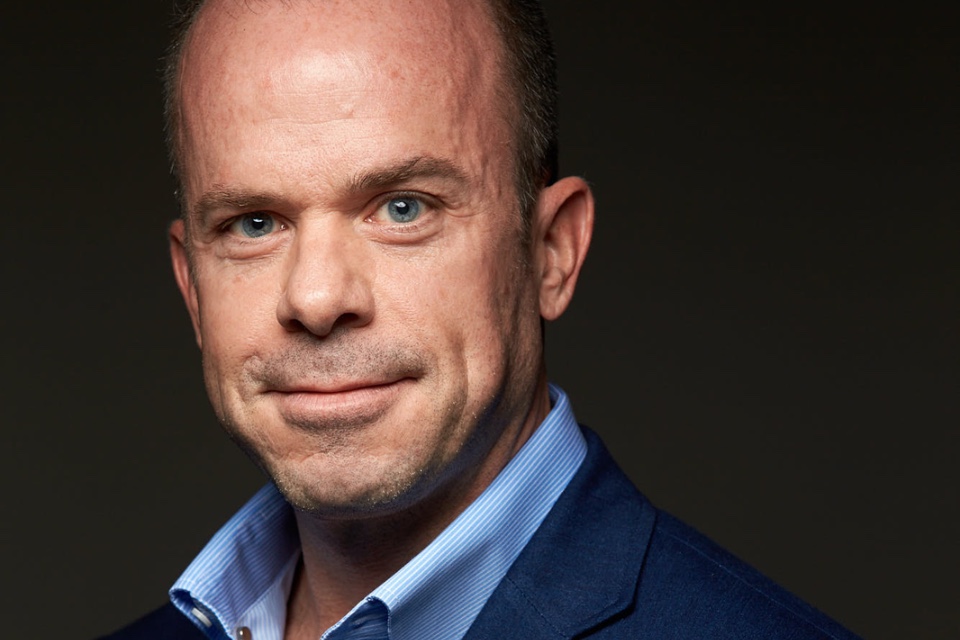
For the latest instalment of our FM industry executive interview series we spoke to Rupert Lane (pictured), Global Enterprise Solutions Consultant at Infogrid, about SaaS in the sustainable built environment, the importance of workplace health & wellbeing, the power of AI when it comes to HVAC efficiencies and more…

Tell us about your company, products and services.

Infogrid is a global leader in building intelligence committed to making the built environment more efficient, sustainable and healthier through smart technologies.

Infogrid’s AI-powered SaaS platform collects, combines and analyses millions of data points from buildings through best-in-class IoT sensors, delivering real-time intelligence for the commercial real estate and property sector.

We focus on three areas – Healthy Buildings (tenant / occupier experience), Efficient Buildings (maintenance and service) and Sustainable Buildings, but the last is really a green thread that runs through all our solutions, breaking down silos across the industry.

Our philosophy is Simple, Affordable, Scalable and Sustainable. In order to have the maximum positive impact on the planet, we need to be easy and cost-effective to install across whole portfolios, not just flagship HQs.

What have been the biggest challenges the FM industry has faced over the recent months?

As we emerge from lockdown and the positive sense of urgency from COP26 (ahead of rising regulation), the industry has been tasked with all sorts of new responsibilities that have not previously been in its wheelhouse – suddenly, we need to be experts in Workplace Experience, Sustainability, remote monitoring and using technology to conduct tasks that have been done manually for decades. 

It’s no longer just about keeping the lights on (literally), but delivering a full service FM on all the real estate topics of the day, amidst a labour shortage (heightened in the UK due to Brexit), water shortages, labour and energy cost inflation, thereby needing to work with technology to accelerate the change, whilst being assailed by a myriad of new technologies.

Dr Joseph Allen is often quoted as saying, your building manager has a greater impact on your health and well-being than your personal doctor’, and we’re trying to provide these services at a time of economic uncertainty. Infogrid’s solution can help across the broad remit of these challenges, providing a single pane of glass on your most critical issues.

What are the biggest challenges when monitoring water quality in commercial real estate?

The majority of water safety monitoring tasks are manually intensive, with a heavy compliance reporting requirement, to ensure the safety of occupants in complex buildings. They result in huge amounts of water wastage, tonnes of CO2 emissions from heating water unnecessarily and journeys to remote sites and poor reporting of compliance through handwritten logbooks. Infogrid’s solution can remove unnecessary flushing and journeys to sites where water safety is being remotely monitored 24/7 resulting in significant cost, CO2 and time savings, while ensuring greater compliance and live alerts should any issues arrive, enabling proactive responses.

What solutions do you think can help the FMs overcome these challenges?

Infogrid’s range of IoT solutions enable FMs to perform at their best. Imagine a world where all the manual, low value add tasks were monitored remotely, without the need for time-intensive journeys or energy-consumptive manual actions, and all the reporting was available live, 24/7, without the need for reams of paper stored in folders. Imagine a world where with the time saved, you could put your team to task on the high value add activities that will actively improve our buildings’ health, reduce CO2 emissions, retain and attract talent and retain happier clients, sharing financial and green ROIs. This is the world that Infogrid enables through simple to install SaaS solutions that can be viewed from anywhere, automating processes and reports and enabling proactive facilities management.

You mentioned data and AI platform can be used as a solution. Explain what the technology is?

The end-to-end solution is designed to be simple, affordable, scalable and sustainable. This means that it can be swiftly retrofitted to any building and deliver immediate ROI through live data. Once installed, Infogrid can correlate data from different sources, through a combination of Data Science and AI, to deliver impactful recommendations or alerts that enable an intelligent understanding not just of each building, but of your entire portfolio. 

For example, understanding occupancy alone is a simple data point, but looking at occupancy trends through time can enable a smart cleaning rota, staffed appropriately for peaks and troughs, with the ability to be reactive. Yet, add an understanding of the air quality and the HVAC’s energy consumption, and you can address whether or not you can reduce the HVAC’s energy costs and CO2 emissions, because you have low occupancy and good air quality…and then you can compare the performance of all the buildings in your portfolio to decide which are the least efficient or desirable to work in…and make data-led decisions about property rationalisation.

How can this technology automate and optimise parts of a FM’s role? 

Firstly, the solution either removes or significantly reduces low value add laborious tasks. The reporting functions can then replace existing disconnected excel spreadsheets or hard copy log books, through live, online reports and dashboards (which can be downloaded). Alternatively, any alerts or reports can be pumped directly into a CAFM, IWMS or other end point simply through the API, enabling integration into work ticketing systems or as a standalone solution, depending on the user’s needs – it’s flexible.

Looking ahead, the solution’s recommendations are able to steer the facilities manager to making adjustments on the plant in the building which optimise the building’s performance and their time allocation to high value add activities.

What are some examples of how buildings can be made more efficient? 

From my experience helping hundreds of facility managers across the UK, buildings of any age can be retrofitted with an AI smart building platform powered by IoT sensors to make them more efficient. Buildings can save hundreds of hours of flushing time and hundreds of thousands of litres of water. We had the honour to work with multiple NHS Trusts. The results our Efficient Building System has achieved for the NHS have been amazing. Per 100 sensors install, we deliver costs saving of £21,000 (£73,600 for acute wards), Labor savings of 81% of time saved (91% for remote sites), Water savings: 310,000 litre (1,085,200 for acute wards), Energy savings: 430,000 KwH (1,505,700 for acute wards), CO2 savings: 440,000 Kg (15,551,700 for acute wards). 

Another example is how buildings can be cleaned more efficiently and productively. Our FM client was finding cleaning to be inefficient, wasteful of cleaning resources, and high in unnecessary labour costs. By deploying door monitoring sensors on 107 toilet cubicles across the building, staff could understand how many people were using the facilities and when. The system, for example, told them that cubicles on the top floor were used much more frequently than other floors. Our client used the Infogrid system to make their cleaning patterns more efficient. They were able to reduce cleaning times by 30% in low occupancy areas and by 20% in areas of high occupancy. This is equal to 525 hours saved per building, per year.

This technology can even be fitted to make historical buildings more efficient. The Royal Opera house uses cooling fans to manage heat from lighting equipment. This generates condensation and leaks, which poses a significant risk to the building and the precious artifacts housed within them. Managing this risk requires twice daily manual checks. We deployed Leak Detection Solution to provide always-on leak and humidity detection with alert capability to supplement the existing BMS system and visual checks, by providing detailed info on cooling and leaking. They are now saving 650 labours hours each year on leak detection.

What steps can organisations take to improve water safety and quality? 

The route to improving safety is through data-led management of your water system. If you know what’s going on, anywhere on the system at any time, you can proactively head off challenges such as lesser used outlets, especially around vulnerable people in the healthcare system. This also enables you to proactive improve the performance of your critical water assets, such as calorifiers or pumps, through active maintenance, or rectify issues swiftly through reactive alerts. Trusting in 24/7 data will greatly improve your awareness of your water system and ensure greater compliance and reduced risk.

What is an FMs role in Legionella (L8) testing? 

Typically, an FM will need to ensure that the sites identified in their LRA (Legionella Risk Assessment) or SoC (Scheme of Control), as designated by their Water Auditor, are passing the regulatory flushing and temperatures required of HSG274 (Part B). This requires the maintenance of a schedule of taking temperatures manually and flushing taps and water assets throughout their buildings to ensure that temperatures are maintained at the right levels and that water does not remain stagnant, where bacteria may develop. Should any temperature or water flow issues arise, it is up to them to mitigate the risk through enhanced flushing, resolving the temperature issue (e.g. fixing a calorifier) or adding chemicals. Another side effect of the role, increasingly in focus post COP26, is the need to ensure no energy or water is needlessly wasted. Thereby, understanding if a calorifier is over-active/heating and if water is being needlessly flushed is just as important now as ensuring they meet the regulatory requirements.

5 Minutes With… Dan Lee, Managing Director at phs Compliance

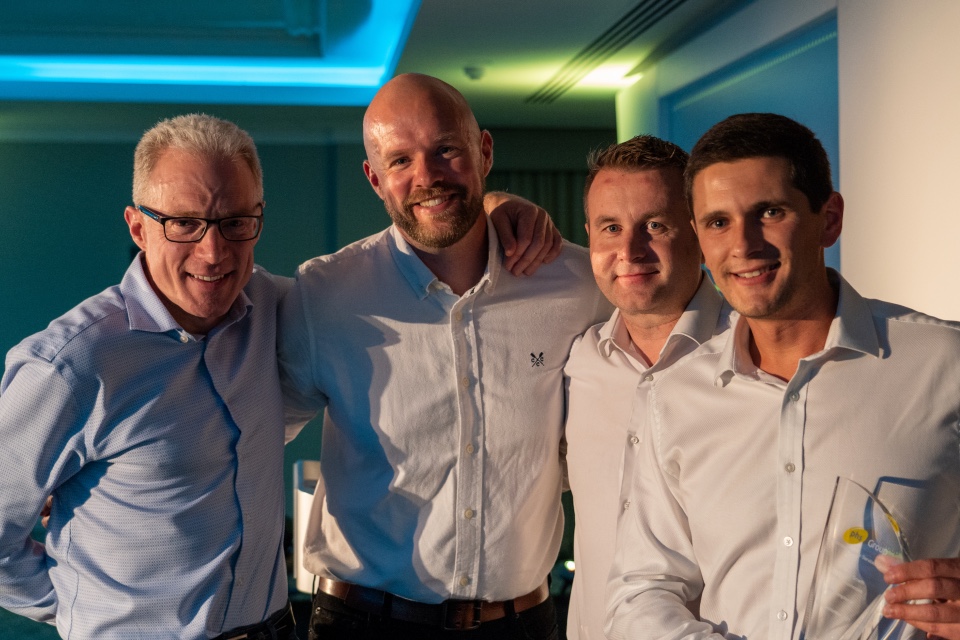
In the latest instalment of our FM industry executive interview series we spoke to Dan Lee (picture above, far right), Managing Director at phs Compliance, about the company, the ongoing effects of the pandemic, increased post-lockdown demand for FM services, automation and why having a wellbeing strategy is important…

Tell us about your company, products and services.

phs Compliance is one of the UK’s leading providers of workplace compliance and building engineering services, offering everything businesses need to stay safe and compliant.

Fully accredited by all leading industry regulatory bodies, phs Compliance has the largest team of specialist statutory testing operators in the industry. It provides statutory electrical services including testing (including PAT tests and fixed electrical testing), inspection services, maintenance, and remedial work. As the UK’s leading provider of electrical testing with nationwide coverage, phs Compliance ensures workplaces of all sizes stay safe and compliant. It is part of the phs Group.

phs Compliance also offers a comprehensive project design, installation, commissioning and maintenance service for fire and security systems.

Accredited to the highest standards, phs Compliance offers significant experience, technical expertise and nationwide capability to support customers’ capital expenditure project needs for fire systems and security systems.

phs Compliance also offers expert project management services, including the design, supply and installation of everything from power and lighting to electric vehicle charging points.

With over 400 engineers across the UK, phs Compliance delivers more than 14 million compliance inspections for 35,000 customer sites nationwide every year.

What have been the biggest challenges the FM industry has faced over the past 12 months?

The uncertainty around the pandemic has been a big challenge. The different lockdowns, lower occupancy rates in buildings and the work from home orders have forced the FM industry to relook at almost every factor in the built environment to find new strategies.

And what have been the biggest opportunities?

We have been able to build even closer relationships with current and new customers as we help them navigate their way through these challenging times. Our business critical services have really supported customers and helped them to meet their regulatory requirements and stay compliant.

What are the main trends you are expecting to see in the market in 2021/22? 

As businesses continue to reopen, we are seeing an increased demand for services that may not have been able to be carried out during lockdowns. This will undoubtedly bring some challenges given the current labour market, but we are confident that with strong account management and clear communication, we can work closely with our customers to ensure full compliance.

What technology is going to have the biggest impact on the market this year?

I would definitely say automation. We are always looking for ways to improve our customers experience and our visibility.

In 2022 we’ll all be talking about…?

The economic outlook.

You go to the bar at the Facilities Management Summit – what’s your tipple of choice?

A pint of lager followed by a bottle of red wine!

What’s the most exciting thing about your job?

I’d say it’s the people I work with every day – those in the field, back office and all of the support teams. The loyalty and dedication I saw during the pandemic was exceptional.

I was also particularly pleased to see our communication and wellbeing strategy recognised as outstanding in a recent engagement survey.

And what’s the most challenging?

It has to be the current labour challenges and the recruitment of skilled electrical engineers to support our exciting growth plans.

What’s the best piece of advice you’ve ever been given?

You have 2 ears and 1 mouth for a reason; use them wisely…

5 Minutes With… Bayer Environmental Science’s Gary Nicholas

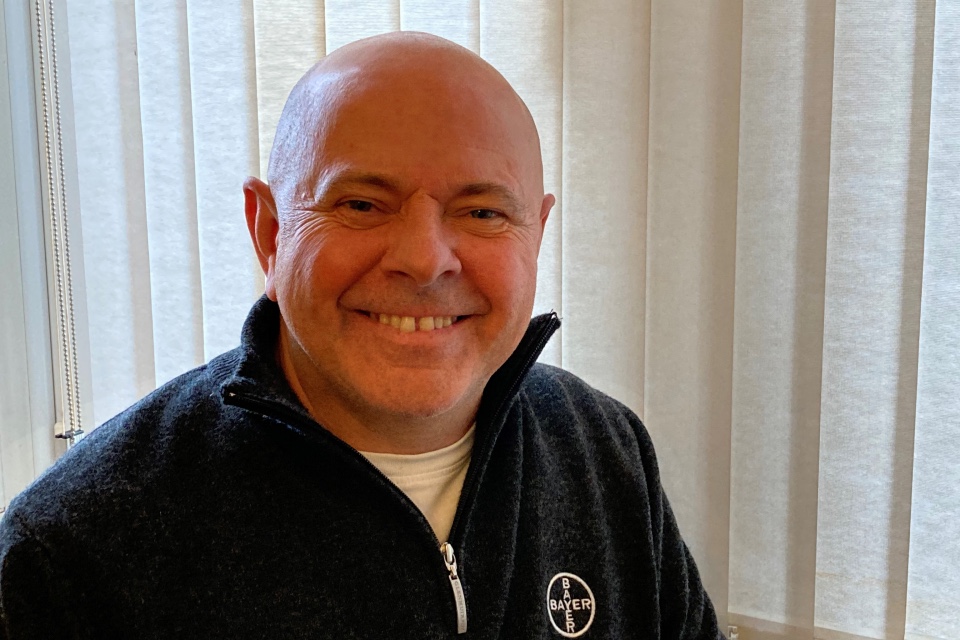
In the latest instalment of our FM industry executive interview series we spoke to Gary Nicholas, UK & IE Sales Manager (DPM) at Bayer Environmental Science, about Digital Pest Management, the role data & analytics can play in controlling pests and the rewarding nature of working with the facilities management community…

Tell us about your company, products and services.

The Bayer Group is managed as a life science company with three divisions – Pharmaceuticals, Consumer Health and Crop Science, Bayer are very well known for our chemical products and we’re now combining these with digital solutions.  Solutions such as Digital Pest Management (DPM) to enhance our professional pest management products range.

What benefits and ‘value adds’ does DPM offer FMs?

DPM allows for real time 24/7/365 chemical-free remote rodent monitoring.  The software is able to produce trend analysis and other analytics from the data capture. Benefits and ‘value adds’ of this for FMs are such thing as:

  • Real time live digital site plans showing the precise location of each individual trap. Smart traps that can be represented on the digital site plan by coloured icons which change colour depending on their status.  No more guessing or ‘not knowing’ where traps are located and what state of service they are in.
  • Real time trigger and capture notifications which can be sent to QA and pest manager’s devices, or indeed anyone who is authorised to receive alerts through the system software. Vastly reduced reaction lead time to pest sightings and activity.
  • Reducing the use of chemicals and rodenticides to a point where usage is very precise and very targeted and used only when absolutely necessary.
  • Heat mapping technology which provides invaluable data on current and historic rodent activity, where activity is reducing, increasing and importantly where there is no activity.
  • Daily diagnostic system checks on every trap on every site, which provides QA and pest managers with automated digital, data driven reports on status and activity. This is the equivalent of having all traps inspected, serviced and digitally reported on 365 days a year.  Real time 24/7 integrated pest management systems.
  • Audit ready systems supported by the manufactures.
  • Transparency of service.

All of this would be impossible to achieve without DPM.

Do different types of site require different DPM solutions – what are the key considerations?

Not necessarily different solutions, but each site will have individual needs.  The system is flexible enough to allow bespoke solutions to meet those – Key considerations would be:

  • Nature of the business.
  • Size of the particular sites where DPM is to be installed.
  • Are non-chemical solutions preferable? I.e. food & beverage manufacturing, critical health care, and the impact of using chemicals on the business and surrounding environment.
  • Levels and locations of recent, current and historic rodent activity
  • Will the customer benefit from an audit ready digital platform? Invariable the answer to this will almost always be ‘Yes’.
  • Tailoring the system to the exact requirements of individual managers and their sites.

What is your biggest priority in 2021 (in terms of developing the DPM solution)?

To ensure businesses managers, FM managers and pest managers are aware that our system is available and on the market.  To demonstrate its functions and all the benefits of DPM.  We’ll also be ensuring that everyone’s able and confident to work with our system on their sites. Myself and the Bayer DPM team are dedicated to offering our full support to all users for as long as it is needed.

Tell us about the underlying technology in Bayer’s DPM solution

It’s a cloud based, remote management system, developed in conjunction with Microsoft that uses LoRa technology to connect smart traps, both rat and mouse, to a central Gateway.  It can be used indoors and out, plus smart traps are water and dust resistant. Continual development and data refreshes bring new features and functionality – ultimately the solution is designed to enhance and compliment the skills and abilities of the service technicians and the wider pest management industry, bringing all the benefits of digital to their customers.

What role does data and analytics play in more effectively managing pests?

In short, monumental improvements in ‘knowing’ the pest status of sites, every day of the year.  In particular, trend analysis helps PCOs understand and get to the ‘root causes’ of infestations, control infestations in a very targeted and much quicker manner, and predict when and where future activity may occur, understanding the rodent behaviour and  acting accordingly. Therefore, the data protects people, property, assets and reputations from rodent damage. Plus, using data to ensure when chemicals and rodenticides are needed and employed means the system is very targeted, precise and therefore sustainable.

In 2025 we’ll all be talking about…?

The widespread use of mobile apps to self-manage medication and personal healthcare. Providing real-time status on such things as vaccinations and wellbeing.

Which person in, or associated with, your industry would you most like to meet?

All of my Bayer colleagues in our team. COVID restrictions have so far meant that we have been unable to meet in person since I joined Bayer last October.

What’s the most surprising thing you’ve learnt about the FM sector?

Not surprising, but certainly what I have learnt most is just how much I enjoy working with the FM industry. It’s challenging at times in terms of tailoring specific solutions to such diverse needs and requirements, but always great fun and very rewarding.  I’ve met a lot of lovely, interesting people, surveyed some iconic and often fascinating buildings and locations, and made some life-long friends from within the FM industry/sector.

You go to the bar at the Facilities Management Summit – what’s your tipple of choice?

Sauvignon Blanc – Chilean if available, and a large one, thank you!

What’s the most exciting thing about your job?

Being the person at Bayer ES leading the commercialisation of, in my opinion, professional pest management’s latest and most exciting innovation in the past 50 years or more. I get let loose on the technology and get to showcase it to businesses and people across the UK, Ireland and also into Europe! That’s amazing!

And what’s the most challenging?

Helping the pest management industry to shift its mindset from age-old ways of thinking and working and getting those people to share our vision that digital innovation brings.

What’s the best piece of advice you’ve ever been given?

Be yourself. Trust and believe in your own ability and never stop learning.

About Gary Nicholas

Over 35 years working within the pest control industry, the last 20 of which have been working closely with Facility Managers and Building Managers, previously as Surveyor & Account Manager and now as UK & IE Sales Manager (DPM) for Bayer Environmental Science. Lives in NW England in the beautiful Fylde coastal town of Lytham St Anne’s with wife Paula. Outside of work, enjoys watching Rugby and MotoGP as well as having a keen and active interest in aviation and flying.

5 Minutes With… Lina Bubulyte, Head of Operations at Principled Storage

In a wide ranging interview Lina Bubulyte, Head of Operations at Principled Storage, discusses how the Hertfordshire-based company is tackling the data storage needs of UK businesses with RFID technology, the challenges posed by COVID-19 and the potential for 5G to shake up the market…

Tell us about your company, products and services.

Principled Storage is based in Hertfordshire and has been formed with the objective of supplying a convenient and economical data storage solution which is fully compliant with legislation for companies.

We provide companies in the UK with the ultimate storage solution at the most competitive rates, helping our clients reduce their costs, whilst keeping their documents safe, secure and easily accessible.

Our storage box holds 20% more documentation than any of our competitors. They are made from high-tensile plastic rather than cardboard and are therefore a more sustainable and cost-effective solution to storage. The boxes are robust and are sealed with a tamper proof security tag, hence offering the most complete GDPR product in the UK. The boxes are also fitted with RFID tags and are fully trackable, point-to-point, through the whole process.

At Principled Storage, we recognise our responsibility and obligation to work to reduce the direct impact of our business operations on the environment, both now and in the future.

What have been the biggest challenges the FM industry has faced over the past 12 months?

Covid-19 pandemic, social distancing and health and safety matters;

Brexit uncertainty in the UK;

Environmental impact;

New legislation, including GDPR.

And what have been the biggest opportunities?

Technological advances, especially allowing people to work from home during the pandemic.

Automation: robotics, building automation systems.

A diverse workforce with widely varied skills and perspectives.

What is the biggest priority for the FM industry in 2020?

Resource optimisation: intelligent planning tools and mobile systems.

Health issues: environmental and workplace health hazards.

Sustainability and eco-friendly products and services.

What are the main trends you are expecting to see in the market in 2020?

Focus on working from home and health and well-being of the employees.

Economic growth and increasing competition.

Sustainability: natural resource preservation, climate, pollution.

Technological development.

What technology is going to have the biggest impact on the market this year?

That could be 5G data networks.

In 2022 we’ll all be talking about…?

Artificial Intelligence (AI) and Virtual Reality (VR).

What’s the most surprising thing you’ve learnt about the FM sector?

Outsourcing. According to the studies, by 2025 the global outsourced market in FM services will be worth $1 trillion. Outsourcing is increasingly delivering more complex services.

What’s the most exciting thing about your job?

Every day brings new challenges which transforms into new opportunities.

And what’s the most challenging?

Keeping up with technological advances and changes to legislation.

What’s the best piece of advice you’ve ever been given?

In the world where you can be anything, be kind.

Peaky Blinders or Stranger Things?

Definitely Peaky Blinders.

5 Minutes With… David Kennett, Head of Technology & Operations, Flexicount

In the latest instalment of our FM industry executive interview series, we spoke to Flexicount‘s Head of Technology & Operations, David Kennett, about the company, the challenges posed by COVID-19, new technology and industry opportunities…

Tell us about your company, products, and services

The Flexicount brand was created off the back of a request for a wireless battery-operated sensor to count visitors into washrooms, primarily in large office buildings.

Our parent company StoreTech has been providing footfall counting to the retail sector for over 22 years.

With Flexicount we were able to use our StoreTech experience of using the best-of-breed people counting technologies along with our knowledge of how to make visitor data actionable with our simple web portal and share it with a sector that is crying out for actionable data.

Delivering cleaning services to demand is just like scheduling staff to demand in retail and the only way to do this effectively is by using some form of people counters; therefore we developed our own low-cost usage sensor which provides dynamic updates throughout the day.

The system predicts more efficient cleaning schedules based upon usage and allows for live alerting and cleaner response times, so it improves service levels whilst simultaneously driving down costs.

The other smart building solution is an occupancy counter which is >99% accurate and ideal for managing a building, floor, or room capacity data. With thresholds, alerts, and digital displays the occupancy solution is ideal for the current social distancing laws and smart building data insight.

What are the biggest challenges the FM and cleaning industry will face over the next 12 months?

Developing an effective cleaning and disinfection programme is critical.

The COVID-19 pandemic has accelerated the need for smart technology to enhance cleaning operations and maintain social distancing.

Without usage or occupancy data, there is minimal understanding of the key metrics required to implement this and ensure employee safety.

With just a small proportion of the workforce heading back to the office, it’s imperative that FM companies are able to make data-driven decisions around occupancy or usage of facilities, in order to plan cleaning resources and safety precautions to their optimal level.

Cleaning to demand will be the new way of working to reduce the risk of exposure to COVID-19 and ensure efficient cleaning and social distancing where required.

In 2022 we’ll all be talking about…

Hopefully, something other than COVID-19!!

Which person in, or associated with, the FM industry would you most like to meet?

Martin Pickard aka The FM Guru!

You go to the bar at the Facilities Management Summit – what’s your tipple of choice?

I have to admit I’m a lager-boy at heart – nothing too exotic! Maybe a Baileys before bed!

What’s the most exciting thing about your job?

Learning how advancements in technology year on year continue to expand the possibilities of smart tech into the workplace.

And what’s the most challenging?

In the IoT technology sector, new products are being prototyped all the time.

To be honest, they don’t always work first time as real-life environments can be very different from testing in laboratory conditions. So it is a challenge, but I do enjoy the ups and downs and the whole team strives to get over every hurdle until we have selected the best IoT products for each sector we work in.

What’s the best piece of advice you’ve ever been given?

Failure is good, if you recognise it, learn from it, be open about it, and strive to keep going forward.

Peaky Blinders or Stranger Things?

Stranger Things!

www.flexicount.com

5 Minutes With… Jim Phelan, Irisys

In the latest instalment of our FM industry executive interview series, we spoke to Jim Phelan, Director of Smart Buildings Business Development at Irisys, about his company, industry opportunities, the challenges posed by COVID-19, thermal temperature scanning and autonomous buildings…

Tell us about your company, products and services.

Irisys are people counting experts. We have been making people counting solutions for 24years and have deployed over 500,000 sensors. Our sensors are trusted by big companies around the world such as Morrisons, Kroger and Samsung.

Our latest product is called SafeCount. It is an occupancy monitoring solution that was developed in response to COVID-19 to help businesses measure and control occupancy within their buildings to enable social distancing to take place and to protect the safety of all occupants.

SafeCount can be deployed at a building or room entrance, such as a washroom or a canteen area; and multiple entry and exits points are handled with ease. When occupancy limits for an area are reached, visual alerts are sent to display screens to advise building occupants that it is not safe to enter.

What have been the biggest challenges the FM industry has faced over the past 12 months?

The obvious, COVID-19 was the unforeseen global challenge that has impacted the personal and professional lives of every human.

And what have been the biggest opportunities?

Innovation prevails during time of crisis, and necessity is the mother of all invention, and so on…  This pandemic has forced building operators to take a calculated approach to re-populating their buildings by optimizing existing building systems and introducing new technology to manage building usage.

What is the biggest priority for the FM industry in 2020?

Determining how to safely re-populate buildings and responding to the highly likely remote working strategies many companies will introduce.

What are the main trends you are expecting to see in the market in 2020?

Building health and wellness and its impact on its occupants.

What technology is going to have the biggest impact on the market this year?

Thermal temperature scanning of building occupants and occupancy controls are already making a significant impact to the re-population of buildings, I see this continuing for a long while.

In 2022 we’ll all be talking about…?

Boy, COVID-19 was a real gamechanger huh…

Which person in, or associated with, the FM industry would you most like to meet?

Whoever first successfully develops an autonomous building.

What’s the most surprising thing you’ve learnt about the FM sector?

Technology adoption moves at a much slower pace than the residential market.

You go to the bar at the Facilities Management Summit – what’s your tipple of choice?

Willett Rye Whiskey “double neat”.

What’s the most exciting thing about your job?

No two days are the same.

And what’s the most challenging?

No two days are the same.

What’s the best piece of advice you’ve ever been given?

Vent up.

Peaky Blinders or Stranger Things?

Ozark.

www.irisys.net

5 Minutes With… Genetec’s Paul Dodds

In the latest instalment of our FM executive interview series, we spoke to Paul Dodds, Country Manager UK & Ireland at Genetec, about the company, industry opportunities, the challenges posed by COVID-19, de-centralised working practices and Newcastle United…

Tell us about your company, products and services.

Genetec is a forward-thinking technology company that improves security and operations by ensuring facility managers can manage all of their IP security systems from one, intuitive interface. By unifying the likes of access control, video surveillance, intrusion detection and analytics, we help users to gain a better understanding of what is happening inside their facility, thereby ensuring operators can respond faster, more effectively and with greater confidence.

We are open-platform which means our customers aren’t restricted in their hardware choices. They can select the cameras, door readers and a myriad of other sensors based solely on what best meets their budget and requirements.

What have been the biggest challenges the FM industry has faced over the past 12 months?

Undoubtedly it is Covid-19 which nobody could have comprehensively planned for back in 2019. All of a sudden, the FM industry has been tasked with introducing and enforcing the new hygiene protocols, physical distancing requirements and strict occupancy limits that allow for workplaces to be safely re-opened.

Digital technologies were already shifting the needs and expectations of an organisation’s physical premises. but the changes now required are on a scale not seen before. It will require a lot of time, effort and access to the right technology to make these adaptations.

And what have been the biggest opportunities?

We now have a window of opportunity in which the wider business fully understands the need to completely overhaul premises and the way they are managed. So now is the time when additional budget may just be available to push through projects that ensure facilities can operate safely and securely.

The FM industry shouldn’t pass up this opportunity to look at options that both address the immediate post-lockdown challenges and that provide a clear upgrade path to anticipate and respond to future requirements. For example, can we centralise security operations to monitor all of our sites from one location? Can we reduce training costs by enabling operators to manage all systems through one intuitive interface? And can we use our system beyond security to give us a better understanding of how the space is being used?

What is the biggest priority for the FM industry in 2020?

The single greatest priority has to be ensuring facilities can safely re-open and function, so that employees are confident in returning to the workplace. We need to use all the technologies at our disposal to get facilities back up and running and to ensure that any incidents have minimal on-going impact on day-to-day operations. For example, should an employee test positive for Covid-19, the ability to quickly identify where in facility they have been and who they are likely to have come into contact with could be critical in preventing one isolated case from becoming a disruptive localised outbreak.

What are the main trends you are expecting to see in the market in 2020?

I expect many companies will rethink their real estate requirements. For example, Barclays’ CEO has already said putting 7,000 employees into a large central headquarters may be a thing of the past. It’s likely that larger companies will move towards a more decentralised approach that sees employees combining working from home with visiting many different smaller sites. This will change the way security and operations must be managed.

The unification of video, access control and intrusion detection is another trend I expect to continue in 2020 and beyond. People are growing increasingly frustrated with isolated systems that are inefficient to manage and which provide an incomplete understanding of what his happening inside the facility.

What technology is going to have the biggest impact on the market this year?

In the circumstances I expect access control and video analytics will have a strong year as they can simplify many of the new measures currently being put into place. For example, people counting software is a great way of warning when occupancy limits are close to being breached so that guards can take action before it is too late. Equally, access control can alert cleaning staff when a room needs to be sanitised and automate record-keeping of exactly who was on-site at any one time.

In 2022 we’ll all be talking about…?

Within FM circles I’d like to think we’ll be celebrating the long-term benefits of the new technologies we’ve introduced to meet the demands of the modern workforce. I hope cybersecurity and privacy will also be much more front of mind. Right now many organisations are rushing to deploy solutions such as thermal scanning and video analytics to address their immediate operational challenges. Both technologies have their place and can be introduced in a manner that doesn’t put the organisation at greater risk or unduly impinge on the privacy rights of visitors and employees. In time I think we’ll see users grow less accepting of technology deployments that didn’t consider cybersecurity or privacy at the outset of their deployment.

Outside of work, I hope we’ll all be talking about the resurgence of Newcastle United in the style of Leicester City back in 2016!

You go to the bar at the Facilities Management Summit – what’s your tipple of choice?

Probably a crisp lager but right now I’ll take anything wet if it’s an opportunity to meet with my peers face-to-face.

What’s the most exciting thing about your job?

Without hesitation it is speaking to partners and end users about the specific challenges they face so I can come back to them with a solution that will best meet their needs. In this regard I’m very lucky to work for Genetec for two reasons. Firstly, as we’re open platform I can be technology and vendor-agnostic, choosing hardware solely on whether it is fit-for-purpose and answers their requirements. Secondly, I’m backed up by a talented team of developers who quickly predict and respond to customer needs. For example, recently – at the request of our customers – quickly developing a contagion reporting capability and an access control application for the distribution of personal protective equipment.

And what’s the most challenging?

In the current climate it is frustrating to see some organisations rushing towards specific technologies without a thorough understanding of their effectiveness, suitability for the task and where they’ll fit into wider operations.

A good example is thermal cameras which are often being purchased with proper scrutiny, leaving people susceptible to dishonest marketing claims. In many cases it is technology in search of a problem. Whereas we prefer the approach of starting with the challenge the business needs to solve and only then selecting the technologies that can help.

5 Minutes With… Neal Grant, Derwent FM

In the latest instalment of our FM executive interview series, we sat down with Neal Grant, Derwent FM‘s Head of Business Development, to talk about his company, industry opportunities, the challenges of Covid-19, new technology and Game of Thrones…

Tell us about your company, products and services

We deliver a range of hard and soft FM services which combined mean we can offer a total facilities management service for our customers. We cover a national spread of sites from Glasgow in the north down to Bournemouth on the south coast, we have also started delivering services in Ireland. The majority of services we deliver in house through our skilled workforce, with specialist services such as lift maintenance delivered through our select group of supplier partners.

Our services are delivered with sustainability and customer experience as the key focus areas, all underpinned by total compliance across every aspect.  We are one of the first FM companies in the country to achieve the energy management ISO 5001 accreditation, illustrating our drive to lead on sustainability, and also have a wide portfolio of long term partnerships centred on customer excellence. Social impact is a huge part of our business also, this is reinforced by each and every penny of our profits being fed back into social housing delivered via our parent company. We therefore deliver an FM package with an ethical approach and a clear beneficial social impact all centred on sustainability.

The structure of our business means that we are ‘small enough to care but big enough to deliver’. As a business with circa 250 employees and £18million turnover per annum, our size means we can tailor and adapt our offering for our clients in a flexible and focused manner, whilst also offering the security of our £800mil+ parent company, Places for People, to meet all financial surety requirements.

What have been the biggest challenges the FM industry has faced over the past 12 months?

The industry is still recovering from the Carillion fall out, trust in the outsourced market has dipped as a result and even SME suppliers are looking to spread their risk from a supply perspective in case a similar scenario repeats. The skills gap in the country around reliable, experienced tradesman remains and recruitment of electricians, heating engineers etc also remains challenging particularly outside London.

Given the new threat of Covid-19, it remains to be seen what impact this will have on the FM sector in the long run but in the short term simply delivering services when social distancing is so important is incredibly challenging but not insurmountable at the moment. Additionally, the threat to the skilled workforce as the case numbers begin to increase could become a problem.

And what have been the biggest opportunities?

The wider focus on climate change and managing our impact represent huge opportunities for the sector. These opportunities are not just reputational, in the form of minimising our impact on the environment and ensuring our future generations actually have a sustainable planet, but there are huge financial savings to be made from delivering more sustainable buildings. We know as a business, if there is a focused approach to reducing energy via ways of working or strategic capital replacement works, clients can save vast sums from their bottom line as well illustrating their green credentials which is incredibly important now for their staff and customers alike.

What is the biggest priority for the FM industry in 2020?

Covid-19 will clearly change the landscape for the duration of this year and beyond. Initially the focus will be purely on delivery services and ensuring compliance and service standards are maintained. I suspect however by the end of the year we will be asking how we can change our ways of working which will bring in questions about social impact and environmental focus to make the whole sector more durable and sustainable.

What are the main trends you are expecting to see in the market in 2020?

Clearly Covid-19 will be key focus for the sector this year. How businesses react to the virus, building in resilience and management of their workforce and suppliers will be key now. As the economy shrinks, which we can say for sure it will, there will be balancing act for the sector to deliver value for money whilst retaining their workforce and ensuring delivery whilst managing social distancing for a period of time.

In addition, sustainability and energy management will continue to be a key focus not only in 2020 but beyond. Only in the last 2-3 years, partly due to the rise of Extinction Rebellion and the clear change in weather conditions, finally the population has begun to understand how significant our contribution to climate change is. There is a link within this arguably to globalisation and the Covid-19 virus also, so going forward a local, sustainable approach to the FM sector will become increasingly important through 2020 and beyond.

What technology is going to have the biggest impact on the market this year?

Digital apps for the clients and customers will transform how clients and customers interact with their FM suppliers, which we have already seen in our business in 2019. Everybody has smart phones these days with which they run their lives in effect, therefore having a means of communication and reports for clients on these devices is key going forward to drag the sector into the 21st century. Delivering smarter, instantaneous communication to our clients and customers in 2020 will be key.

Decarbonisation of the national grid will have a large role to play over the coming years also. Given the energy savings for the clients, removing gas fed equipment and installing electric dependant M&E systems such as air source heat pumps will become increasingly important.

In 2022 we’ll all be talking about…?

Hopefully Climate Change in a positive manner as oppose to Covid-19.

Which person in, or associated with, the FM industry would you most like to meet?

Given how much of a focus sustainability is and will continue to be, David Attenborough would be a fascinating person to meet and discuss how industry has affected the natural world.

What’s the most surprising thing you’ve learnt about the FM sector?

I find it surprising how far behind the curve many building owners are when we talk about energy consumption and savings. There are huge benefits, both from a financial and reputational perspective, and I find it incredibly surprising how little attention is paid to this.

You go to the bar at the Facilities Management Summit – what’s your tipple of choice?

Any local ale – Tom Long from Stroud Brewery is the ideal scenario.

What’s the most exciting thing about your job?

Feeling like you are making a positive difference, both for your workforce but also your clients.

And what’s the most challenging?

Time away from a young family.

What’s the best piece of advice you’ve ever been given?

‘There is no substitute for hard work in life’.

Baptiste or Game Of Thrones?

I’m sorry to say Game of Thrones.

www.derwentfm.com

  • 1
  • 2