emissions Archives - Page 2 of 2 - Facilities Management Forum | Forum Events Ltd
Posts Tagged :

emissions

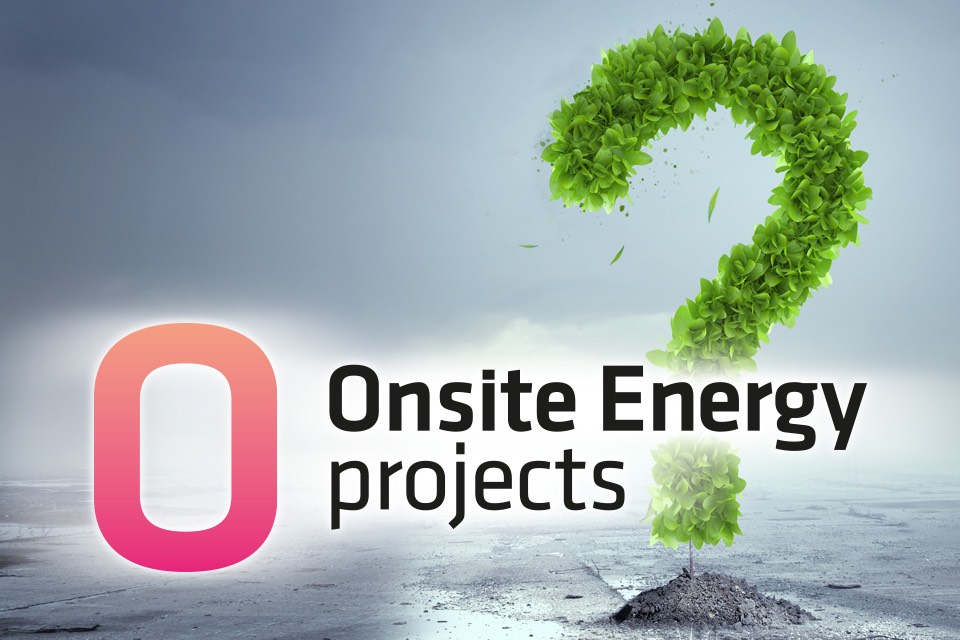
Is NET ZERO possible for heavy gas users?

Achieving NET ZERO emissions is a significant task, made all the more difficult if you use lots of gas for your process (for steam, drying, frying, furnaces etc). Gas is around 5-6x cheaper than grid electricity, so the cost of switching from gas is prohibitive.

This is a challenge I see a lot in all sorts of heat intensive sectors (food manufacturing, glass manufacturing, healthcare, care home etc).  Gas is typically used either for direct combustion or indirectly to produce steam.

In 2008, the electricity grid emitted over 570 g/kWh, and gas is around 180 g/kWh, so gas was “clean”.  In 2019 the grid has reduced to 255 g/kWh, and is tracking down to 130 g/kWh by 2030, with a target of zero by 2050, so gas is becoming seen as “dirty”, as it really hasn’t changed much.

Firstly there are developments happening that may start to decarbonise the grid such as biogas injection and hydrogen injection. You may wish to check how your equipment will run on a mix of gases.  For some it may mean planning to replace or refit equipment.

There are technology alternatives that can be looked at but a lot will depend on the temperature of the heat that you generate using gas just now e.g. furnaces, ovens, steam or hot water.  Also consideration should be given to recovering waste heat and using it to reduce gas consumption.

A relevant consideration is that over 50% of most electricity bills relates to “non-energy” costs.  This is the cost of the grid transformation that is happening including renewables obligations, cost of FITs, use of system charges etc.   If you generate power at your location but can often save a lot of these, which helps bring down the price gap to gas, and reduces the cost of switching.  Also this can enable a different mix of power generation to be considered at the site to re-balance electricity and gas use.

Many of the measures may have a longer payback time though.  How can you do them when the criteria for payback is only, say 2 years ?  This is the reason Onsite Energy Projects exists.  We recognised the challenge of capex availability and can provide a no-capex, off-balance sheet solution to implement both energy efficiency and on-site generation measures.

We may also be able to identify additional improvement measures, and deliver them all without any capex. If you would like to know more email us at info@on-site.energy or call on 0161 444 9989.

Onsite Energy Projects provides energy savings and energy generation solutions to energy intensive businesses, without capex if required.
Do you have a Net Zero strategy?

The UK has become the first major economy to pass laws requiring all greenhouse gas emissions to be net zero by 2050.  The electricity grid is decarbonising (its carbon intensity has dropped by over 50% since 2011 to where it is today – 254 g CO2 per kWh) and is forecast to drop another 50% by 2030.  Grid costs are rising to pay for this transition.

A key lies in the word “NET” because whilst some businesses will struggle to reduce carbon, others could actually become POSITIVE – e.g. generating excess renewable power.  New business models and revenue streams could emerge though

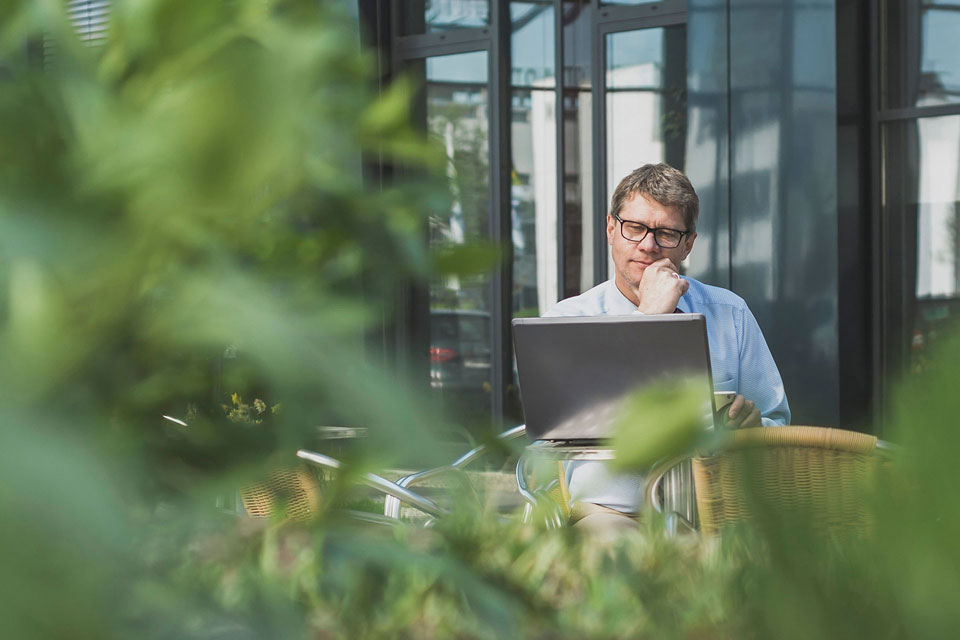
So what does this mean for YOUR business ?  How do you develop a net zero strategy ?

  1. Significant changes will be needed to the way you do business and use energy.The changes could impact how your employees come to work, how you distribute your products, sell your products, procure your raw materials and use your facilities.  Processes may require to be redesigned and reengineered.  This will mean the ability to embrace change, challenge existing assumptions, innovate and understanding of alternative methods and costs

Businesses should be looking NOW at their own operations and looking for ways to BOTH reduce consumption AND generate their own low carbon power locally in a sustainable way.  Simply buying a green energy tariff is not sufficient. There are many very good long term business benefits by embracing this genuinely, which can become a source of competitive advantage.

For businesses that use a lot of gas, this is going to be particularly challenging. Gas is cheap (5-6 x cheaper than electricity), so changing away from gas will be expensive.

  1. Those changes will have financial costs that may not be affordable within conventional capex constraints.New business models such as energy as a service are increasingly available to help bridge the gap, and enable changes to happen.

NET ZERO WILL REQUIRE NOTHING SHORT OF AN INDUSTRIAL REVOLUTION, with new business models and technology, and all within the next 30 years. 

These are the reasons Onsite Energy Projects exists – we help businesses innovate, reengineer their energy supply chain and implement the full potential of both energy efficiency and on-site generation measures.  We recognised the challenge of capex availability and can provide a no-capex, off-balance sheet, solution to make it all happen.

If you would like to know more email us at info@on-site.energy or call on 0161 444 9989.

Onsite Energy Projects provides energy savings and energy generation solutions to energy intensive businesses, without capex if required.

Sustainability Pays: How to take care of the planet and your profits

Being good to the environment is great for your business finances.

Taking control of your own energy needs – using onsite generation and storage – can reduce costs and cut carbon emissions. It will also protect your business from energy supply disruption.    

Download our research report to discover the 4 steps you can take to accelerate your energy sustainability and improve your profits.  

The advantages of using smart technologies in commercial buildings

As the UK Government pledges to reach net zero greenhouse gas emissions by 2050, the urge for sustainable buildings is stronger than ever.

According to the UK Green Building Council, an estimated 40% of the UK’s carbon footprint is attributed to the built environment, half of which comes from energy used in building. Heating alone created 10% of the country’s carbon footprint. 

Yet sustainability is still out of reach for many property owners and managers. Old buildings, small budgets, tenants’ varying needs – there are many factors that make it hard for a property manager to truly measure the sustainability of a building and to act upon any findings.

Considering this, Frankie Bryon, Sustainability Surveyor at LSH discusses why smart technology can help buildings improve on sustainability as well introduce other benefits that include promoting health and wellbeing and enable agile working…

Smart is sustainable
Firms’ sustainability strategies have been a major driver of the rollout of smart technology. By providing more efficient controls over energy usage, it can deliver significant reductions in energy consumption.

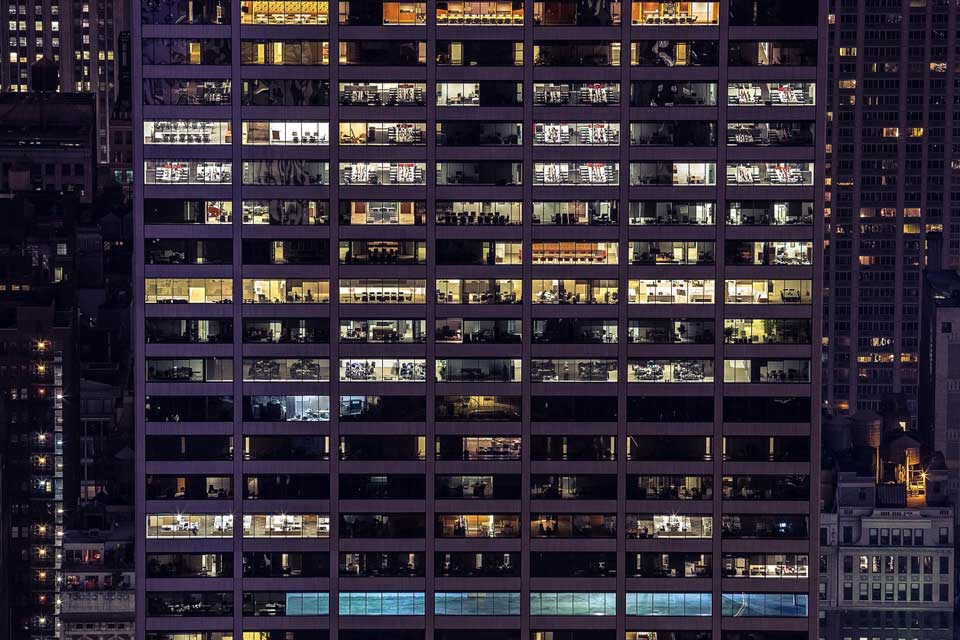
It is no coincidence that some of the smartest office buildings in the world are also rated by BREEAM as among the greenest. Smart systems allow lighting, heating, air conditioning and ventilation to be monitored and adjusted according to a building’s usage and occupation. Energy wastage can be minimised by turning off heating and lighting when an office is unoccupied. Intelligent building facades may also be used to control the heat and light entering the building in response to changing weather conditions.

The next generation of energy efficient smart buildings have their own sources of power generation and some are even able to generate more energy than they consume, with surplus energy going back to the grid.

Workplace wellbeing
Smart technology is increasingly recognised as having an important role to play in promoting health and wellbeing. It can help to create environments that support alert, energised workforce. 

Sensors can monitor air and water quality, light, temperature and noise levels. Issues known to affect workers’ concentration levels such as poor air quality or a lack of natural light can thus be detected and fixed.

More advanced smart office technology can also make use of data from wearable biometric devices monitoring the health and comfort of workers. In fact, research by Instant Offices shows 45% of the UK workforce would feel comfortable with sharing information via wearable devices for the purpose of protecting their health and wellbeing. 

Ambient conditions can be adjusted when workers show signs of discomfort, or an individual’s immediate working environment can be changed according to their personal preferences.

Work smarter

Sensors, smartphones or wearable devices may collect data monitoring environmental factors such as temperature, light, air quality and noise, as well as data on employees’ usage of the building.

The data collected can deliver building managers with actionable insights on how to improve a building’s performance, or it may feed through to automated systems controlling the office environment. With smart technology continually evolving, it is being used to support an increasingly wide range of applications, providing multiple benefits to building owners, investors, occupiers and employees.

Enabling agile working
Smart technology is providing occupiers with a better understanding of who uses the office at any given time, how they work and with whom they collaborate. These insights can enable increasingly agile, flexible working.

Some of the newest generation of smart buildings have fewer desks than workers. Instead, employees may reserve a workspace using an app, with a choice of spaces depending on whether they would prefer a collaborative workspace, private meeting area or a quiet space.

Smart systems may thus facilitate a move away from the convention of employees ‘owning’ a desk, which then goes unused for periods when they are out of the office. Flexible workspaces can be used more efficiently and may be continually adapted to changing employee demand and new work styles.

Improving workplace experiences
As well as enabling desk and room bookings, workplace apps can also be used to order food and drink, book gym sessions or reserve parking spaces. They may allow employees to control ambient settings, as well as providing new ways of connecting and collaborating with colleagues.

Workplace apps are thus developing as important interfaces between employees and office buildings, giving individuals greater control over their office experience. This will help to align the modern office with the expectations of a younger workforce for whom smart technology already plays an integral part of their lifestyles outside of work.

The benefits of being smart
Overall the advantages that smart offices offer are in terms of the following:

  • Sustainability
  • Employee wellbeing
  • Agile working 
  • Workplace experience

Smart offices also aid talent attraction and retention, by creating spaces in which people want to work, while appealing to workers’ environmental values. Modern, sustainable offices can help to reinforce a company’s brand values and define a progressive, forward-thinking corporate culture.

Image by Free-Photos from Pixabay

  • 1
  • 2