FM Archives - Page 2 of 7 - Facilities Management Forum | Forum Events Ltd
Posts Tagged :

FM

Planon’s Richard Bellairs on the impact of smart building technology and more

Planon’s Solution Product Marketeer Richard Bellairs (pictured, right) and his colleagues recently hosted a webinar, ‘The impact of smart building technology on the future of work’. Here FM Briefing talks to Richard about the themes and issues covered in the webinar, along with wider industry opportunities and trends…

Tell us about your company, products, and services.

Planon is the leading global provider of Smart Sustainable Building Management software. This means we connect buildings, people, and processes. We generate unique insights for decision makers and reduce costs by automating facility management processes.

Consistently rated as the global leader in our field by independent market analysts, we have over 2,500 customers, and an extensive partner ecosystem around the world.

What have been the biggest challenges the FM industry has faced over the past 12 months?

The past 12 months have arguably been the most challenging period ever for the FM industry. Only a year ago we were managing our facilities according to various COVID protocols. As those requirements moved away, we faced uncertainties about the number of people returning to work in our buildings. We have a serious skills shortage. Many people left the profession during the pandemic, and it’s hard to replace them. And now, as we need to adapt workplaces to meet the needs of hybrid working models, high inflation and interest rates are putting the brakes on investment.

Energy bills are rising and so today’s big question for FM professionals is: how do we strike a balance between efficiency and workplace experience? The cheapest, most sustainable office is a closed one, but we must facilitate and stimulate the kinds of interpersonal relationships and interactions we’ve missed during the lockdowns of the last two years.

And what are the biggest opportunities?

The great thing is that everyone now accepts that we must make changes. There is more agreement that the changes FM professionals pushed for in the past are not just ‘nice-to-haves’, but important contributors to successful organisations. Senior managers see the value in providing a great work experience to attract and retain the best staff.

And while doing this we can transform workplaces to be more sustainable and energy efficient.

The biggest opportunities are:

  • To work alongside HR, developing an integrated approach with FM as a key component in delivering a word-class employee experience.
  • To configure and design spaces to suit different and changing tasks, work styles, preferences, and user demographics. 
  • To use technology to capture data and analyse how buildings are really used, to detect opportunities for energy saving, without harming the office experience.

What will be the biggest priority for the FM industry in 2023?

Without people we don’t have an industry, so the biggest priority must be to invest in our human capital. Retain great people and invest in their training and personal development. Recruiting people into the industry is difficult now, so we need to promote how FM can offer a rewarding career path.

What are the main trends you are expecting to see in the market in 2023?

On the one hand, the uncertain economic climate will bring the primary focus back to efficiency and energy savings, so I think the main trends will be related to doing more things better, with fewer resources. This means smart building analytics and process automation will grow in importance during 2023. On the other, more on the soft side – our society is changing – for example, Diversity, Equity & Inclusion (DEI) becomes more established and so is our population of co-workers. This will lead to different workstyles, preferences, and behaviours we’re expected to enable.

What technology is going to have the biggest impact on the market this year?

There is a vast array of technologies used by the FM sector. And it’s not necessarily the newest technologies that will have the biggest impact. If I think about the opportunities, priorities and trends already mentioned, then the time has come for easy to use, cloud-based systems that gather data and make it available for FM teams to make the best decisions, automate daily operations, and provide an optimum experience for building users. I think the latest generation of CAFM/IWMS systems will have the biggest impact.

In 2025 we’ll all be talking about…?

Nuclear fusion. The world needs this to meet its energy needs.

Which person in, or associated with, the FM industry would you most like to meet?

It’d be great to meet Neil Usher, Chief Workplace and Change Strategist at GoSpace 

What’s the most surprising thing you’ve learnt about the FM sector?

The FM sector is about people using spaces. The cogs of FM are turning in the background of almost everything people do. What surprises me is how most people outside the industry don’t realise the importance and impact of the sector.

You go to the bar at the Facilities Management Summit – what’s your tipple of choice?

Gin and tonic.

What’s the most exciting thing about your job?

Seeing new customers adopt the technology we bring to market.

And what’s the most challenging?

Identifying where to invest our budget to deliver the greatest value to customers.

What’s the best piece of advice you’ve ever been given?

Always make sure your belt is the same colour as your shoes.

City or United?

City 🙂

Richard and his colleagues recently hosted a webinar, ‘The impact of smart building technology on the future of work’. Click here to watch the recording.

5 Minutes With… Garland UK’s Ben Whitemore

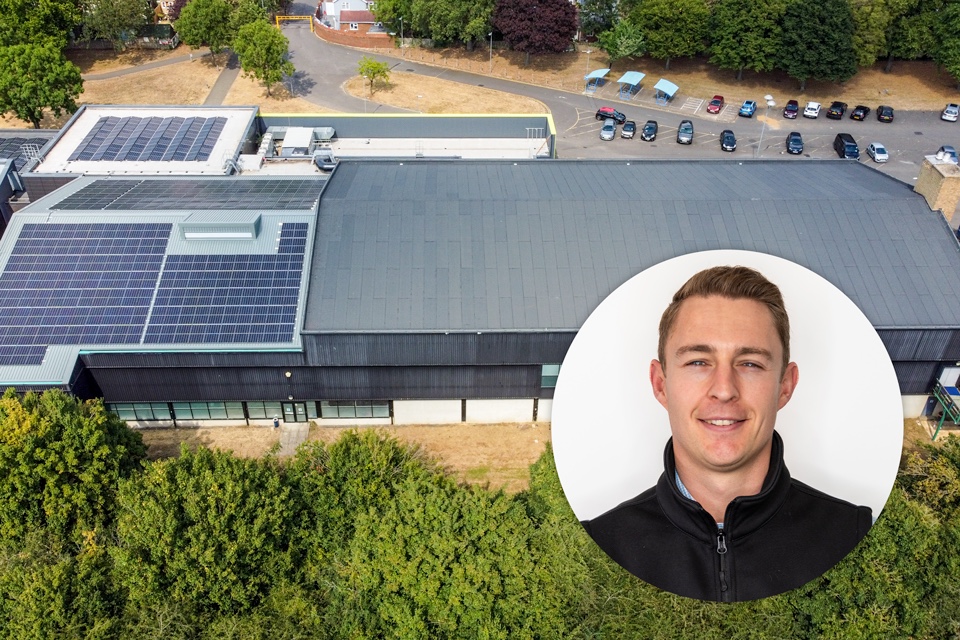
For the latest instalment of our FM industry executive interview series, we spoke to Ben Whitemore (pictured), Technical Product Manager at Garland UK, about the roofing challenges faced by facilities managers and how sustainable roof systems can help meet environmental targets… 

Tell us about your company and services

Garland UK manufactures high-quality roofing and waterproofing systems for the commercial, residential, industrial and public sectors. We partner with facilities managers, surveyors, and architects to deliver proactive and long-term waterproofing solutions for all roofing assets. For over 20 years now, our Technical Managers have developed partnerships with over 4,500 private companies, education estates, NHS Trusts and councils across the UK as a single point of contact for each customer.

What have been the biggest challenges the FM industry has faced in recent months?

In recent months we have seen a fundamental shift in conversations around sustainability and how we can make our buildings more sustainable. We’ve seen the FM industry respond to increasing government regulations and ensure their organisation’s environmental initiatives are met.

The energy crisis has put significant pressure on facilities managers, stretching budgets to tackle these issues, making budgetary planning a real challenge. At the moment, our conversations with FM clients revolve heavily around reducing operational carbon and how we can improve the thermal efficiency of their buildings and generate renewable energy at scale through solar PV roof installations.

What are the most prominent roofing challenges for commercial buildings?

The obvious roofing challenges are around maintenance, with water ingress, standing water and blocked gutters, to name a few. However, one of the most significant roofing challenges we have at the moment is ensuring sustainable roofing systems are fully utilised to help reduce commercial buildings’ embodied and operational carbon impact on the environment.

What solutions can help FMs overcome these challenges?

We always recommend a life cycle costing assessment which allows for the total cost of a given roof project or roofing component to be analysed over its life cycle. It provides an easy and accurate comparison for FMs to review against alternative options for new build and refurbishment projects.

When comparing sustainable roofing systems, such as 100% recyclable metal roofs, green roof systems or even water management blue roofs, our clients can see the cost savings that a long-life system can bring to overall building management and helps to encourage a more robust maintenance program.

You mentioned reducing operational carbon; how can roofing make a difference?

The energy savings that can be achieved through a more insulated roof or a green roofing system can realise immediate environmental benefits and reduce carbon emissions. Installing a renewable energy system, like solar PV, is a brilliant way to reduce operational carbon and the need for fossil fuel consumption and lower your energy bills. We’d always recommend carrying out a Solar Yield Analysis to see what kind of kWh yields are generated, annual carbon emissions avoided and the return on investment, which can be in as little as 4 years.

WEBINAR: From Pain to Profit – How to Deliver Supply Chain Value in FM

Join Alcumus and Mitie in their on-demand webinar as they discuss how to deliver supply chain value in Facilities Management.

In order to compete effectively in the dynamic facilities management (FM) sector, organisations need to take a more proactive approach to identifying, controlling, and limiting risks across the supply chain. As demand for FM services continue to pick up, and with a CAGR above 4.5% during 2022-2027, having the ability to deliver high-performing environments without compromising on safety, sustainability, or ethics is a must.

Alcumus already partners with four of the five largest global FM companies, helping them to reduce risks and manage both anticipated and unanticipated events in the supply chain. This session is designed for facilities management sector leaders on delivering unique value to your existing and prospective clients by efficiently achieving supply chain compliance.

During this on-demand webinar you’ll hear from Industry experts Gemma Lynch, VP of Strategic Accounts at Alcumus and Mark Hughes, Group Quality & Assurance Director at Mitie as they discuss:

– Why growing supplier risk exposure is influencing FM provider selection criteria

– How to demonstrate control and compliance of suppliers

– Operational challenges that may stall strategic sourcing initiatives

– How to quickly adapt to changing regulations and business needs

– Proven initiatives for gaining supplier buy-in and transparency

– Winning strategies

Watch the on-demand recording here.

Integrated FM market to hit $94.2bn this year

The global integrated facility management market is expected to grow from $87.86 billion in 2021 to $94.18 billion in 2022, equivalent to a compound annual growth rate (CAGR) of 7.2%.

Furthermore, the new data from ResearchAndMarkets predicts the market will grow to $119.55 billion in 2026 at a CAGR of 6.15%.

North America was the largest region in the integrated facility management market in 2021. Asia Pacific is expected to be the fastest-growing region in the forecast period. The regions covered in the integrated facility management market report are Asia-Pacific, Western Europe, Eastern Europe, North America, South America, Middle East and Africa.

The report says increasing development of sustainable infrastructure is driving the growth of the integrated facility management (IFM) market, due to the ‘need for enabling economic and social development, as well as environmental sustainability while preserving human fairness, variety, and natural system performance’.

The integrated facility management follows a unique process to make structural, architectural, and operational changes in buildings to reduce the negative impact on their occupants and the environment. For instance, according to The New Climate Economy, a flagship project of the Global Commission on the Economy and Climate, the world is expected to invest $90 trillion in sustainable infrastructure by 2030. These investments are crucial to boosting the economic growth in emerging markets and developing countries in addition to fighting against climate change.

Furthermore, the Organization for Economic Co-operation and Development (OCED) predicts that an annual average investment of $6.9 trillion in sustainable infrastructure is required until 2030 for global development. Both instances indicate the increased development of sustainable infrastructure globally. Hence, the increasing sustainable infrastructure development will propel the growth of the integrated facility management market.

Th report says Technological advancements such as artificial intelligence (AI) are being implemented into integrated facilities management solutions to enable optimum space management. The AI-based technologies employ computer systems to do complex activities formerly performed by humans by their functionalities such as speech recognition, visual perception, and decision making. These tools can gather, store, and analyze large data sets in seconds, enabling facility managers to be more proactive in asset performance management, and send an automatic update in case of issues.

These tools replace many monotonous and time-consuming facility management duties. Key players are focusing on offering AI-based integrated facilities management solutions to strengthen their market position. For instance, in January 2020, the American multinational technology corporation IBM incorporated artificial intelligence (AI) into its TRIRIGA solution to assist real estate and facilities management professionals in better use of office space and provide a more engaging work environment.

One of the world’s top integrated workplace management systems TRIRIGA includes TRIRIGA Building Insights, as well as integrates occupancy data from WIFI and/or IoT sensors with freshly incorporated AI. It helps firms and facility managers gain insights into how more effectively they can utilize space across their enterprises.

5 Minutes With… Infogrid’s Rupert Lane

For the latest instalment of our FM industry executive interview series we spoke to Rupert Lane (pictured), Global Enterprise Solutions Consultant at Infogrid, about SaaS in the sustainable built environment, the importance of workplace health & wellbeing, the power of AI when it comes to HVAC efficiencies and more…

Tell us about your company, products and services.

Infogrid is a global leader in building intelligence committed to making the built environment more efficient, sustainable and healthier through smart technologies.

Infogrid’s AI-powered SaaS platform collects, combines and analyses millions of data points from buildings through best-in-class IoT sensors, delivering real-time intelligence for the commercial real estate and property sector.

We focus on three areas – Healthy Buildings (tenant / occupier experience), Efficient Buildings (maintenance and service) and Sustainable Buildings, but the last is really a green thread that runs through all our solutions, breaking down silos across the industry.

Our philosophy is Simple, Affordable, Scalable and Sustainable. In order to have the maximum positive impact on the planet, we need to be easy and cost-effective to install across whole portfolios, not just flagship HQs.

What have been the biggest challenges the FM industry has faced over the recent months?

As we emerge from lockdown and the positive sense of urgency from COP26 (ahead of rising regulation), the industry has been tasked with all sorts of new responsibilities that have not previously been in its wheelhouse – suddenly, we need to be experts in Workplace Experience, Sustainability, remote monitoring and using technology to conduct tasks that have been done manually for decades. 

It’s no longer just about keeping the lights on (literally), but delivering a full service FM on all the real estate topics of the day, amidst a labour shortage (heightened in the UK due to Brexit), water shortages, labour and energy cost inflation, thereby needing to work with technology to accelerate the change, whilst being assailed by a myriad of new technologies.

Dr Joseph Allen is often quoted as saying, your building manager has a greater impact on your health and well-being than your personal doctor’, and we’re trying to provide these services at a time of economic uncertainty. Infogrid’s solution can help across the broad remit of these challenges, providing a single pane of glass on your most critical issues.

What are the biggest challenges when monitoring water quality in commercial real estate?

The majority of water safety monitoring tasks are manually intensive, with a heavy compliance reporting requirement, to ensure the safety of occupants in complex buildings. They result in huge amounts of water wastage, tonnes of CO2 emissions from heating water unnecessarily and journeys to remote sites and poor reporting of compliance through handwritten logbooks. Infogrid’s solution can remove unnecessary flushing and journeys to sites where water safety is being remotely monitored 24/7 resulting in significant cost, CO2 and time savings, while ensuring greater compliance and live alerts should any issues arrive, enabling proactive responses.

What solutions do you think can help the FMs overcome these challenges?

Infogrid’s range of IoT solutions enable FMs to perform at their best. Imagine a world where all the manual, low value add tasks were monitored remotely, without the need for time-intensive journeys or energy-consumptive manual actions, and all the reporting was available live, 24/7, without the need for reams of paper stored in folders. Imagine a world where with the time saved, you could put your team to task on the high value add activities that will actively improve our buildings’ health, reduce CO2 emissions, retain and attract talent and retain happier clients, sharing financial and green ROIs. This is the world that Infogrid enables through simple to install SaaS solutions that can be viewed from anywhere, automating processes and reports and enabling proactive facilities management.

You mentioned data and AI platform can be used as a solution. Explain what the technology is?

The end-to-end solution is designed to be simple, affordable, scalable and sustainable. This means that it can be swiftly retrofitted to any building and deliver immediate ROI through live data. Once installed, Infogrid can correlate data from different sources, through a combination of Data Science and AI, to deliver impactful recommendations or alerts that enable an intelligent understanding not just of each building, but of your entire portfolio. 

For example, understanding occupancy alone is a simple data point, but looking at occupancy trends through time can enable a smart cleaning rota, staffed appropriately for peaks and troughs, with the ability to be reactive. Yet, add an understanding of the air quality and the HVAC’s energy consumption, and you can address whether or not you can reduce the HVAC’s energy costs and CO2 emissions, because you have low occupancy and good air quality…and then you can compare the performance of all the buildings in your portfolio to decide which are the least efficient or desirable to work in…and make data-led decisions about property rationalisation.

How can this technology automate and optimise parts of a FM’s role? 

Firstly, the solution either removes or significantly reduces low value add laborious tasks. The reporting functions can then replace existing disconnected excel spreadsheets or hard copy log books, through live, online reports and dashboards (which can be downloaded). Alternatively, any alerts or reports can be pumped directly into a CAFM, IWMS or other end point simply through the API, enabling integration into work ticketing systems or as a standalone solution, depending on the user’s needs – it’s flexible.

Looking ahead, the solution’s recommendations are able to steer the facilities manager to making adjustments on the plant in the building which optimise the building’s performance and their time allocation to high value add activities.

What are some examples of how buildings can be made more efficient? 

From my experience helping hundreds of facility managers across the UK, buildings of any age can be retrofitted with an AI smart building platform powered by IoT sensors to make them more efficient. Buildings can save hundreds of hours of flushing time and hundreds of thousands of litres of water. We had the honour to work with multiple NHS Trusts. The results our Efficient Building System has achieved for the NHS have been amazing. Per 100 sensors install, we deliver costs saving of £21,000 (£73,600 for acute wards), Labor savings of 81% of time saved (91% for remote sites), Water savings: 310,000 litre (1,085,200 for acute wards), Energy savings: 430,000 KwH (1,505,700 for acute wards), CO2 savings: 440,000 Kg (15,551,700 for acute wards). 

Another example is how buildings can be cleaned more efficiently and productively. Our FM client was finding cleaning to be inefficient, wasteful of cleaning resources, and high in unnecessary labour costs. By deploying door monitoring sensors on 107 toilet cubicles across the building, staff could understand how many people were using the facilities and when. The system, for example, told them that cubicles on the top floor were used much more frequently than other floors. Our client used the Infogrid system to make their cleaning patterns more efficient. They were able to reduce cleaning times by 30% in low occupancy areas and by 20% in areas of high occupancy. This is equal to 525 hours saved per building, per year.

This technology can even be fitted to make historical buildings more efficient. The Royal Opera house uses cooling fans to manage heat from lighting equipment. This generates condensation and leaks, which poses a significant risk to the building and the precious artifacts housed within them. Managing this risk requires twice daily manual checks. We deployed Leak Detection Solution to provide always-on leak and humidity detection with alert capability to supplement the existing BMS system and visual checks, by providing detailed info on cooling and leaking. They are now saving 650 labours hours each year on leak detection.

What steps can organisations take to improve water safety and quality? 

The route to improving safety is through data-led management of your water system. If you know what’s going on, anywhere on the system at any time, you can proactively head off challenges such as lesser used outlets, especially around vulnerable people in the healthcare system. This also enables you to proactive improve the performance of your critical water assets, such as calorifiers or pumps, through active maintenance, or rectify issues swiftly through reactive alerts. Trusting in 24/7 data will greatly improve your awareness of your water system and ensure greater compliance and reduced risk.

What is an FMs role in Legionella (L8) testing? 

Typically, an FM will need to ensure that the sites identified in their LRA (Legionella Risk Assessment) or SoC (Scheme of Control), as designated by their Water Auditor, are passing the regulatory flushing and temperatures required of HSG274 (Part B). This requires the maintenance of a schedule of taking temperatures manually and flushing taps and water assets throughout their buildings to ensure that temperatures are maintained at the right levels and that water does not remain stagnant, where bacteria may develop. Should any temperature or water flow issues arise, it is up to them to mitigate the risk through enhanced flushing, resolving the temperature issue (e.g. fixing a calorifier) or adding chemicals. Another side effect of the role, increasingly in focus post COP26, is the need to ensure no energy or water is needlessly wasted. Thereby, understanding if a calorifier is over-active/heating and if water is being needlessly flushed is just as important now as ensuring they meet the regulatory requirements.

WEBINAR REWIND: The impact of smart building technology on the future of work

Don’t worry if you missed this month’s fantastic Planon webinar addressing the trends and issues within the smart building technology space – You can now re-watch the entire session online.

The nature of the workplace continually adapts to the needs of society and business. Hybrid working models, employee experience and engagement are today’s top priorities. Employees now expect to be able to decide where, when and how they work. So facility managers and workplace professionals need to offer a flexible and human-centric workplace.

How can you facilitate such a human-centric office that meets the needs of employees and helps to attract the best talent for your business? In the webinar Planon’s smart workplace experts:

  • Give you an overview of the latest trends in the world of workplaces, and today’s workplace management challenges
  • Examine the changing role of facility managers and workplace professionals in creating a human-centric office
  • Explore how to gain insights to make smarter, data-driven decisions relating to workplace management
  • Showcase how smart building technology helps in creating a smart workplace that enhances the workplace user experience

The speakers include Solution Director Bram Aarntzen, Solution Product Marketeer Richard Bellairs and Solution Services Specialist Rebecca Dean.

Click Here To Watch Again

WEBINAR: Register for free and join the discussion with Alcumus and Mitie

Discover how to deliver unique value to your existing and prospective clients by efficiently achieving supply chain compliance with industry experts Gemma Lynch, VP of Strategic Accounts at Alcumus and Mark Hughes, Group Quality & Assurance Director at Mitie.

To compete effectively in the dynamic facilities management (FM) sector, organisations need to take a more proactive approach to identifying, controlling and limiting risks across the supply chain. As demand for FM services continue to pick up, and with a CAGR above 4.5% during 2022-2027, having the ability to deliver high-performing environments without compromising on safety, sustainability, or ethics is a must.

76% of businesses operating in the property/facilities management sector are looking to improve how they manage supplier pre-qualification processes in the next two years.

Are you satisfied with the current way of evaluating, monitoring, and managing your suppliers?

Alcumus already partners with four of the five largest global FM companies, helping them to reduce risks and manage both anticipated and unanticipated events in the supply chain.

Register for this webinar and learn:

  • Why growing supplier risk exposure is influencing FM provider selection criteria
  • How to demonstrate control and compliance of suppliers
  • Operational challenges that may stall strategic sourcing initiatives
  • How to quickly adapt to changing regulations and business needs
  • Winning strategies from Mitie

Save your spot here

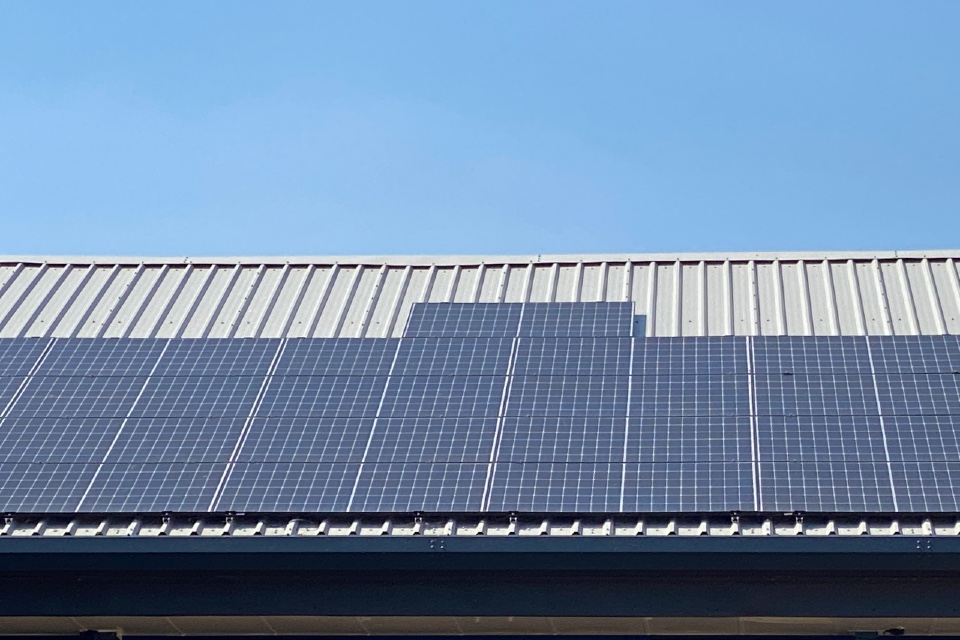
Can solar help you save on electricity bills?

Photovoltaic (PV) solar energy systems present a significant opportunity for facilities managers and landlords to offer value to their tenants and occupants.

Garland UK discuss how a solar installation is a proven way to save money on electricity bills with a fast return on investment whilst reducing operational carbon across entire portfolios, helping to bring properties into line with current standards and add value to your assets…

Reason For Investment

Solar PV systems are one of the most advanced renewable energy technologies and by far the most advantageous for facilities managers to consider. As soon as they are installed, you immediately start to benefit by saving money on the operational running costs of your building, seeing a reduction in the amount of power required from the national grid, which is becoming increasingly more expensive.

Solar PV has the fastest return on investment of any onsite renewable energy generation, potentially in as little as 2 years and typically within 5 years. Ground source heat pumps, for example, usually take around 12 years.

Modern solar PV panels are built to last; for example, Garland UK’s Solarise system will still generate at least 80% of the initial output 25 years after installation, ensuring continued benefits for years to come.

Solar Yield Analysis

On a recent Garland UK project, a 52,000m2 commercial building was looking to significantly reduce its energy bills and operational carbon footprint.

Following a detailed assessment, it was discovered the business would benefit from a return on investment in just 2 years, seeing 21.8 tonnes of carbon emissions negated annually.

A series of yield calculations were carried out to see how solar PV could reduce the building’s electricity dependency on the national grid and operational carbon even further, the results of which are shown in the table below:

PV System Yield Analysis
PV Generator Energy 46,412 kWh
Direct usage by Business 38,500 kWh
Grid Feed-In 7,912 kWh
PV Installation Cost £37,665
First Year Cost Saving On Energy

(based on current energy costs)

£22,613
Return on Investment 2 Years
CO₂ Emissions Avoided 21.8 tonnes per year

Reducing Energy Bills With Solar

It is important to work with a supplier partner who can clearly evaluate your building assets for a potential solar PV installation. At Garland UK, a local Technical Manager will carry out a free site survey to assess the condition of your roof assets and complete a Solar PV Yield Analysis, which will provide:

  • Expert advice on selecting the most suitable system for your business
  • Guidance on how much power your site needs
  • Annual renewable electricity generation
  • Annual carbon emissions that can be negated
  • Clear return on investment and financial analysis
  • Support with Super-Deduction Tax or Financing options

To arrange a free consultation and Solar Yield Analysis for your roof assets, speak to Garland UK today.

www.garlanduk.com

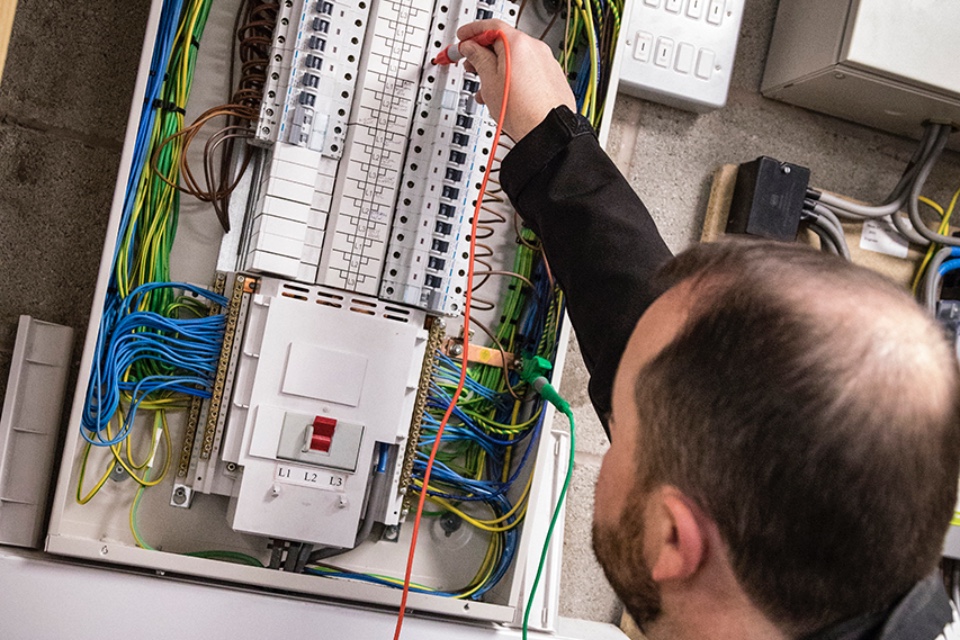
Delaying fixed wire testing could cost businesses thousands

Businesses run the risk of legal cases and thousands of pounds worth of fines for neglecting their fixed wire testing, says one of the UK’s leading compliance companies.

phs Compliance, which provides facilities management and compliance services across the UK, says that many businesses are not keeping up with their requirements to regularly test and inspect their electrical equipment, especially electrical installations that requiring fixed wire testing.

Darren Blackbird, Sales Director for phs Compliance, said: “This is a challenging time for many businesses, but if you neglect your basic health and safety obligations you are putting your employees and the business at serious risk.

“The Electricity at Work Regulations 1989 state that all electrical equipment in the workplace must be suitable for use and maintained to ensure it is safe, so if a business cannot demonstrate that they are regularly checking and maintaining equipment, they will land themselves in hot water.

“Fixed wire testing, carried out by a professional, is the best way to ensure compliance and have peace of mind that your equipment is safe to use and that you are protecting your employees. And you can prove it!

“Fixed wire testing inspects and assesses an electrical installation’s main electrical wiring system to ensure it is safe to use and complies with  the current version of the British Standard BS 7671. It will identify any overloads, hazards or defects that could cause a fire or injury.

“An electrical installation includes any fixed electrical equipment that is supplied through an electricity meter, including main panels, distribution boards, cables, accessories (like sockets, switches and light fittings), circuit breakers, and residual current devices (RCDs).”

“It is recommended that electrical checks are conducted on an annual basis to ensure compliance. The easiest way to remember is to ensure electrical installations form part of your general workplace risk assessments and to schedule tests in advance.

“Most electrical installations require testing every one to five years, depending on the type of electrical installation, how often it is used and the environment it is in. It’s always best to consult an experienced professional like phsCompliance who can advise on your specific workplace and equipment.”

phs Compliance provides a free Guide to Fixed Wire Testing in the workplace on its website.

With over 50 years’ experience, phs Compliance is one of the UK’s leading providers of facilities management and compliance services. As well as electrical, mechanical and fire safety testing and maintenance services, phs Compliance also provides specialist electrical and mechanical project services, including design, supply and installation for everything from power to lighting.

Could you recognise a sudden cardiac arrest?

By ZOLL Medical

When someone suffers sudden cardiac arrest (SCA), their chance of survival decreases 7 to 10% for every minute without CPR and defibrillation. Early recognition of the signs of SCA is critical to helping save more lives. According to the latest European Resuscitation Council Guidelines, immediate initiation of CPR and defibrillation can double or triple survival rates.

Learn about the signs and symptoms of sudden cardiac arrest, so you’re prepared to help save a life. Download the poster, “Do You Know the Signs and Symptoms of Sudden Cardiac Arrest?” to learn more.

DOWNLOAD THE POSTER:

Could you recognise a sudden cardiac arrest? | ZOLL Medical