Forum Events Archives - Page 2 of 2 - Facilities Management Forum | Forum Events Ltd
Posts Tagged :

Forum Events

Forum Insight: Tactics to improve your email marketing campaigns…

Although many in the marketing profession have publicly declared the platform of email to be a thing of yesteryear, it’s still evident that a majority brands and sales departments are keen to adopt an effective strategy that will connect an audience and spread the intended message.

Taking a standard template, filling in the blanks and hitting send is easy for anyone to do; but that’s not how you grow a business. It’s crucial to put some thought into developing a solid strategy, or even better, replicate an effective process that has gained a substantial amount of traction, and make solid improvements over time.

Every email campaign should have one goal in mind: don’t overwhelm your audience with too much information. You want to create a campaign that is easy for everyone to read and navigate; as well as ensuring all the appropriate information and links are included.

The day you choose to send out a campaign can also greatly impact the amount of traction gained. According to marketers, Tuesdays, Wednesdays and Thursdays tend to be the best days to send emails.

Although a template will more than likely be replicated for every campaign, emails should still look personal to the individual. Avoid decorative HTML designs; make sure emails appear to be written and sent by a real person to increase loyalty.


Subject line tips:

The subject line you decide to go with will undoubtedly be the most important part of your email. It’s just a few words; but you should dedicate as much attention and care to your subject line as you do to the email body. If it doesn’t attract interest, it won’t get opened.

  • If appropriate, use a reader’s name.
  • Make the subject line as inviting and personal as possible. The more personal the subject line, the higher the open rate.
  • Experiment with attention-grabbing questions as subject lines.
  • Always deliver in your email what you promise in your subject line.
Forum Insight: The essential client meeting checklist…

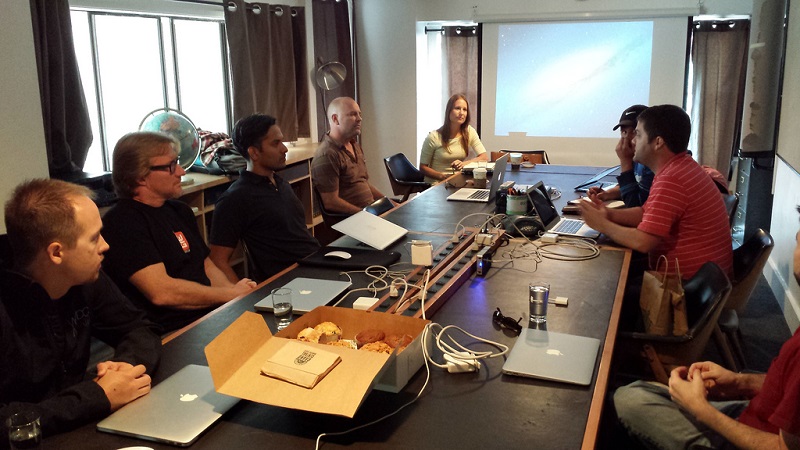
A well prepared face-to-face client meeting can create a significant impact on the quality of existing and new business relationships; as well as vastly increasing the value of a company in the long term.

Conducting client meetings is also a viable solution to sustaining business longevity which, is primarily determined by the loyalty and commitment of its customer base. Therefore, by following our essential checklist, a strong focus on hosting productive client meetings could turn out to be the one of best investments you will ever make in your business…

  1. Do your homework

It’s worthwhile to spend some time researching your clients’ business: their strengths, weaknesses, competitors and challenges. Gathering as much information as possible before your meeting will give you the much-needed confidence to hold a strong conversation and proactively suggest appropriate solutions.

  1. Plan your meeting

Particularly at a Forum or Summit, it’s likely you will only have around 20 minutes to make a bold first impression, so don’t waste it! Make sure to rehearse answers to any potential questions you feel the client may ask, and you’ll then be ready to overcome any obstacle.

  1. Focus solely on the client

Your last meeting went really well, and the client has given you a brief. Put that meeting to one side – you already have a date set for the next contact. Don’t neglect the client sitting in front of you; their potential contract could be bigger than the last and it crucial to keep this focus. If the clients purchasing requirement is good enough for them to travel to the Forum, then the sales opportunity is good enough for you to give them your undivided attention.

  1. Watch your body language

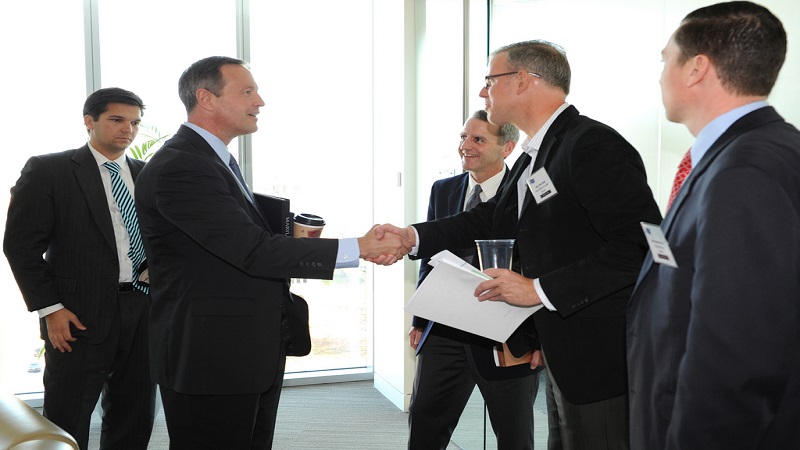
Get it wrong and it will be a deal breaker. Be immaculately dressed; firmly shake hands and pay attention to how you sit or stand. Strategically plan your coffee breaks; don’t leave your stand five minutes before your next meeting – they may be five minutes early! Inevitably, first impressions always count, so talk to them like you mean it. Be enthusiastic about the things you are talking about; listen to what they say and ask as many questions as you can.

Forum News: 5 successful negotiation tips to implement at industry events…

Making the most of any time spent out of the office, and ensuring the meetings you partake in are as effective as possible, involves the expert ability of negotiation, which can make the difference between triumph and disappointment with what you set out to achieve.

  1. Look, Listen & Learn: If you talk too much, you won’t learn anything. Be the investigator – ask lots of open ended questions. Allow the other party to talk; then all you have to do is sit back and take notes to help with your decision.
  1. Be assertive: Ask for exactly what you want. Differentiate being assertive and aggressive; it’s getting to the point more quickly and looking after your business needs. Challenging everything is fine too. We all know both parties need to negotiate to formulate a win/win situation; however there are scenarios when companies really are just looking for a higher ‘cut’ rather than a long term profitable partnership, so it’s best to challenge everything to ensure you are getting the very best deal.
  1. Preparation is king: Have you thought about everything you need before you enter the negotiation as well as what the other party may be looking for? You can’t possibly make accurate decisions without fully understanding both sides of the agenda.
  1. Convey optimism: Entering any negotiation is an exciting process, so it’s important to show that you’re excited and be positive about the transaction. People who are optimistic, usually achieve more by expecting more. Suppliers would ask for more than they expect to receive and buyers offer less than they are willing to give – that way everybody walks away happy with the end result.
  1. No need to rush: The best negotiators most likely own the distinctive patient gene. If you rush your meeting, planning or negotiation, this is when mistakes will be made. Be flexible with time and if any steps to the negotiation are hurried, concessions will be made and the deal left on the table.


To utilise these tips, contact the team to discuss your attendance at next year’s Facilities Management Forum on January 30 & 31, 2017.

Forum News: The hidden costs of exhibiting at trade shows…

Without the knowledge of other costs involved, the £2000 stand you’ve just booked at your industry trade show looks like a really inexpensive way of generating new business. But is it really justifiable?

Assuming you have just bought a stand and shell scheme, you will still need to consider the following costs:

  • Show services such as lighting and electrics. These facilities are often controlled by the event organisers and can be costly. Also add on furniture hire, even carpeting. Estimated cost: £500-£1000.
  • Then there’s transportation, moving the whole stand together with any literature and other equipment, all will need to be transported to and from the show with another £500 added on to the bill.
  • Paramount to any trade show exhibition is advertising and other promotional materials which can amount to more than £1000. It’s all very well having a lovely brochure, but be aware of the cost of handing them out.
  • Once the stand and everything else is up and running, your staff will need feeding. Five staff members with breakfast, lunch and dinner over the average three days is not cheap.
  • When the exhibition is finally over, the charges keep on coming with clear up costs. Make sure you take your rubbish and leftovers with you or you may well get charged; and if your site is damaged in any way, it will more than likely result in an invoice.
  • Making sure you acquire an adequate insurance policy, not only for your goods on display, but also liability insurance should anyone hurt themselves while on your stand is crucial. And that’s not cheap either, with an expected £150 or more price tag.
  • You’re not finished yet; personnel is considered as one of the biggest costs of an exhibition. In addition, the extra £1,000 an employer will have to pay staff for longer hours, other costs such as accommodation, food, travel and parking also come into the equation.

Look at all the leads we’ve got…

The mountain of business cards you’ve collected; the dozens of quotations you were asked to supply after the event; the hours of organising them and calculating estimates; these are time consuming – as is following them up.

Then there are the decision-makers you met, or were scheduled to meet. Did they even show up to the event? If they did bother to put on an appearance, did they find your booth; did you get the chance to sit down and talk?


Forum News: 10 ways to succeed at networking events…

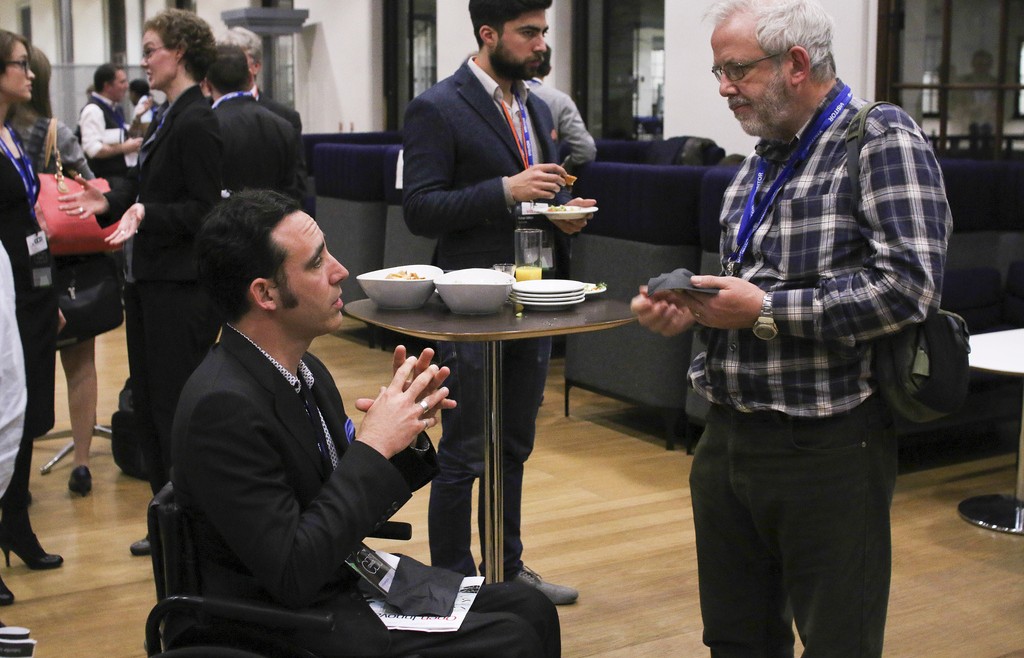
Walking into an event room full of people you don’t know can be a scary experience. However, there are proven ways to conquer this fear and make networking an enjoyable and a useful process to do business. Here, we share 10 of the best practices to eradicate those networking nerves.

1. Plan ahead: Try to obtain the attendee list in advance and highlight the people you would like to meet. On arrival, contact the event organiser and say who you are trying to connect with. If they get the chance, an introduction between yourself and the other party will be made upon arrival. It might also be beneficial to go to the registration area to ask if one of your selected visitors has arrived.

2. Get there early: If you are one of the first to arrive, it is much easier to strike up a conversation with a small group of people.

3. Most people are in the same position: If you do not know anyone else attending, it’s good to prepare a few opening questions: ‘Any particular presentation you’re looking forward to hearing today?’; ‘What brought you to this event?’

4. Join a group: Approaching a group of attendees already in full conversation is a daunting prospect. So be bold, confident, and simply ask: “May I join the conversation? I’ve just arrived and I’m keen to learn what’s going on.”

5. Build interesting conversation: Ask topical and relevant questions to the specific event. Be a good listener and don’t dominate the conversation with your own stories and business ideas.

6. Be helpful: Share your knowledge of the industry, your contacts and sources of information. If people perceive you as an experienced and knowledgeable professional, they will want to keep in contact and maintain a relationship.

7. Use your business card as a tactical weapon: I have a friend who renovates old wooden floors, so his business card is made of a thin piece of wood and has proven to be a guaranteed conversation starter. Be imaginative with the design and the job title displayed. Anything that says ‘sales’ or ‘business development’ could cause people to fear a sales pitch is on the way. So try and think of a job title that encourages a productive conversation.

8. Receiving business cards: Be sure to make notes on the back to remind you of the conversation and the person. This could become much use in future interactions.

9. Following up: If you engaged in constructive conversation with an attendee and have agreed to follow up after the event, then set a preferred method of contact and make sure to do so promptly.

10. What not to do: Sales pitches, even if you’re asked ‘what does your company do’, keep your answer to a very brief explanation. Don’t ‘work the room’ rushing from group to group as this is not the way to form business relationships. It’s better to have had four good conversations than a dozen meaningless chats.


Words by Paul Rowney, Director at Forum Events Ltd.

  • 1
  • 2