International Renewable Energy Agency Archives - Facilities Management Forum | Forum Events Ltd
Posts Tagged :

International Renewable Energy Agency

Renewable Energy

Renewables drove global power additions in 2021

The International Renewable Energy Agency (IRENA) says renewable energy continued to grow and gain momentum despite global uncertainties. By the end of 2021, global renewable generation capacity amounted to 3,064 Gigawatt (GW), increasing the stock of renewable power by 9.1 per cent.

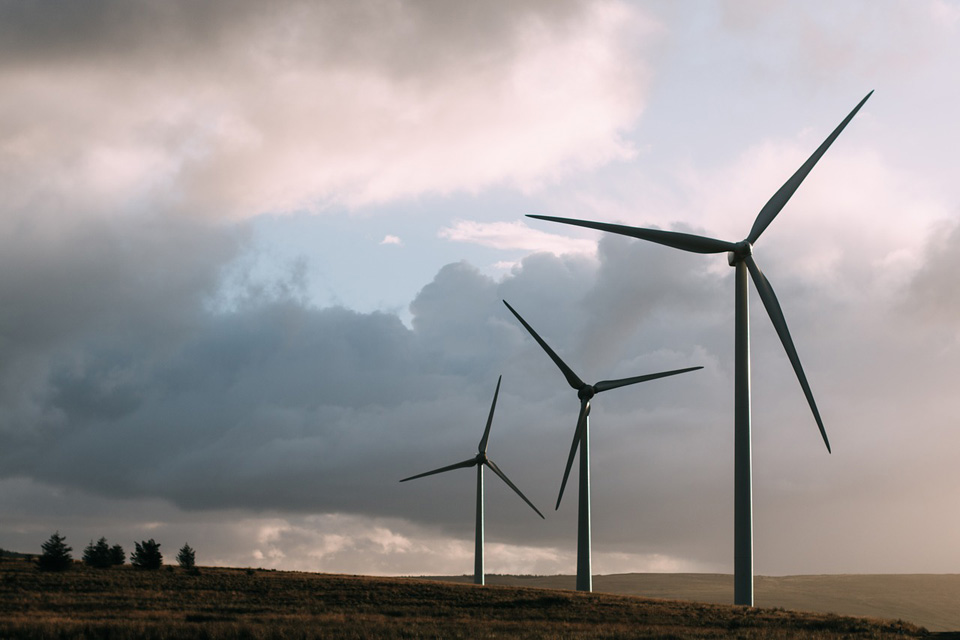
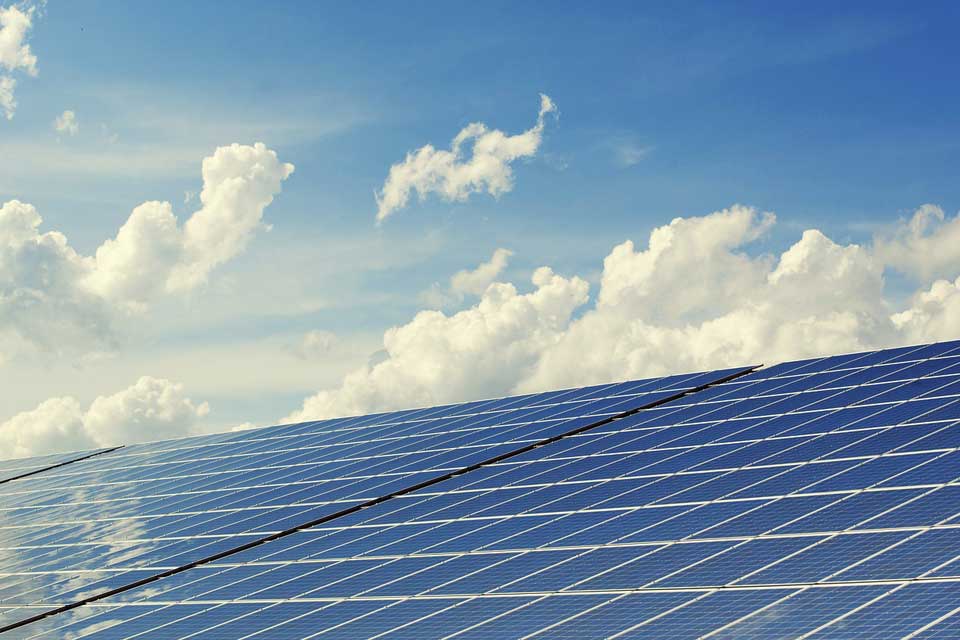
Although hydropower accounted for the largest share of the global total renewable generation capacity with 1 230 GW, IRENA’s Renewable Capacity Statistics 2022 shows that solar and wind continued to dominate new generating capacity. Together, both technologies contributed 88 per cent to the share of all new renewable capacity in 2021. Solar capacity led with 19 per cent increase, followed by wind energy, which increased its generating capacity by 13 per cent.

IRENA Director-General, Francesco La Camera said: “This continued progress is another testament of renewable energy’s resilience. Its strong performance last year represents more opportunities for countries to reap renewables’ multiple socio-economic benefits. However, despite the encouraging global trend, our new World Energy Transitions Outlook shows that the energy transition is far from being fast or widespread enough to avert the dire consequences of climate change.”

“Our current energy crisis also adds to the evidence that the world can no longer rely on fossil fuels to meet its energy demand. Money directed to fossil fuel power plants yields unrewarding results, both for the survival of a nation and the planet. Renewable power should become the norm across the globe. We must mobilise the political will to accelerate the 1.5°C pathway.”

To achieve climate goals, renewables must grow at a faster pace than energy demand. However, many countries have not reached this point yet, despite significantly increasing the use of renewables for electricity generation.

Sixty per cent of the new capacity in 2021 was added in Asia, resulting in a total of 1.46 Terawatt (TW) of renewable capacity by 2021. China was the biggest contributor, adding 121 GW to the continent’s new capacity. Europe and North America—led by the USA—took second and third places respectively, with the former adding 39 GW, and the latter 38 GW. Renewable energy capacity grew by 3.9 per cent in Africa and 3.3 per cent in Central America and the Caribbean. Despite representing steady growth, the pace in both regions is much slower than the global average, indicating the need for stronger international cooperation to optimise electricity markets and drive massive investments in those regions.

Highlights by technology:

  • Hydropower: Growth in hydro increased steadily in 2021 with the commissioning of several large projects delayed through 2021.
  • Wind energy: Wind expansion continued at a lower rate in 2021 compared to 2020 (+93 GW compared to +111 GW last year).
  • Solar energy: With an increase in new capacity in all major world regions in previous years, total global solar capacity has now outgrown wind energy capacity.
  • Bioenergy: Net capacity expansion increased in 2021 (+10.3 GW compared to +9.1 GW in 2020).
  • Geothermal energy: Geothermal capacity had an exceptional growth in 2021, with 1.6 GW added.
  • Off-grid electricity: Off-grid capacity grew by 466 MW in 2021 (+4%) to reach 11.2 GW.

Please read the full Renewable Capacity Statistics 2022 including the highlights, here.
IRENA reveals latest renewable energy data

Companies in 75 countries actively sourced 465 terawatt hours (TWh) of renewable energy in 2017, an amount close to the overall electricity demand of France, according to a new report from the International Renewable Energy Agency (IRENA).

With the continued decline in the costs of renewables, the report suggests, corporate demand will continue to increase as companies seek to reduce electricity bills, hedge against future price spikes and address sustainability concerns.

Corporate Sourcing of Renewables: Market and Industry Trends, the first global assessment of trends and policies in corporate sourcing of renewables, shows that renewable energy sourcing by private sector companies, made possible with the right policy framework in place, can be a key factor in the world’s pursuit of a sustainable energy transformation in line with the objectives set out in the Paris Agreement.

According to the report, environmental and sustainability concerns, social responsibility and reputation management and economic and financial objectives are the three primary drivers of corporate sourcing.

“Renewable energy sourcing has become a mainstream pillar of business strategy in recent years,” said IRENA Director-General Adnan Z. Amin. “While environmental concerns initiated this growing trend, the strengthening business case and price stability offered by renewables can deliver a competitive advantage to corporations, and support sustainable growth.”

The findings of the report show that half of the over 2,400 large companies analysed are voluntarily and actively procuring or investing in self-generation of renewable electricity for their operations. Of the companies in the study, more than 200 source at least half of their power from renewables. Electricity self-generation is the most common sourcing model, followed by unbundled energy attribute certificates (EACs) and power purchase agreements (PPAs).

“Corporations are responsible for around two-thirds of the world’s total final electricity demand, making them central to, and key actors in, the energy transformation,” continued Mr. Amin. “As governments all over the world recognise this vast potential, the development of policies that foster and encourage corporate sourcing in the electricity sector and beyond will inject additional needed investment in renewable energy.”

The report finds that the corporate sourcing trend is widespread and dynamic, with companies participating in the practice coming from various sectors. By volume, the majority of renewable electricity was consumed in the materials sector while the highest shares of renewable electricity consumption are found in the financial (24 per cent) and information technology (12 per cent) sectors. Countries in Europe and North America continue to account for the bulk of corporate sourcing.

Of the companies analysed in the report, only 17 per cent have a renewable electricity target in place. Three-quarters of those targets will expire before 2020, representing a significant opportunity for corporates to develop new medium to long-term renewable energy strategies and targets that factor in improvements in renewable energy technology and cost declines

The report is a contribution to the Clean Energy Ministerial “Corporate Sourcing of Renewables” campaign, co-led by China, Denmark and Germany and co-ordinated by IRENA.

View and download the Executive Summary of the report here.