phs Compliance Archives - Facilities Management Forum | Forum Events Ltd
Posts Tagged :

phs Compliance

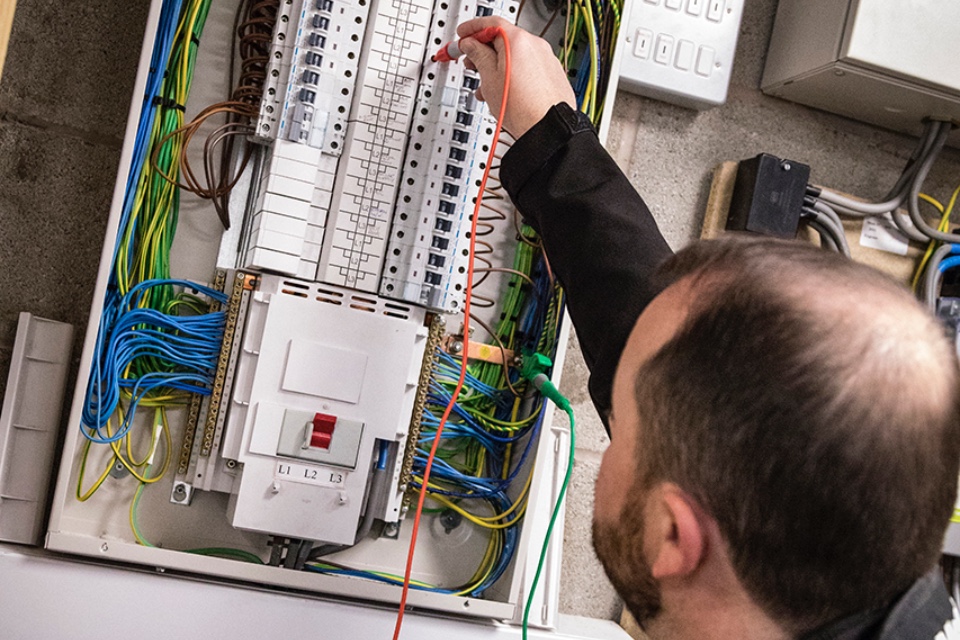
The legal changes in electrical testing every landlord needs to know about

Changes in regulation relating to electrical testing could catch out commercial and private landlords and land them with large fines, says phs Compliance, the UK’s largest provider of electrical safety testing.

In recent years, legislation has not identified a mandatory timeframe for carrying out electrical testing on electrical installations and equipment, instead stating that duty holders must ensure electrical systems are regularly maintained and safe to use, leaving it to them to decide the most appropriate frequency for their tests.

By law, all domestic and commercial landlords must now have an Electrical Installation Condition Report (EICR) completed by a qualified person every 5 years to ensure the safety of their property for tenants. Failure to comply could cost lives and a sizeable fine.

“This applies to all landlords and relates to electrical installations – that is all fixed electrical equipment that is supplied through an electricity meter including cables, accessories, like sockets, switches and light fittings, fuse boxes, circuit breakers and residual current devices,” says Tracy Burtwell, Managing Director of phs Compliance.

“The changes have not been widely publicised, so there is the danger that many landlords are not aware of them and are unintentionally breaking the law.”

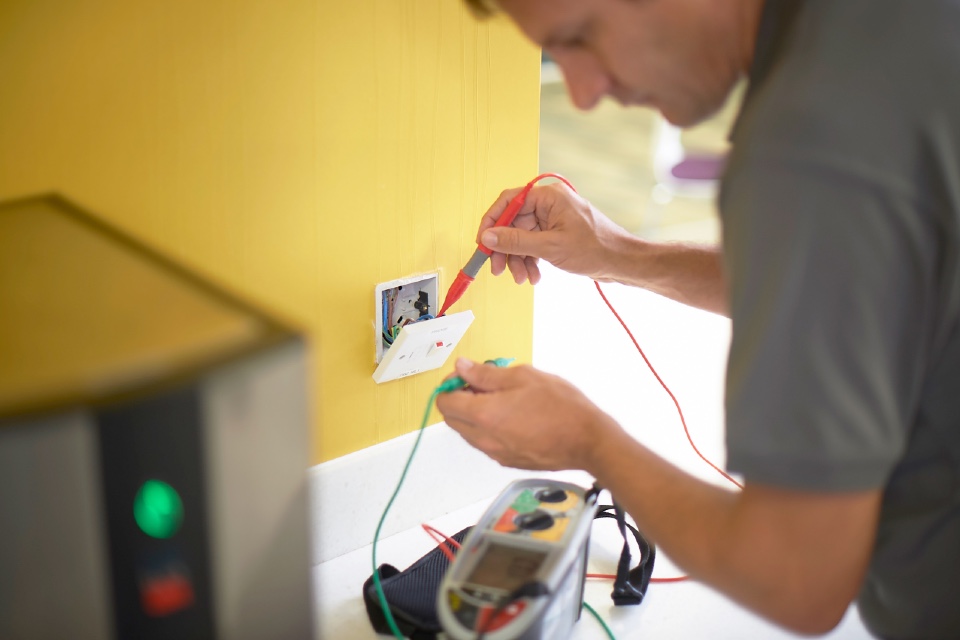
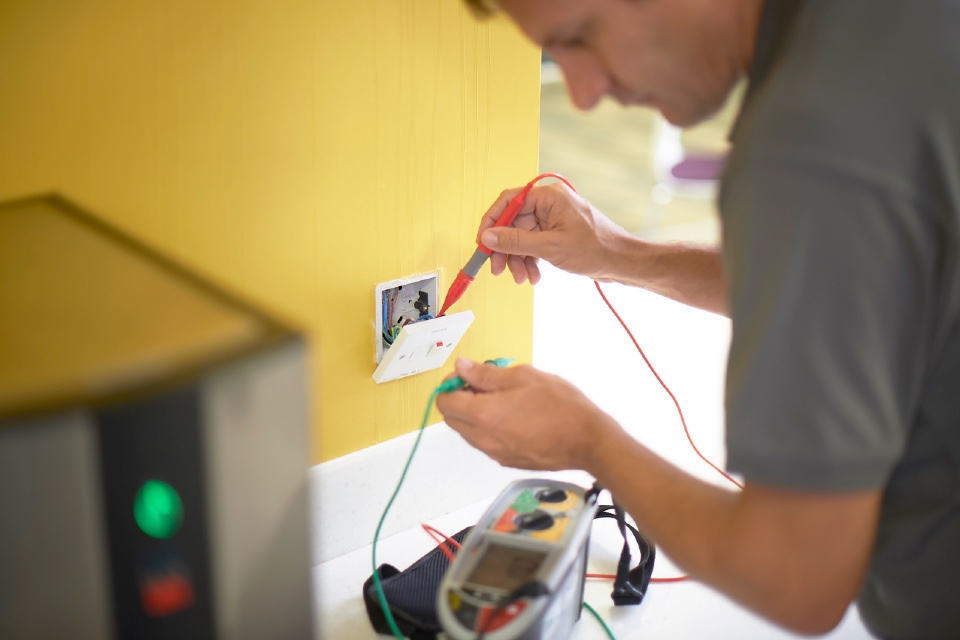
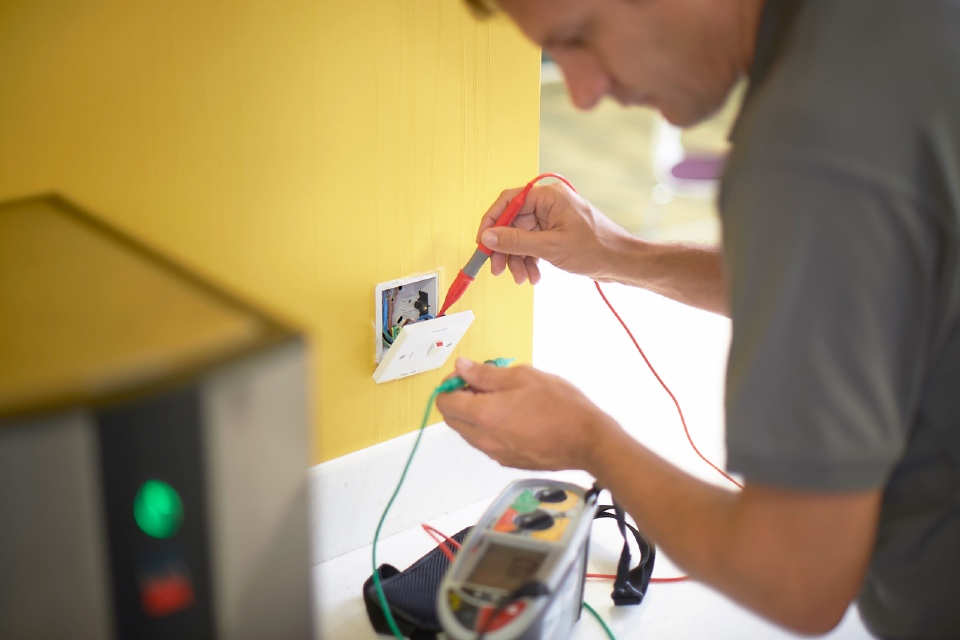
An EICR is produced following an assessment of an electrical installation in a building. This assessment inspects the installation, checks components for wear and tear and looks for faulty wiring and anything that could pose a risk. The results are recorded in an EICR and any unsatisfactory outcomes must be fixed and made safe before a satisfactory EICR is achieved.

“The law states that an EICR, which is also called a fixed wire test, must be carried out by a qualified person so we urge businesses to get in touch with us to ensure they are compliant,” says Tracy.

“Although the regulations stipulate a mandatory five year inspection, businesses may need an EICR more frequently in order to ensure they are meeting their health and safety obligations.

“As a guide, most offices, retail spaces, schools or care homes require less frequent testing – usually once every five years.

“However, a higher risk environment, like a swimming pool (exposed to high levels of moisture) or an industrial unit (with high dust levels), would require more frequent testing to ensure safety- usually every year.

“You should always consult a qualified professional to discuss the frequency of your electrical testing to ensure everyone’s safety.”

phs Compliance is an expert in commercial EICR inspections services. They are the UK’s largest and most experienced provider of EICR inspections, certifications and electrical safety testing, with a large, nationwide team of highly experienced engineers.  phs Compliance has full regulatory and industry accreditation.

To learn more about phs Compliance’s EICR services or to book an inspection, visit the EICR Services page.
Delaying fixed wire testing could cost businesses thousands

Businesses run the risk of legal cases and thousands of pounds worth of fines for neglecting their fixed wire testing, says one of the UK’s leading compliance companies.

phs Compliance, which provides facilities management and compliance services across the UK, says that many businesses are not keeping up with their requirements to regularly test and inspect their electrical equipment, especially electrical installations that requiring fixed wire testing.

Tracy Burtwell, Managing Director of phs Compliance: “This is a challenging time for many businesses, but if you neglect your basic health and safety obligations you are putting your employees and the business at serious risk.

“The Electricity at Work Regulations 1989 state that all electrical equipment in the workplace must be suitable for use and maintained to ensure it is safe, so if a business cannot demonstrate that they are regularly checking and maintaining equipment, they will land themselves in hot water.

“Fixed wire testing, carried out by a professional, is the best way to ensure compliance and have peace of mind that your equipment is safe to use and that you are protecting your employees. And you can prove it!

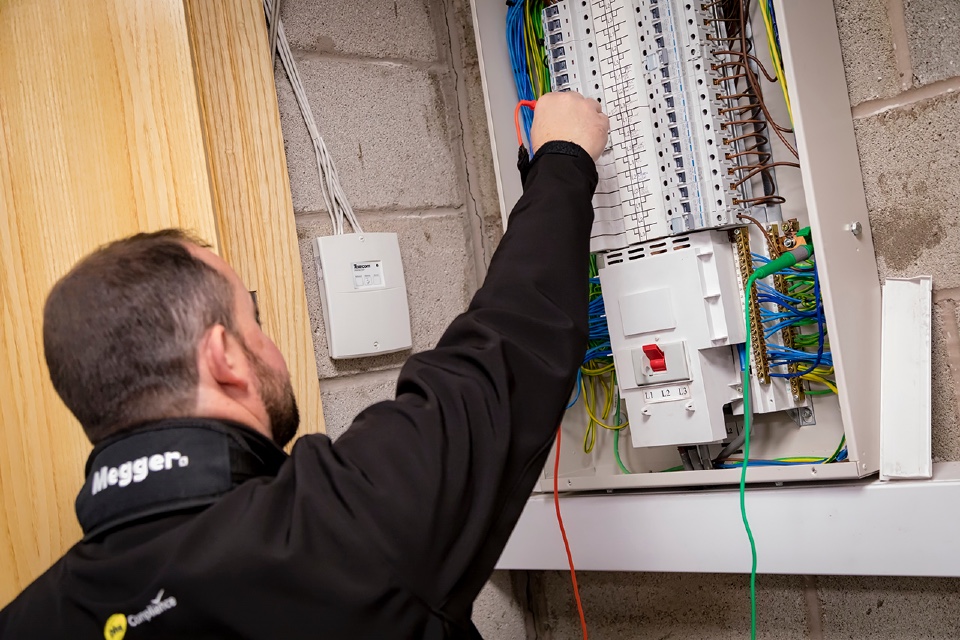
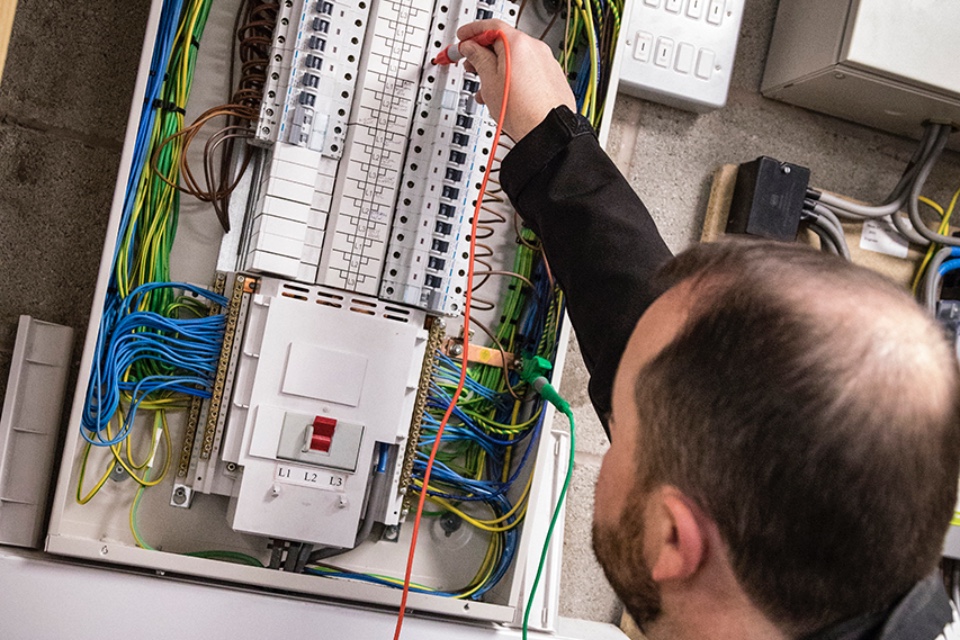
“Fixed wire testing inspects and assesses an electrical installation’s main electrical wiring system to ensure it is safe to use and complies with  the current version of the British Standard BS 7671. It will identify any overloads, hazards or defects that could cause a fire or injury.

“An electrical installation includes any fixed electrical equipment that is supplied through an electricity meter, including main panels, distribution boards, cables, accessories (like sockets, switches and light fittings), circuit breakers, and residual current devices (RCDs).”

“It is recommended that electrical checks are conducted on an annual basis to ensure compliance. The easiest way to remember is to ensure electrical installations form part of your general workplace risk assessments and to schedule tests in advance.

“Most electrical installations require testing every one to five years, depending on the type of electrical installation, how often it is used and the environment it is in. It’s always best to consult an experienced professional like phs Compliance who can advise on your specific workplace and equipment.”

phs Compliance provides a free Guide to Fixed Wire Testing in the workplace on its website.

With over 50 years’ experience, phs Compliance is one of the UK’s leading providers of facilities management and compliance services. As well as electrical, mechanical and fire safety testing and maintenance services, phs Compliance also provides specialist electrical and mechanical project services, including design, supply and installation for everything from power to lighting.

Delaying fixed wire testing could cost businesses thousands

Businesses run the risk of legal cases and thousands of pounds worth of fines for neglecting their fixed wire testing, says one of the UK’s leading compliance companies.

phs Compliance, which provides facilities management and compliance services across the UK, says that many businesses are not keeping up with their requirements to regularly test and inspect their electrical equipment, especially electrical installations that requiring fixed wire testing.

Darren Blackbird, Sales Director for phs Compliance, said: “This is a challenging time for many businesses, but if you neglect your basic health and safety obligations you are putting your employees and the business at serious risk.

“The Electricity at Work Regulations 1989 state that all electrical equipment in the workplace must be suitable for use and maintained to ensure it is safe, so if a business cannot demonstrate that they are regularly checking and maintaining equipment, they will land themselves in hot water.

“Fixed wire testing, carried out by a professional, is the best way to ensure compliance and have peace of mind that your equipment is safe to use and that you are protecting your employees. And you can prove it!

“Fixed wire testing inspects and assesses an electrical installation’s main electrical wiring system to ensure it is safe to use and complies with  the current version of the British Standard BS 7671. It will identify any overloads, hazards or defects that could cause a fire or injury.

“An electrical installation includes any fixed electrical equipment that is supplied through an electricity meter, including main panels, distribution boards, cables, accessories (like sockets, switches and light fittings), circuit breakers, and residual current devices (RCDs).”

“It is recommended that electrical checks are conducted on an annual basis to ensure compliance. The easiest way to remember is to ensure electrical installations form part of your general workplace risk assessments and to schedule tests in advance.

“Most electrical installations require testing every one to five years, depending on the type of electrical installation, how often it is used and the environment it is in. It’s always best to consult an experienced professional like phsCompliance who can advise on your specific workplace and equipment.”

phs Compliance provides a free Guide to Fixed Wire Testing in the workplace on its website.

With over 50 years’ experience, phs Compliance is one of the UK’s leading providers of facilities management and compliance services. As well as electrical, mechanical and fire safety testing and maintenance services, phs Compliance also provides specialist electrical and mechanical project services, including design, supply and installation for everything from power to lighting.

phs launches new bundle range to reduce compliance costs 

phs Compliance has launched a new range of testing bundles to help businesses cut the cost of their electrical and fire safety obligations.  

The Compliance Testing Bundles allow businesses to select from 12 different packages of PAT tests, fixed wire electrical tests and fire safety tests, with some bundles offering savings of up to 40% compared to individual test prices.  

The testing bundles also aim to minimise disruption for businesses by carrying out the different compliance assessments on the same date, ensuring minimal downtime. 

“It’s about helping our customers carry out vital compliance duties in the most efficient and cost-effective way,” said Darren Blackbird, Sales Director for phs Compliance. “We find a lot of businesses have separate companies carrying out their different electrical tests and fire risk assessments, or different times of year for each test, and that is a really expensive way of staying compliant.  

“Our Compliance Testing Bundles combine the key tests required to ensure businesses are meeting the legal obligations – PAT tests, fixed wire electrical tests and fire equipment safety tests. These ensure businesses are fulfilling their duties, which are outlined in the Electricity at Work Regulations 1989 and the relevant health and safety and fire safety regulations, including England and Wales’ Regulatory Reform (Fire Safety) Order 2005. 

“By pulling these tests into packages, we can offer significant savings to our customers, both in terms of price and time. There are 12 different bundles which include electrical testing and emergency lighting, thermal and fire alarm testing and extinguisher testing. They are designed to offer the best deal whatever your business needs.” 

With over 50 years’ experience, phs Compliance is one of the UK’s leading providers of facilities management and compliance services with over 400 engineers across the UK.  

As well as electrical, mechanical and fire safety testing and maintenance services, phs Compliance also provides specialist electrical and mechanical project services, including design, supply and installation for everything from power to lighting. 

phs Compliance offers free advice on key compliance testing on its website. Click to view its PAT Testing Guide, Fixed Wire Testing Guide and its Fire Safety Testing Guide. 

To find out more about the new Compliance Testing Bundles, contact the phs Compliance team. 

Staying compliant: How to navigate hybrid working and electrical testing 

With many businesses now settled into a hybrid working structure, employers are being reminded of their legal obligation to ensure electrical equipment is safe even when being used by workers at home.  

Dan Lee, Managing Director of phs Compliance, one of the UK’s leading providers of facilities management and compliance services, says that many businesses are not ensuring compliance of employees’ home offices alongside equipment in the main office. 

He said: “It’s fairly standard now across many sectors for employees to be spending some of the working week in the office and some at home, but your responsibilities for health and safety don’t end when employees leave the site.  

“Under the Health & Safety at Work Act 1974, employers are responsible for the health, safety and well-being of all employees, whether they work on site or remotely. The Electricity at Work Regulations 1989 also state that all electrical equipment in the workplace must be suitable for use and maintained to ensure it is safe, including any equipment used at home to carry out their job.  

“It’s a difficult situation for businesses. They are still liable if employees injure themselves at home, but mitigating the risks remotely is more challenging. Employees may not understand the risks that electrical equipment like laptops, printers and extension leads can pose, and dangerous practices, like overloading sockets or leaving laptops charging on sofas, can be commonplace.  

“All users of electrical equipment should have some basic training in how to use the equipment safely, as well as what danger signs to be aware of. Users should feel confident in visually checking the equipment regularly for obvious signs of damage, as well as potential risks, such as cables trapped under desks or water hazards. 

“However, the best way to protect your employees, and demonstrate your compliance with legislation, is to carry out regular PAT testing on all electrical equipment, whether on site or used remotely.  

“PAT testing (Portable Appliance Testing) involves an examination of portable electrical equipment and appliances to ensure they are safe to use.  This should be carried out by a competent person with the correct training and equipment. It is strongly recommended to employ an experienced and qualified PAT tester to test equipment every year. 

A great opportunity is for colleagues to bring their equipment back into the office for testing when there is a staff meeting, as several pieces of equipment can be tested in one session to save costs.   

“If you are unsure how to meet your health and safety obligations for electrical testing, phs Compliance can help with advice, guidance and over 400 experienced and trained engineers across the UK ready to start testing wherever you are.” 

Click to view phs Compliance’s free PAT Testing Guide. 

With over 50 years’ experience, phs Compliance is one of the UK’s leading providers of facilities management and compliance services. As well as electrical, mechanical and fire safety testing and maintenance services, phs Compliance also provides specialist electrical and mechanical project services, including design, supply and installation for everything from power to lighting. 

Stay safe in the workplace this Christmas

The countdown to Christmas has begun and, with most festivities cancelled last year, many workplaces will be looking forward to bringing a festive feel to their working environment in 2021. However, it can be easy to forget about health and safety and compliance at this time of year.

Dan Lee, Managing Director of phs Compliance, says putting up Christmas lights and decorations, which are not normally part of the workplace, brings with it new risks and hazards that must be considered first.

“It sounds obvious, but it is surprising how many businesses forget that Christmas lights and decorations need to be considered as part of health and safety and compliance procedures in the workplace.

“After all, Christmas lights are an electrical item and should be treated in the same way as any other electrical item, like kettles or printers, which need to be regularly checked to ensure they are safe to use. It is a legal obligation.  You may want to have them PAT tested before using them, especially if they have been in the back of a cupboard for two years because of the pandemic. The end of the year is a great time to book your PAT testing, so why not incorporate them into the annual PAT test of all your portable electrical appliances and start the new year with some peace-of-mind?

“It is easy to get carried away at Christmas and one of the most common things we see is overloaded plugs. Unfortunately, if a plug is over its capacity it could easily start a fire so it’s really important not to take the risk.

“General health and safety matters should be a high priority when putting up decorations in any case. Ensure there are no trip hazards, keep wires tidy and secure, and make sure that decorations don’t block escape routes like fire exits or any safety signage. It’s also important to ensure decorations are safe and secure to avoid fall hazards.

“If in doubt, talk to one of our team and get some advice to ensure you are staying compliant this Christmas.”

phs Compliance is one of the UK’s leading providers of workplace compliance and building engineering services, offering everything businesses need to stay safe and compliant.

Fully accredited by all leading industry regulatory bodies, phs Compliance has the largest team of specialist statutory testing operators in the industry. It provides statutory electrical services including testing (including PAT tests and fixed electrical testing), inspection services, maintenance, and remedial work. As the UK’s leading provider of electrical testing with nationwide coverage, phs Compliance ensures workplaces of all sizes stay safe and compliant. It is part of the phs Group.

phs Compliance also offers a comprehensive project design, installation, commissioning and maintenance service for fire and security systems.

Accredited to the highest standards, phs Compliance offers significant experience, technical expertise and nationwide capability to support customers’ capital expenditure project needs for fire systems and security systems.

phs Compliance also offers expert project management services, including the design, supply and installation of everything from power and lighting to electric vehicle charging points.

With over 400 engineers across the UK, phs Compliance delivers more than 14 million compliance inspections for 35,000 customer sites nationwide every year.

www.phscompliance.co.uk

5 Minutes With… Dan Lee, Managing Director at phs Compliance

In the latest instalment of our FM industry executive interview series we spoke to Dan Lee (picture above, far right), Managing Director at phs Compliance, about the company, the ongoing effects of the pandemic, increased post-lockdown demand for FM services, automation and why having a wellbeing strategy is important…

Tell us about your company, products and services.

phs Compliance is one of the UK’s leading providers of workplace compliance and building engineering services, offering everything businesses need to stay safe and compliant.

Fully accredited by all leading industry regulatory bodies, phs Compliance has the largest team of specialist statutory testing operators in the industry. It provides statutory electrical services including testing (including PAT tests and fixed electrical testing), inspection services, maintenance, and remedial work. As the UK’s leading provider of electrical testing with nationwide coverage, phs Compliance ensures workplaces of all sizes stay safe and compliant. It is part of the phs Group.

phs Compliance also offers a comprehensive project design, installation, commissioning and maintenance service for fire and security systems.

Accredited to the highest standards, phs Compliance offers significant experience, technical expertise and nationwide capability to support customers’ capital expenditure project needs for fire systems and security systems.

phs Compliance also offers expert project management services, including the design, supply and installation of everything from power and lighting to electric vehicle charging points.

With over 400 engineers across the UK, phs Compliance delivers more than 14 million compliance inspections for 35,000 customer sites nationwide every year.

What have been the biggest challenges the FM industry has faced over the past 12 months?

The uncertainty around the pandemic has been a big challenge. The different lockdowns, lower occupancy rates in buildings and the work from home orders have forced the FM industry to relook at almost every factor in the built environment to find new strategies.

And what have been the biggest opportunities?

We have been able to build even closer relationships with current and new customers as we help them navigate their way through these challenging times. Our business critical services have really supported customers and helped them to meet their regulatory requirements and stay compliant.

What are the main trends you are expecting to see in the market in 2021/22? 

As businesses continue to reopen, we are seeing an increased demand for services that may not have been able to be carried out during lockdowns. This will undoubtedly bring some challenges given the current labour market, but we are confident that with strong account management and clear communication, we can work closely with our customers to ensure full compliance.

What technology is going to have the biggest impact on the market this year?

I would definitely say automation. We are always looking for ways to improve our customers experience and our visibility.

In 2022 we’ll all be talking about…?

The economic outlook.

You go to the bar at the Facilities Management Summit – what’s your tipple of choice?

A pint of lager followed by a bottle of red wine!

What’s the most exciting thing about your job?

I’d say it’s the people I work with every day – those in the field, back office and all of the support teams. The loyalty and dedication I saw during the pandemic was exceptional.

I was also particularly pleased to see our communication and wellbeing strategy recognised as outstanding in a recent engagement survey.

And what’s the most challenging?

It has to be the current labour challenges and the recruitment of skilled electrical engineers to support our exciting growth plans.

What’s the best piece of advice you’ve ever been given?

You have 2 ears and 1 mouth for a reason; use them wisely…

Don’t neglect electrical testing for home workers

Businesses are being reminded of their legal obligation to ensure electrical equipment is safe to use at all times, even when being used by workers at home.

It comes as Dan Lee, Managing Director of phs Compliance, one of the UK’s leading providers of facilities management and compliance services, warns that many businesses are potentially not ensuring full compliance as staff continue to work from home.

He said: “The pandemic brought with it many challenges, including the concept of working from home for the first time for many businesses. Unfortunately, in the rush to get employees set up at home, many may have neglected to consider how they would continue to fulfil their legal health and safety obligations as staff worked remotely and clearly continue to do so.

“Under the Health & Safety at Work Act 1974, employers are responsible for the health, safety and well-being of all employees, whether they work on site or remotely. The Electricity at Work Regulations 1989 also states that all electrical equipment in the workplace must be suitable for use and maintained to ensure it is safe, including any equipment used at home to carry out their job.

“It’s a difficult situation for businesses. They are still liable if employees injure themselves at home, but mitigating the risks remotely is more challenging. Employees may not understand the risks that electrical equipment like laptops, printers and extension leads can pose, and dangerous practices like overloading sockets or leaving laptops charging on sofas can be commonplace.

“All users of electrical equipment should have some basic training in how to use the equipment safely, as well as what danger signs to be aware of. Users should feel confident in visually checking the equipment regularly for obvious signs of damage, as well as potential risks, such as cables trapped under desks or water hazards.

“However, the best way to protect your employees, and demonstrate your compliance with legislation, is to carry out regular PAT testing on all electrical equipment, whether on site or used remotely.

“PAT testing (Portable Appliance Testing) involves an examination of portable electrical equipment and appliances to ensure they are safe to use.  This should only be carried out by a competent person with the correct training and equipment. It is strongly recommended to employ an experienced and qualified PAT tester to test equipment every year.

“PAT engineers can be dispatched to employee’s homes to carry out the tests there, or employees can bring their equipment back into the office for testing. This may be a good option if there was a staff meeting, for example, as several pieces of equipment can be tested in one session.

“If you are unsure how to meet your health and safety obligations for electrical testing, phs Compliance can help with advice, guidance and over 400 experienced and trained engineers across the UK ready to start testing wherever you are.”

Click to view phs Compliance’s free PAT Testing Guide

With over 50 years’ experience, phs Compliance is one of the UK’s leading providers of facilities management and compliance services. As well as electrical, mechanical and fire safety testing and maintenance services, phsCompliance also provides specialist electrical and mechanical project services, including design, supply and installation for everything from power to lighting.

Industry Spotlight: phs Compliance

phs Compliance is one of the UK’s leading providers of workplace compliance and building engineering services, offering everything businesses need to stay safe and compliant.

Fully accredited by all leading industry regulatory bodies, phs Compliance has the largest team of specialist statutory testing operators in the industry. It provides statutory electrical services including testing (including PAT tests and fixed electrical testing), inspection services, maintenance, and remedial work. As the UK’s leading provider of electrical testing with nationwide coverage, phs Compliance ensures workplaces of all sizes stay safe and compliant.

phs Compliance also offers a comprehensive project design, installation, commissioning and maintenance service for fire and security systems.

Accredited to the highest standards, phs Compliance offers significant experience, technical expertise and nationwide capability to support customers’ capital expenditure project needs for fire systems and security systems.

phs Compliance also offers expert project management services, including the design, supply and installation of everything from power and lighting to electric vehicle charging points.

With over 400 engineers across the UK, phs Compliance delivers more than 14 million compliance inspections for 35,000 customer sites nationwide every year.

The experienced and professional team pride themselves on delivering their services to the highest standards at times convenient to our customers.

www.phscompliance.co.uk

Getting the facts straight about electrical testing

“Electrical testing is something that every single business has to do, regardless of current restrictions, but there is a lot of conflicting information about what electrical items need to be tested, and how often,” says Darren Blackbird, Sales Director at leading electrical testing and maintenance provider phs Compliance.

“The advice does not always take into account different types of business environments either, making it all the harder to ensure compliance.

“The Electricity at Work Regulations 1989 state that all electrical equipment in the workplace must be suitable for use and maintained to ensure it is safe. However, it does not specify how equipment should be maintained, how often it needs attention or who should carry out any maintenance, often leaving a question mark hanging over this important issue.

“Adding to the confusion is the misconception that you can simply delay or push back electrical testing because of the current pandemic, and that is leaving many businesses vulnerable. No-one wants to put their employees, their job or their business at risk.

“Generally, regular PAT testing and fixed wire testing are recommended by the experts as the best way to feel confident that you are meeting your legal obligations.

“PAT testing applies to portable electrical items, such as kettles, drills, laptops and computers, and fixed wire testing is relevant to fixed electrical installations, such as lighting or heating systems.

“The responsibility is placed on the duty holder to assess the risk level and decide on the frequency of inspections. This is usually determined by the type of equipment, how often it is being used and whether the working environment is considered high risk or low risk. Good practice is an annual test.

“For example, a drill used multiple times every day on a construction site will need more frequent inspections than a vacuum cleaner in a holiday let.

“Within BS 7671 it is recommended that electrical installations are tested everyone to five years, however this is dependant on the type of electrical installation, how often it is used and whether it’s in a low or high-risk environment. These frequencies are the maximum recommended, but again it is at the discretion of the duty holder and should depend on the type of electrical installation, how often it is used and whether it’s in a low or high-risk environment.

“Most offices require less frequent testing – once every five years, for example. However, a higher risk environment, like a swimming pool, which would be exposed to high levels of moisture, or an industrial unit with high dust levels, would require more frequent testing to ensure safety. This would more likely be everyone year for swimming pools and three years for industrial sites.

“It can be a minefield, which is why many businesses turn to a professional to ensure their equipment is correctly maintained. With expert advice, guidance and testing, they can feel confident that they are compliant.”

Click to view phs Compliance’s free PAT Testing Guide or Fixed Wire Testing Guide for further information.

With over 50 years’ experience, phs Compliance is one of the UK’s leading providers of facilities management and compliance services with over 400 engineers across the UK. As well as electrical, mechanical and fire safety testing and maintenance services, phs Compliance also provides specialist electrical and mechanical project services, including design, supply and installation for everything from power to lighting.

  • 1
  • 2