phs Archives - Facilities Management Forum | Forum Events Ltd
Posts Tagged :

phs

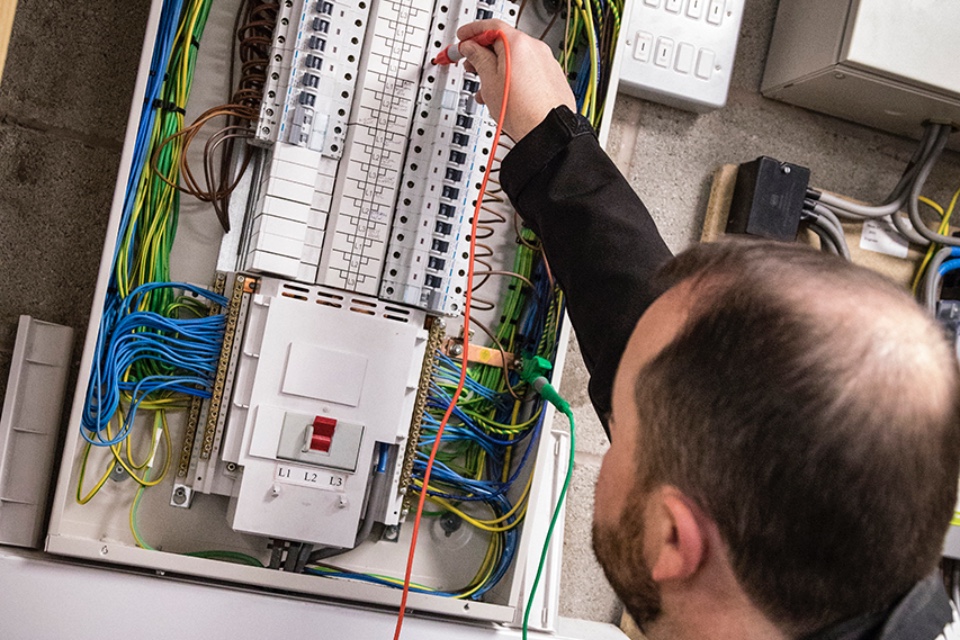
Delaying fixed wire testing could cost businesses thousands

Businesses run the risk of legal cases and thousands of pounds worth of fines for neglecting their fixed wire testing, says one of the UK’s leading compliance companies.

phs Compliance, which provides facilities management and compliance services across the UK, says that many businesses are not keeping up with their requirements to regularly test and inspect their electrical equipment, especially electrical installations that requiring fixed wire testing.

Darren Blackbird, Sales Director for phs Compliance, said: “This is a challenging time for many businesses, but if you neglect your basic health and safety obligations you are putting your employees and the business at serious risk.

“The Electricity at Work Regulations 1989 state that all electrical equipment in the workplace must be suitable for use and maintained to ensure it is safe, so if a business cannot demonstrate that they are regularly checking and maintaining equipment, they will land themselves in hot water.

“Fixed wire testing, carried out by a professional, is the best way to ensure compliance and have peace of mind that your equipment is safe to use and that you are protecting your employees. And you can prove it!

“Fixed wire testing inspects and assesses an electrical installation’s main electrical wiring system to ensure it is safe to use and complies with  the current version of the British Standard BS 7671. It will identify any overloads, hazards or defects that could cause a fire or injury.

“An electrical installation includes any fixed electrical equipment that is supplied through an electricity meter, including main panels, distribution boards, cables, accessories (like sockets, switches and light fittings), circuit breakers, and residual current devices (RCDs).”

“It is recommended that electrical checks are conducted on an annual basis to ensure compliance. The easiest way to remember is to ensure electrical installations form part of your general workplace risk assessments and to schedule tests in advance.

“Most electrical installations require testing every one to five years, depending on the type of electrical installation, how often it is used and the environment it is in. It’s always best to consult an experienced professional like phsCompliance who can advise on your specific workplace and equipment.”

phs Compliance provides a free Guide to Fixed Wire Testing in the workplace on its website.

With over 50 years’ experience, phs Compliance is one of the UK’s leading providers of facilities management and compliance services. As well as electrical, mechanical and fire safety testing and maintenance services, phs Compliance also provides specialist electrical and mechanical project services, including design, supply and installation for everything from power to lighting.
phs launches new bundle range to reduce compliance costs 

phs Compliance has launched a new range of testing bundles to help businesses cut the cost of their electrical and fire safety obligations.  

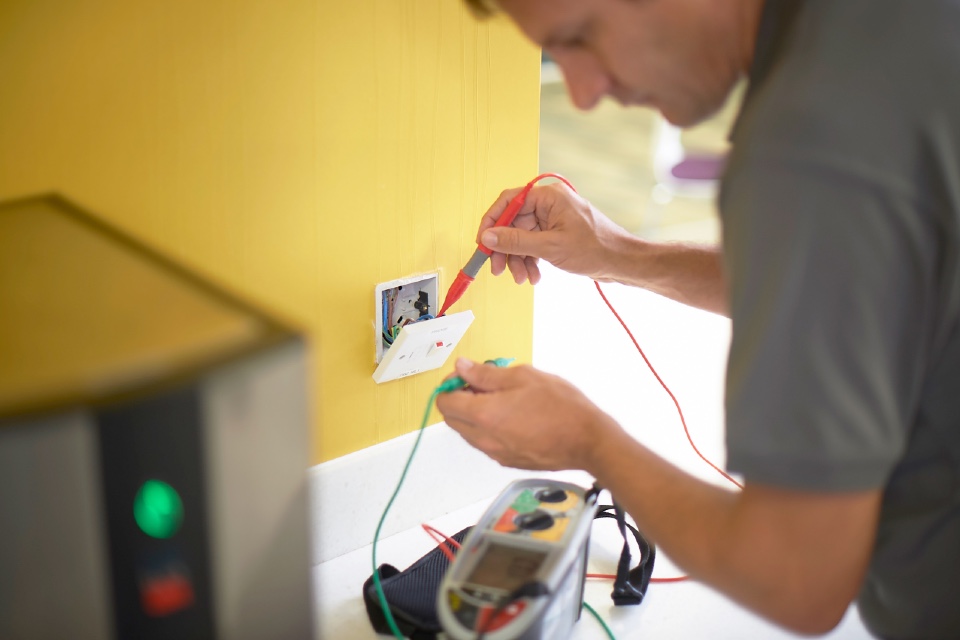
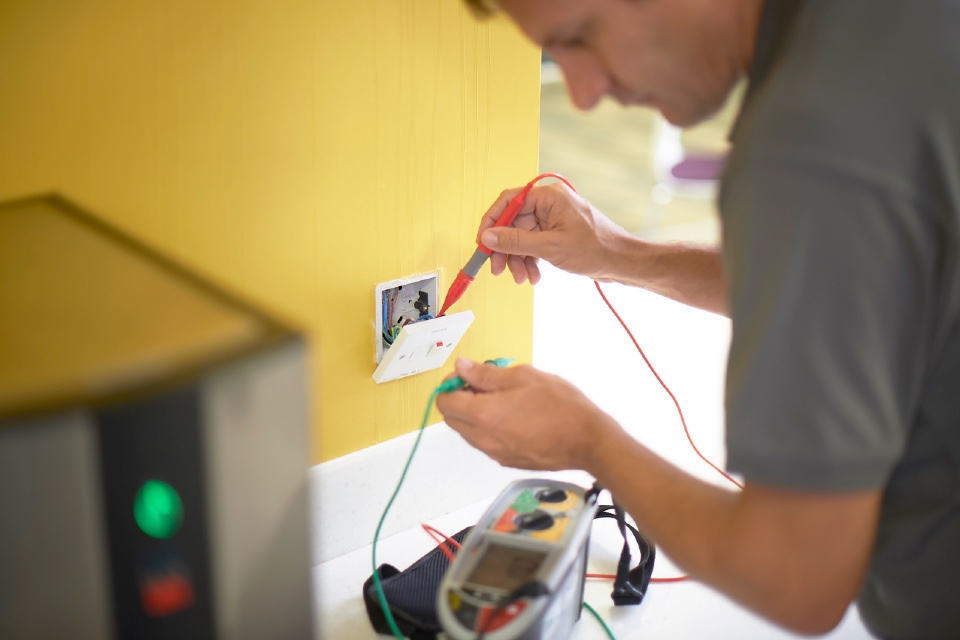
The Compliance Testing Bundles allow businesses to select from 12 different packages of PAT tests, fixed wire electrical tests and fire safety tests, with some bundles offering savings of up to 40% compared to individual test prices.  

The testing bundles also aim to minimise disruption for businesses by carrying out the different compliance assessments on the same date, ensuring minimal downtime. 

“It’s about helping our customers carry out vital compliance duties in the most efficient and cost-effective way,” said Darren Blackbird, Sales Director for phs Compliance. “We find a lot of businesses have separate companies carrying out their different electrical tests and fire risk assessments, or different times of year for each test, and that is a really expensive way of staying compliant.  

“Our Compliance Testing Bundles combine the key tests required to ensure businesses are meeting the legal obligations – PAT tests, fixed wire electrical tests and fire equipment safety tests. These ensure businesses are fulfilling their duties, which are outlined in the Electricity at Work Regulations 1989 and the relevant health and safety and fire safety regulations, including England and Wales’ Regulatory Reform (Fire Safety) Order 2005. 

“By pulling these tests into packages, we can offer significant savings to our customers, both in terms of price and time. There are 12 different bundles which include electrical testing and emergency lighting, thermal and fire alarm testing and extinguisher testing. They are designed to offer the best deal whatever your business needs.” 

With over 50 years’ experience, phs Compliance is one of the UK’s leading providers of facilities management and compliance services with over 400 engineers across the UK.  

As well as electrical, mechanical and fire safety testing and maintenance services, phs Compliance also provides specialist electrical and mechanical project services, including design, supply and installation for everything from power to lighting. 

phs Compliance offers free advice on key compliance testing on its website. Click to view its PAT Testing Guide, Fixed Wire Testing Guide and its Fire Safety Testing Guide. 

To find out more about the new Compliance Testing Bundles, contact the phs Compliance team. 

Staying compliant: How to navigate hybrid working and electrical testing 

With many businesses now settled into a hybrid working structure, employers are being reminded of their legal obligation to ensure electrical equipment is safe even when being used by workers at home.  

Dan Lee, Managing Director of phs Compliance, one of the UK’s leading providers of facilities management and compliance services, says that many businesses are not ensuring compliance of employees’ home offices alongside equipment in the main office. 

He said: “It’s fairly standard now across many sectors for employees to be spending some of the working week in the office and some at home, but your responsibilities for health and safety don’t end when employees leave the site.  

“Under the Health & Safety at Work Act 1974, employers are responsible for the health, safety and well-being of all employees, whether they work on site or remotely. The Electricity at Work Regulations 1989 also state that all electrical equipment in the workplace must be suitable for use and maintained to ensure it is safe, including any equipment used at home to carry out their job.  

“It’s a difficult situation for businesses. They are still liable if employees injure themselves at home, but mitigating the risks remotely is more challenging. Employees may not understand the risks that electrical equipment like laptops, printers and extension leads can pose, and dangerous practices, like overloading sockets or leaving laptops charging on sofas, can be commonplace.  

“All users of electrical equipment should have some basic training in how to use the equipment safely, as well as what danger signs to be aware of. Users should feel confident in visually checking the equipment regularly for obvious signs of damage, as well as potential risks, such as cables trapped under desks or water hazards. 

“However, the best way to protect your employees, and demonstrate your compliance with legislation, is to carry out regular PAT testing on all electrical equipment, whether on site or used remotely.  

“PAT testing (Portable Appliance Testing) involves an examination of portable electrical equipment and appliances to ensure they are safe to use.  This should be carried out by a competent person with the correct training and equipment. It is strongly recommended to employ an experienced and qualified PAT tester to test equipment every year. 

A great opportunity is for colleagues to bring their equipment back into the office for testing when there is a staff meeting, as several pieces of equipment can be tested in one session to save costs.   

“If you are unsure how to meet your health and safety obligations for electrical testing, phs Compliance can help with advice, guidance and over 400 experienced and trained engineers across the UK ready to start testing wherever you are.” 

Click to view phs Compliance’s free PAT Testing Guide. 

With over 50 years’ experience, phs Compliance is one of the UK’s leading providers of facilities management and compliance services. As well as electrical, mechanical and fire safety testing and maintenance services, phs Compliance also provides specialist electrical and mechanical project services, including design, supply and installation for everything from power to lighting. 

Making the move to an electric vehicle fleet

Investing in electric vehicles is a big commitment, and with the ban on the sale of petrol and diesel vehicles just a few years away, it is a challenge many businesses now face. However, there is more to think about that just the investment in the vehicles themselves.

Dan Lee, Managing Director of phs Compliance, a leading provider of workplace compliance and building engineering services, says businesses need to ensure they have the right infrastructure in place early on to ensure a smooth transition for their fleet.

“Businesses also need to consider on-going maintenance and their compliance obligations as part of their planning,” he advised.

“A key consideration is your electric vehicle charging points – or EV points.  How many EV points you will need will depend on several factors, including the number of employees or customers, how often your employees need to use their car during the day, the number of off-road parking spaces that are available to you and, of course, budget.

“You’ll also need to think about the type of charging points needed. It’s best to choose charging points that are the most compatible with the widest range of electric vehicles, but this will vary depending on the business and what vehicles you choose. A specialist like phs Compliance can advise you on this.

“Always ensure you use an installer who has been fully approved and accredited by the UK’s Office for Zero Emission Vehicles, also known as the Office for Low Emission Vehicles (OLEV), to install an EV charging point to ensure a safe and compliant service. Like any electrical installation, it requires expertise to install safely.

“And once installation is complete, the ‘duty holder’ is required by law under the Electricity at Work Regulations 1989 to ensure that all EV charging points are safe to use and do not pose any danger to users, just like any other fixed electrical installation.  It is recommended that EV charging stations are tested every year, although more regular testing and inspections may be required if they are heavily used.

“These are all important things to consider as part of the wider strategy. Now is a very good time to plan and start making the investments needed as the government’s Workplace Charging Scheme (WCS) is providing businesses with vouchers that contribute up to 75% of the up-front costs of purchasing and installing electric vehicle charging points – up to the value of £350 per socket for a maximum of 40 sockets – if you use an OLEV approved installer like phs Compliance.”

phs Compliance supports all electrical infrastructure requirements for electric vehicles including the design and installation of EV points and regular maintenance to protect equipment and ensure compliance, with inspections and testing services carried out by experienced and fully qualified engineers across the UK.