Waste Management Archives - Facilities Management Forum | Forum Events Ltd
Posts Tagged :

Waste Management

Understanding Waste Management Laws: A primer for UK-based organisations

In the UK, the responsibility of waste management doesn’t end once you’ve disposed of your waste. Comprehensive legal frameworks exist to ensure that waste is managed in a way that protects both the environment and public health. As a business, understanding these regulations is essential not only for legal compliance but also for promoting sustainable practices. Here’s a concise guide to the laws and regulations governing waste management in the UK…

1. The Duty of Care for Waste (Environmental Protection Act 1990) Every business producing, transporting, or disposing of waste has a ‘duty of care’. This duty involves storing waste safely and securely, ensuring its correct disposal, and providing detailed descriptions of waste for those collecting it. Waste transfer notes, which describe and document the transfer of waste from one entity to another, must be kept for two years.

2. The Waste (England and Wales) Regulations 2011 This regulation necessitates businesses to implement the waste hierarchy principle, prioritising waste management practices based on environmental impact. This hierarchy, listed from most to least preferred, is: prevention, preparation for re-use, recycling, other recovery (e.g., energy recovery), and disposal. By adhering to this, businesses can ensure they’re making environmentally conscious decisions regarding waste.

3. The Hazardous Waste Regulations (2005) If your business produces hazardous waste (like chemicals, batteries, or asbestos), these regulations apply to you. They dictate the need for proper identification, registration, and tracking of hazardous waste. It is also essential to ensure that such waste is only collected and handled by licensed and authorised entities.

4. The Landfill Regulations (2002) These regulations dictate the requirements for waste sent to landfill sites. It specifically addresses the pre-treatment of waste and restricts the disposal of certain materials to prevent environmental contamination. As a result, businesses must often segregate waste to ensure that non-compliant items aren’t sent to landfills.

5. The Packaging Waste Regulations (2007) Businesses that have a turnover of more than £2 million and handle more than 50 tonnes of packaging annually must comply with these regulations. It requires such businesses to recover and recycle packaging materials in specific proportions. They must also register and provide data about their packaging waste.

6. The Waste Electrical and Electronic Equipment (WEEE) Regulations (2013) Any business that manufactures, imports, or sells electronic and electrical equipment must comply with the WEEE regulations. They necessitate the funding of the collection and recycling of electronic waste, ensuring that hazardous components don’t harm the environment.

There is significant emphasis on sustainable waste management practices, with stringent laws and regulations in place. As a business, ensuring compliance is not just about fulfilling a legal obligation but also about affirming your commitment to a greener and more sustainable future. Always stay updated with the latest regulations, considering the environment in all business operations.

Are you looking for waste management providers for you business? The FM Forum can help!

Image by Tom from Pixabay

Streamlining Sustainability: Key considerations for FMs when procuring waste management solutions

Responsible waste management is not only an environmental imperative, but a legal requirement. Choosing the right waste management supplier is crucial for businesses aiming to comply with regulations and foster sustainability. Here’s a primer on the key considerations when procuring waste management suppliers for your UK business…

1. Compliance with Regulations: Waste management in the UK is governed by strict regulations. Ensure that the supplier is fully compliant with all relevant laws, such as the Environmental Protection Act and Waste (England and Wales) Regulations.

2. Range of Services: Evaluate the range of services offered. Can the supplier handle all types of waste generated by your business, including hazardous, non-hazardous, recyclable, and general waste? Assessing this upfront ensures a comprehensive solution.

3. Recycling Capabilities: Look for suppliers that emphasise recycling and have the necessary facilities to process recyclable materials. This helps in reducing landfill waste and contributes to your company’s sustainability goals.

4. Waste Disposal Methods: Ask about the supplier’s waste disposal methods. They should align with best practices, focusing on environmentally friendly options like recycling, composting, or energy recovery.

5. Cost Structure: Understand the cost structure, including any hidden fees or charges. A transparent pricing model allows for better budgeting and prevents unexpected costs.

6. Customised Solutions: Every business has unique waste management needs. Opt for suppliers that offer tailored solutions to match your specific requirements.

7. Reporting and Transparency: Regular reporting is essential for tracking waste reduction and compliance with regulations. Ensure that the supplier offers detailed reports on waste collection, disposal, and recycling.

8. Credentials and Certification: Verify the supplier’s credentials and certifications. Look for accreditations such as ISO 14001, which indicates adherence to international environmental management standards.

9. Reputation and Reliability: Investigate the supplier’s reputation in the industry. Client testimonials, case studies, and references can provide insights into their reliability and quality of service.

10. Equipment and Technology: Assess the equipment and technology utilised by the supplier. Modern, well-maintained equipment ensures efficient waste collection and processing.

11. Customer Support: Responsive customer support is vital for addressing queries, resolving issues, and ensuring smooth operations. Look for suppliers that provide strong support through various channels.

12. Sustainability and Corporate Social Responsibility (CSR): Aligning with a supplier that shares your business’s values on sustainability and CSR can enhance your brand image. Ask about their environmental policies and contributions to community sustainability initiatives.

Procuring waste management suppliers involves careful evaluation of various factors that go beyond mere waste collection and disposal. By considering compliance, service range, sustainability practices, cost, customisation, transparency, credentials, reliability, technology, and support, you can partner with a supplier that truly aligns with your business’s environmental objectives.

Are you looking for waste management providers for you business? The FM Forum can help!

Do you specialise in Waste Management? We want to hear from you!

Each month on FM Briefing we’re shining the spotlight on a different part of the facilities management market – and in August we’ll be focussing on Waste Management.

It’s all part of our ‘Recommended’ editorial feature, designed to help FM industry buyers find the best products and services available today.

So, if you specialise in Waste Management and would like to be included as part of this exciting new shop window, we’d love to hear from you – for more info, contact Paige Aitken on p.aitken@forumevents.co.uk.

Here’s our full features list:

Aug – Waste Management
Sep – Asset Management
Oct – FM Software
Nov – Intruder & Alarm Systems
Dec – Fire & Safety Equipment
Jan 24 – Health & Safety
Feb 24 – Building Maintenance & Refurbishment
March 24 – Cleaning
Apr 24 – Total FM
May 24 – Energy Management
Jun – Physical Security
July – Air Conditioning


Calls for government to help plug waste & recycling skills and labour shortage

There have been calls for the UK Government to provide additional support to address the ‘rapidly expanding’ skills and labour shortage in the green economy.

Professional body for the UK’s waste and recycling sector, CIWM (the Chartered Institution of Wastes Management), has published its latest report, Beyond Waste: Essential Skills for a Greener Tomorrow, which estimates that existing policy and the more sustainable use of resources will create over 74,200 new roles in the waste and resources sector by 2030.

This figure is set to rise to an aggregate of 240,000 new roles by 2040. To support growth of the sector, which already employs somewhere in the region of 142,800 people across the UK, CIWM has asked Government to provide additional support in three key areas:

Increasing sector attractiveness 
Research conducted indicates that the sector is not often seen as an attractive option for future careers. This is partly due to the perceptions of working with ‘waste’, but also because of a lack of understanding of what the sector delivers and the breadth of roles available. Current careers advice at all levels does not highlight the range of roles available or how important the sector is to delivering the UK’s environmental commitments and economic growth. Government support is required to champion the green credentials of the waste and recycling sector.

Policy acceleration and timeframes 
Clear timeframes for policy implementation will provide much needed confidence and make the sector more investible. Accelerating policy development will also catalyse the transition to a greener economy and CIWM would therefore urge government to consider further investment in policy development and associated regulation.

Creating a Green Skills Fund
New funding must be unlocked to attract people to the sector. Creating a Green Skills Fund would allow government to prime the transition to a more circular economy. The fund could be used flexibly for apprenticeship provision or other approved qualifications as well as training, careers advice and regional hubs of excellence (such as NICER for circular economy).

CIWM’s Professional Services Director, Katie Cockburn, said: “The transition to a greener, more circular economy is not optional if we are to save our planet and unlock the economic and social potential of green growth. The UK waste and recycling sector is central to achieving this aim but, without additional support, we’ll be unable to resource our services with the right people, with the right skills, at the right time. Government funding provided today will mean that the sector is able to unlock its potential as powerhouse of economic growth and green job creation. In doing so, we will ensure that our finite and valuable resources are managed sustainably for the benefit of generations to come.”

A range of different methods were used to collate the necessary evidence, views, and informed estimates contained within Beyond Waste: Essential Skills for a Greener Tomorrow. These approaches included a workforce survey, structured interviews, a wide-ranging literature review and workshop feedback sessions with members of CIWM.

The full report is available here.

Do you specialise in Waste Management services? We want to hear from you!

Each month on FM Briefing we’re shining the spotlight on a different part of the facilities management market – and in August we’ll be focussing on Waste Management.

It’s all part of our ‘Recommended’ editorial feature, designed to help FM industry buyers find the best products and services available today.

So, if you specialise in Waste Management and would like to be included as part of this exciting new shop window, we’d love to hear from you – for more info, contact Paige Aitken on p.aitken@forumevents.co.uk.

Here’s our full features list:

Aug – Waste Management
Sep – Asset Management
Oct – FM Software
Nov – Intruder & Alarm Systems
Dec – Fire & Safety Equipment

Keeping our green spaces clean and safe

The nation fell back in love with its urban green spaces during the Covid pandemic – but, from discarded face masks to the fouling of lockdown puppies, keeping these spaces clean and safe is creating a massive burden for local authorities that simply do not have the funds.

Littering, dog fouling, spitting and public urination are all criminal offences subject to Fixed Penalty Notices (FPN), but inconsistent enforcement across the country over decades has eradicated standards of behaviour and complaints from the public continue to spiral.  Yet small behavioural changes have a big impact: consistent, routine enforcement reduces littering. Awareness changes attitudes. Spaces stay cleaner, safer and more enjoyable for the community.

With growing awareness of the value of these green spaces to physical and mental health, how can local authorities break the cycle of littering and achieve an affordable solution to environmental crime enforcement?

Dyl Kurpil (pictured, above), Managing Director, District Enforcement, explains why outsourcing environmental crime enforcement can not only release a financial burden on local authorities but also achieve behavioural change that delivers tangible community benefits.

Green Space is Essential

The importance of urban green spaces has long been established. The first city park was created in Preston in 1833, swiftly followed by an array of spaces across towns and cities to improve the unhealthy lives of city dwellers. Over the past five decades acknowledgement  of their importance to society, and as a result investment in these spaces, has steadily declined. Until the arrival of a global pandemic, when our parks became the only chance for outside exercise for huge numbers of people.

This uplift in awareness and usage also ties into more recent acceptance of the role of urban green space in improving physical and mental health, contributing to reducing crime and antisocial behaviour, encouraging community cohesion and environmental benefits, including clean air. With growing awareness of the value of rewilding and pollinator friendly habitats, local authorities are combining with voluntary groups to refocus on these vital resources.

Nevertheless, with UK local authorities facing a £3 billion budget deficit as the nation emerges from the pandemic, there is huge pressure on resources. How can a council prioritise clean green spaces? Yet, without proactive intervention littering, dog fouling and public urination will continue to undermine the safety and enjoyment of citizens.

Changing Behaviour

Littering is a criminal offence, although the swathes of litter and dog mess affecting our green spaces suggests that many individuals have no idea that every cigarette butt, piece of chewing gum or apple core they drop is criminal behaviour. People either don’t know or don’t care that if they are caught leaving an entire loaf of bread for the pigeons or the ducks, urinating in public or spitting – both of which pose significant risks to public health – they will be subject to a Fixed Penalty Notice (FPN) of up to £150.

Despite this, as the lack of consistency in issuing FPNs across the UK reveals, this is a difficult service for local authorities to provide both culturally and financially themselves. It is hard to manage and difficult to resource. The resultant ad hoc approach fails to achieve the education and awareness required to achieve behavioural change and, essentially, stop people littering.

The alternative is to outsource environmental compliance, a service that can be cost neutral for councils. Turning to a trusted third party, that is driven by a desire to improve the quality and cleanliness of green spaces, is not just about authorising the outsourcer to issue FPNs in the area. It is about embracing a service that combines compliance with education and awareness to drive behavioural change.

Proactive Community Resource

Changing attitudes is key. Outsourced litter officers are trained to engage with offenders as customers, explaining why they are receiving an FPN or, in some cases, just a warning.  With the right approach from officers, the majority of individuals typically respond with apology, embarrassment or confusion – it is the minority who become defensive, dismissive or, at worse, aggressive. As a result, FPN compliance can be as high as 90%, with few individuals opting to take the case to the Magistrate’s Court where, more often than not, it is the word of a known enforcement officer that is believed.

The underpinning goal is to reduce littering, which is why education and awareness are fundamental tenets of successful enforcement. In addition to local community campaigns and signage, officers also work closely with litter picking volunteers and take part in litter picks. The areas patrolled by officers are also intelligence led, with the routes created based on feedback and complaints from volunteers and general public about incidents of litter and fouling.

In addition, officers will be proactive. If there is a spike in litter from a local fast food provider, for example, the officer will talk to the manager and suggest ways to improve customer behaviour, such as new signage and more bins. Feedback is also provided to the council, raising problems such as inadequate litter disposal options or the need for more frequent bin emptying.

Environmental Determinism

By joining up the entire process and working with the wider community, an outsourced litter enforcement service can not only provide the council with important additional revenue, including a proportion of FPNs issued, which can be reinvested in environmental services, but also drive measurable behavioural change.

Each individual change has a wider effect – the cleaner the space, the more likely people are to find a bin or take their rubbish home. When litter is everywhere, people feel less compunction about their behaviour. With the majority of FPNs issued to first time offenders – with limited numbers of repeat offenders – people’s behaviour changes fast. Each time a council can take a more robust, consistent approach to litter enforcement, overall levels of littering fall – not only in green spaces but everywhere, from the high street onwards.

By creating an environment where accidental or lazy littering is eradicated, the focus can shift towards the serious, repeat offenders – enforcement teams have the time and space to undertake the more complex investigations.

Conclusion

The difficulty for local authorities is making the move and deciding to trust a private sector outsource provider. This is where the attitude of the outsourcer is key. The company needs to be transparent about both processes and cost model. It needs to demonstrate that officers are not incentivised on the number of FPNs they issue, but that the business model stands up based on jointly agreed deliverables. And it needs to be part of the wider process of education, community engagement and taking a proactive approach to achieving behavioural change.

That change is long overdue. For too long the inconsistent strategies adopted by different local authorities have resulted in rising complaints about littering, dog fouling and fly tipping.  Even at the beginning of the COVID-19 pandemic while some local authorities started to enforce FPNs for spitting due to the rapid spread of the virus, the approach was not consistent across the country.

Reliance is on dedicated teams of volunteer litter pickers. If the litter problem can be dealt with before it is dropped, our streets and our green spaces will be cleaner, healthier and more enjoyable for everyone.  And the burden for cleaning and maintaining these invaluable spaces will also reduce. Behavioural change is key – and that can only be achieved through consistent enforcement of the law.

Do you specialise in Asset Management solutions? We want to hear from you!

Each month on FM Briefing we’re shining the spotlight on a different part of the facilities management market – and in September we’ll be focussing on Asset Management solutions.

It’s all part of our ‘Recommended’ editorial feature, designed to help FM industry buyers find the best products and services available today.

So, if you specialise in Asset Management solutions and would like to be included as part of this exciting new shop window, we’d love to hear from you – for more info, contact Paige Aitken on p.aitken@forumevents.co.uk.

Here’s our full features list:

Sep – Asset Management
Oct – FM Software
Nov – Intruder & Alarm Systems
Dec – Fire & Safety Equipment

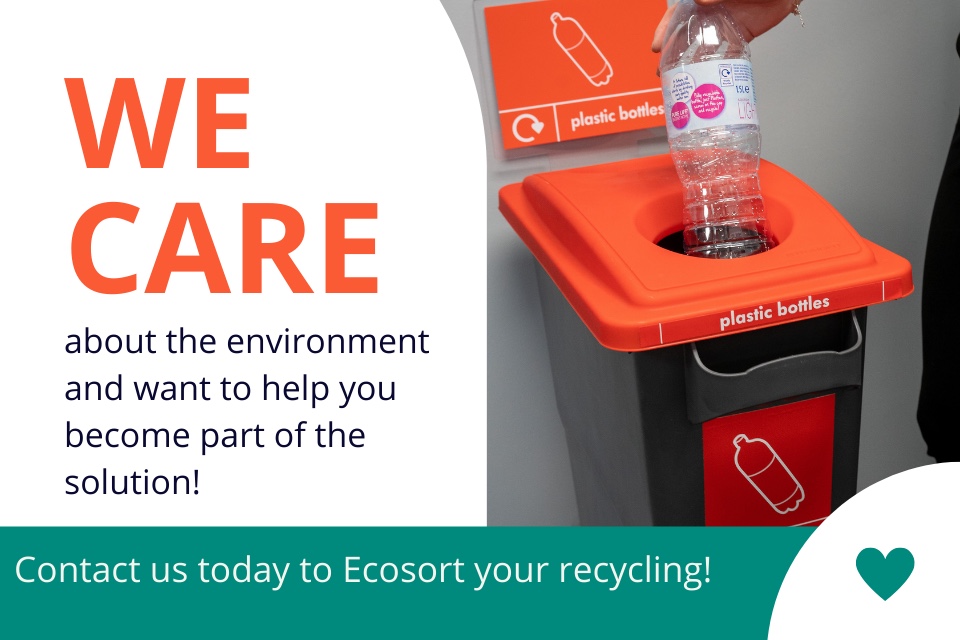
INDUSTRY SPOTLIGHT: IPL Global’s EcoSort Recycling System

By IPL Global

The EcoSort Recycling System provides an aesthetic, flexible, functional, and easy to use solution for collecting recyclable materials in the workplace.

Our EcoSort range includes a 60-Litre Midi and a 70-Litre Maxi, both of which are completely interchangeable and come with a variety of lid options as well as a wide range of colour and graphical options. This versatility allows for the creation of a truly unique and uniquely customised recycling solution to fit any workplace environment.

In our current climate, minimising non-essential contact is critical. COVID-19 and other germs are distributed primarily by droplets produced by coughing, sneezing, talking, and exhaling. Those droplets can then land on nearby objects and can then transfer from surfaces onto your skin.

Therefore, ensuring minimal contact and general hygiene acts are important practice. The EcoSort’s boasts a number of non-touch lid options- making our recycling bin an excellent solution when it comes to not spreading germs.

Click here to learn more.

Do you specialise in Waste Management solutions? We want to hear from you!

Each month on FM Briefing we’re shining the spotlight on a different part of the facilities management market – and in August we’ll be focussing on Waste Management solutions.

It’s all part of our ‘Recommended’ editorial feature, designed to help FM industry buyers find the best products and services available today.

So, if you specialise in Waste Management solutions and would like to be included as part of this exciting new shop window, we’d love to hear from you – for more info, contact Paige Aitken on p.aitken@forumevents.co.uk.

Here’s our full features list:

Aug – Waste Management
Sep – Asset Management
Oct – FM Software
Nov – Intruder & Alarm Systems
Dec – Fire & Safety Equipment

How the uptake of IoT at County Councils is driving efficiencies

Local authorities continue to face mounting pressures from the government on wide-ranging initiatives, from targets on climate change, to improving social care and overhauling waste management – all with budgets squeezed tighter than ever. The past 12 months have seen tremendous interest by local governments in IoT technology solution deployments as a mechanism they can use to help meet their aggressive budget and social goals, achieving scale by addressing multiple use cases at once.

Nick Sacke, head of IoT solutions at Comms365, discusses some of the priority challenges local authorities are facing, and how IoT deployments can be rapidly rolled out and scaled to not just overcome such challenges, but exceed them… 

Healthcare and Assisted Living

There remains a singular challenge within healthcare and assisted living, which is to be able to deliver at scale affordable health and social care for an increasingly ageing and vulnerable population. Technology can be a great enabler of this by helping to automate the mapping of activities into a profile around an individual. By taking regular snapshots of what their day-to-day life is like, when they normally make a cup of tea or get out of bed, this information can be collected and mapped onto a profile, which can then be analysed and shared every day with the care organisation and local authority. This insight helps professionals to detect any potential trends and changes in behaviour that may indicate potential problems in near real-time as and when they arise, in turn, enabling streamlining and scale to operations by intervening earlier and with a targeted focus.

Targeted intervention allows expansion of existing resources, and a rapid return on investment in care-assistive technology. By flagging any issues earlier and preventing the escalation of problems while the individual is at home, the need for them to go to the hospital for check-ups or treatment is mitigated in turn, reducing pressure on the public purse. For example, if sensors detect a person hasn’t got out of bed for a while after they usually would, a carer can be sent to visit them. Without that timely intervention, the individual’s health could have deteriorated, resulting in hospital admission, or even worse. This has now been proven in field trials which have, at the time of writing, saved at least one life.

As well as monitoring the physical wellbeing of the individual, environmental information can also be tracked, including temperature and humidity. If there’s a change in such parameters, it can affect the vulnerable in profound ways. The temperature and humidity in the room needs to be appropriate for each individual need. At a basic level, this gives the patient comfort in knowing their environment is suitable for healing, but also mitigates against further potential issues, such as bacteria, infection and high CO2 levels which may enable a breeding ground for Covid-19 and other infections.

Collecting and analysing behavioural and clinical data can empower caregivers with more meaningful information, enabling them to intervene at the right time and deliver targeted individual care. Future developments in technology are expanding to biometric monitoring by putting sensors on the body to monitor vital signs – from heart rate, to temperature and even the pH of the skin, for those who are unwell to those who have exited the hospital – taking healthcare directly into the home. This provides a mechanism to help the NHS with extending their care beyond the hospital, with another significant return on investment.

Waste Management

It’s well publicised that as a nation, we are still producing far too much waste. The old processes for collecting waste from homes and public places are not efficient enough, leaving councils and third-party contractors with a huge challenge. So how can technology help?

Sensor technology can not only indicate how full a bin is, but it can help in the building of a data profile, in turn, creating an optimally efficient route to collect waste from the right bins, at the right time. These sensors can also detect temperature, to see if somebody has thrown something burning in the container, as well as the bin tipping over or being misplaced. Data profiling will provide not only a more efficient collections schedule, but also identify hotspot areas with potential problems including fly tipping.

Technology is also becoming more efficient at determining different types of waste, especially within underground storage, that can be particularly useful for recycling efforts. By deploying IoT solutions, sensors can check how much glass is in a particular container, by comparing the sonic ‘signature’ via intelligent algorithms for different types of waste materials.

IoT can also help third party contractors plan in advance by knowing how much waste they will be collecting, which has the potential to revolutionise payment models for contractors that are paid by weight. This technology will not only determine when is the best time to collect the bins, but also how much they are collecting by real-time monitoring of waste in the bin lorry itself, which can help the business to forecast revenue.

Parking

With 50,000 fewer shops on UK high streets than a decade ago, and a decline which is continuing, local authorities are looking to alternative initiatives to encourage people back to the high street. If shoppers are looking to travel to physical stores once more, the parking experience should be painless – or else they’ll just return to online shopping.

It’s estimated that motorists spend two months of their lifetime searching for a parking space – what if this could be cut down with the use of technology? What if your phone was to tell you in real-time where a parking space was? And better yet, what if you could reserve this space, or set up a subscription model to park monthly? It’s all about data collection and a better, more informed use of this data. By incorporating electric charging and disabled bays, as well as the use of innovative technology, re-engineered and revitalised parking solutions will drive revenue and provide more efficient and customer-pleasing services.

Lighting, pollution and air quality

Within the UK market, we’re seeing a big push towards creating even smarter lighting installations. The deployment of low energy bulbs has already been completed by many councils, but being able to switch on and off certain sections of the lighting estate depending on the activity can go much further in reducing energy consumption.

To do this, streetlights need to have interfaced ‘smart’ controllers that receive and transmit wireless signals to the lighting unit. The push towards smart lighting will use low power IoT networks to connect the lights, which will be undertaken on a huge scale, as even the smallest councils will enable over 10,000 streetlights. With such a focus on reducing energy consumption to meet national targets, this will soon become a priority.

As we strive towards a greener future, and with heavy regulations coming into play around air quality, there is a need for local authorities to be more proactive and involved in the health of their citizens. By tracking environmental elements such as pollution levels, CO2 concentrations in offices and classrooms and chemical pollutants, environmental monitoring will become a big part of both our indoor and outdoor future.

Conclusion

With consistent technological developments, IoT technology is advancing to meet ever more stringent challenges and requirements. We’re not only seeing an uptake in interest and the use of these solutions, but the actual technology itself is becoming increasingly adaptable, cost-effective, simple to deploy and maintain.

Hyper-efficient, agile, deployment and maintenance models are the prime focus. When an upgrade or fix is required, councils don’t want to remove it all – only a part. This means that as well as becoming more efficient, operational models and processes need to become adaptable, more automated, user-friendly and streamlined. The value of technology is now being understood, but there are now moves to make the design and deployment technology even more user-friendly, creating a better customer experience and collecting valuable data for insight. The guiding principle for deploying technology as an enabler of these more streamlined processes is simplicity and invisibility to the user, to ensure any potential barriers to adoption are removed.

  • 1
  • 2